






Frequently asked questions
What do the A and B letters on a Chisel ombre code mean?
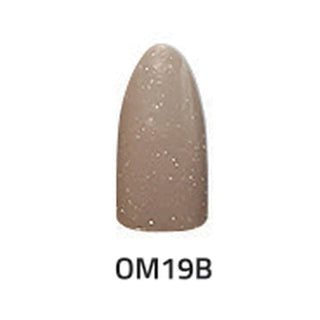
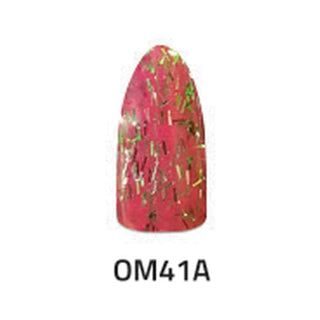
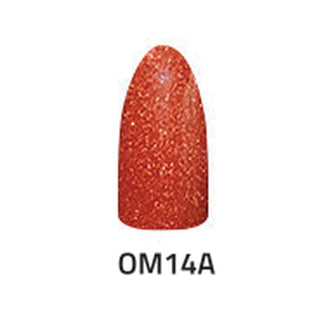
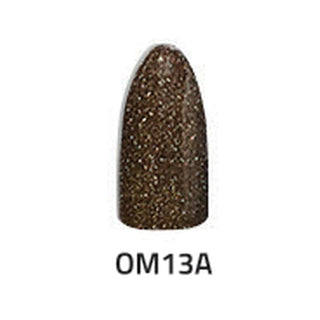
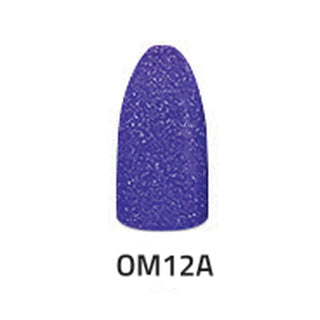
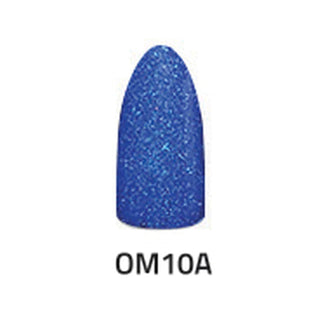
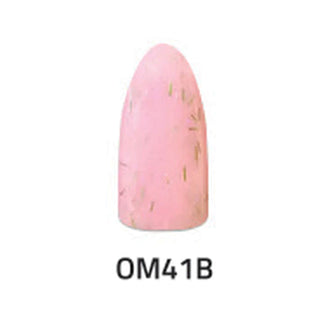
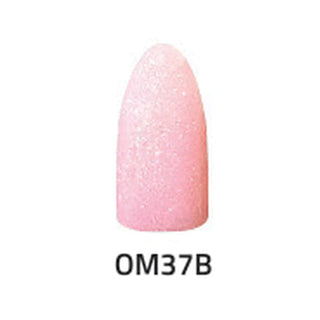
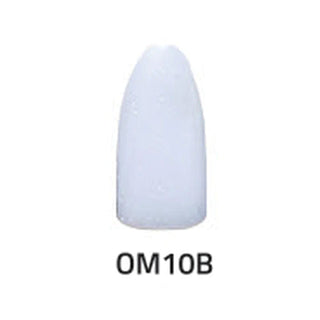
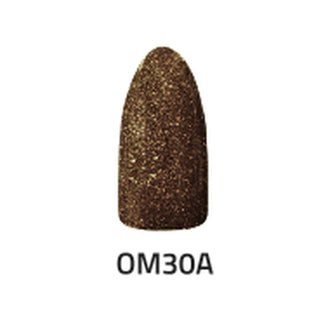
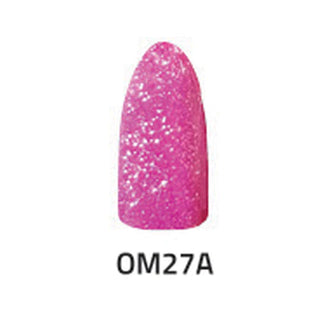
They are the two jars of one ombre pair. The number names the pair and the letters name the halves, which are formulated with the same grind and finish so they blend into each other instead of meeting in a line. The two halves are not always a light and a dark of one color: OM043 runs a deep rose into a pale pink that share a warm shimmer, while OM086 runs a yellow glitter into a green glitter that share flake size. Of the 91 codes on this page, 47 are listed with both halves and 44 with one half.
Can I use a single half on its own?
Yes. Every jar is a complete 2-in-1 acrylic and dipping powder, so a lone A or B half dips and sculpts like any Chisel solid shade. It can also be faded against another jar if the two grinds are close, though a mismatched grind leaves a gritty line at the join. The coded partner is the one guaranteed to blend cleanly, so on a range that is not restocked a salon takes both halves of any pair it plans to offer and treats the single halves as solid colors.
How do I keep the blend from going muddy?
Work the join in the first seconds, while the powder is still loose, with short strokes of a soft dry brush, then stop; blending after the powder begins to grab drags pigment across the whole nail. Base only the section about to be dipped, because a wet base under the second color floats the two powders together. Hold the activator until the join is finished, and shape at a low grit before refining so the file does not cut through the deep half at the tip.
Dip or acrylic for an ombre set?
Dip is faster and needs no lamp, and it suits short to medium nails where the fade sits in the outer third of the plate. Acrylic with EMA monomer on a size 10 to 20 brush is the route for length: the bead is denser than a dipped layer, holds an apex, and takes a client who is hard on her hands. The same jar works either way, which is the point of a 2-in-1 powder, but keep separate jars and brushes for the two stations.
What is in the Chisel ombre collection
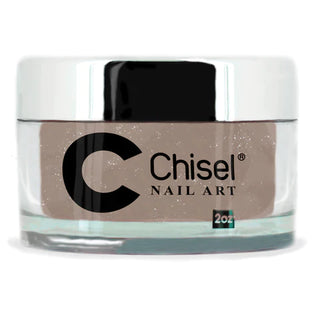
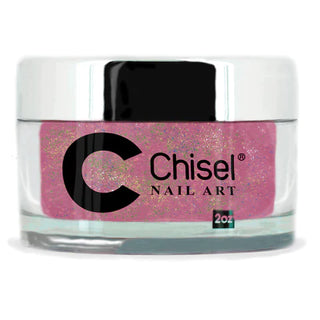
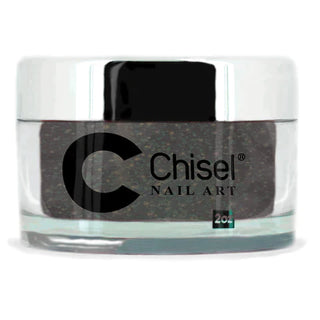
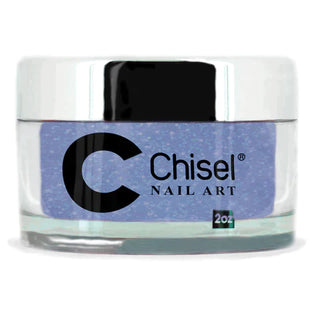
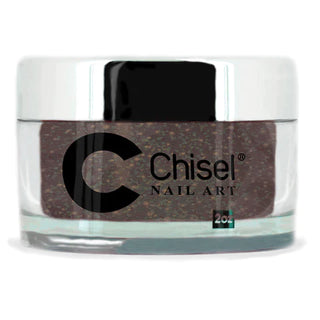
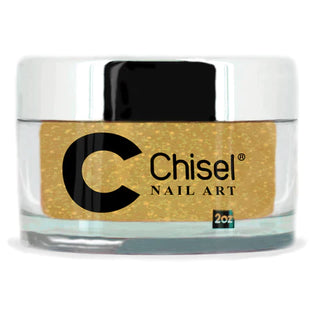
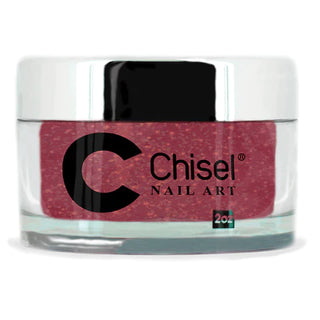
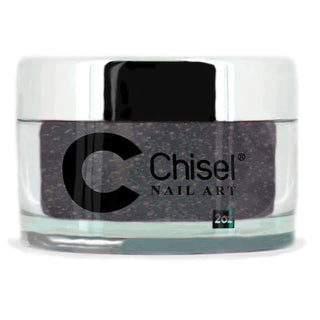
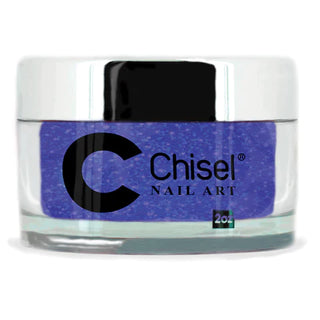
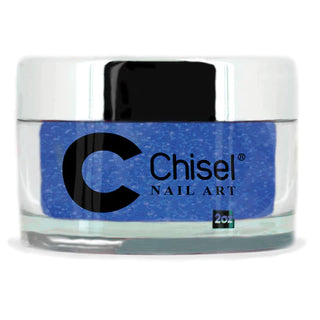
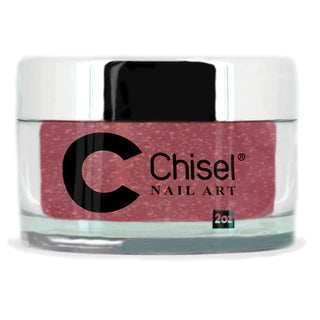
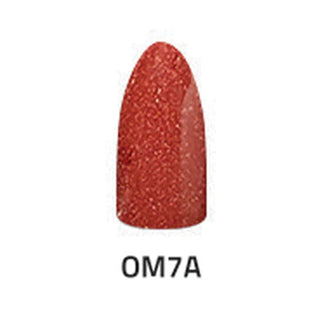
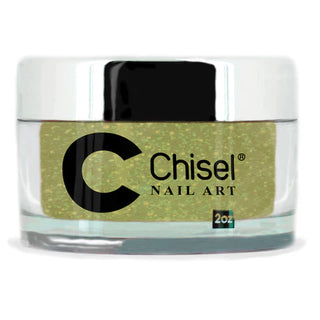
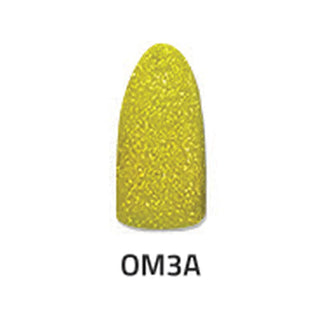
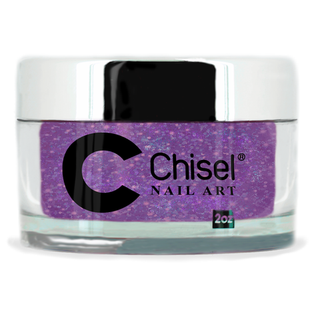
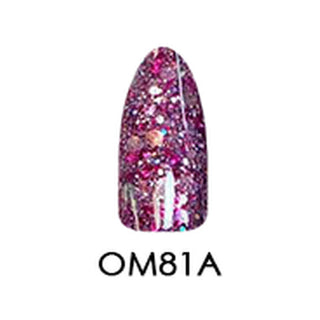
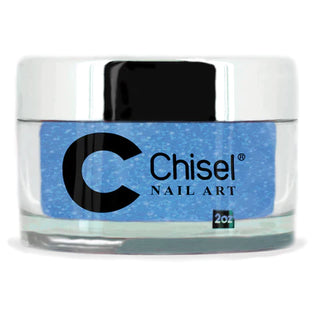
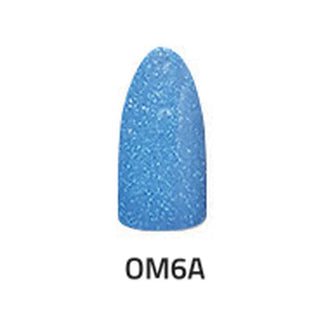
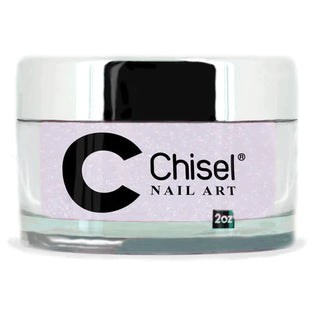
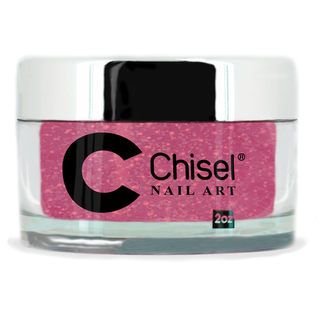
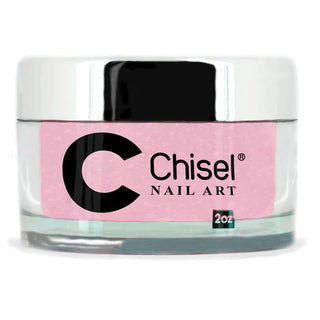
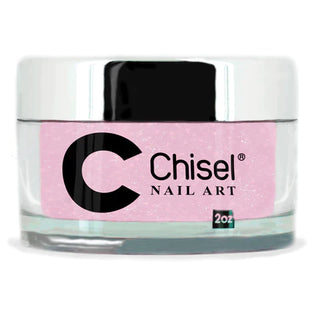
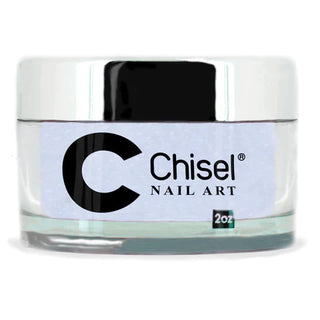
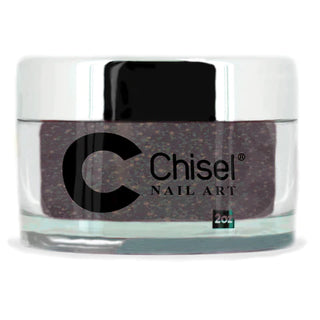
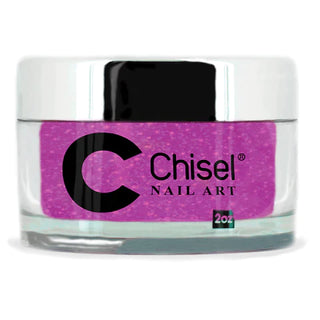
138 jars of Chisel 2-in-1 acrylic and dipping powder, coded OM001 through OM102, every one a 2 oz jar at wholesale. The numbers cover 91 ombre codes: 47 of them are listed with both halves, the A jar and the B jar, and 44 are listed with a single half still in stock. Twenty-five of the 138 are out of stock as this page was written. The whole Chisel range at ND carries the clearance tag, which here means each jar sells at its regular wholesale price until the stock is gone and is not reordered, so a salon that runs fades on Chisel buys pairs while pairs exist.
What the A jar and the B jar actually are
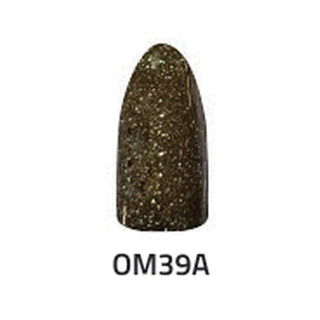
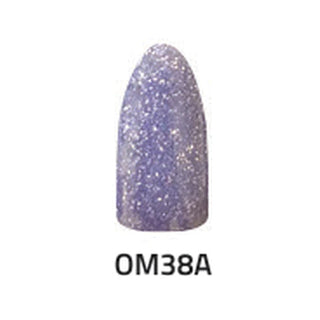
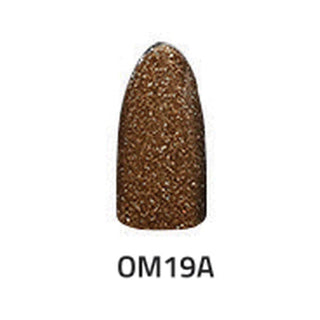
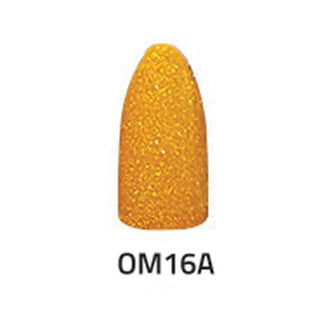
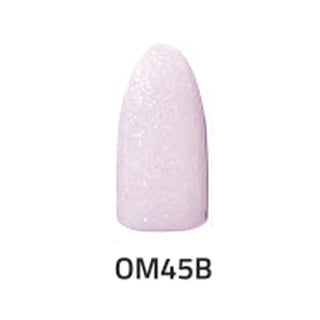
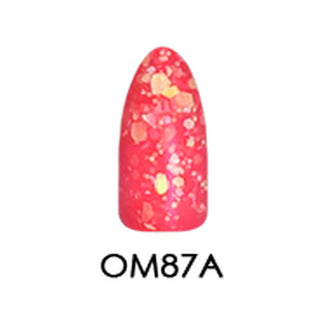
An ombre code names two powders formulated to blend into each other, not one powder in two sizes. The two halves share the grind and the finish, which is the part that makes a fade look like one product instead of two shades fighting on the same nail. What they do not always share is the hue. OM043 pairs a deep rose carrying a warm shimmer with a pale pink carrying the same shimmer, so the fade travels down one family from saturated to soft. OM086 runs a yellow glitter into a green glitter, so the fade crosses hues while the flake size and density stay constant. Both blend cleanly for the same reason: matched particle size.
A single half is still a usable color. It dips and sculpts like any other jar on the Chisel chart, and it can be faded against a powder from another code if the grind is close. The coded partner is simply the one that is guaranteed, which matters more on a range in run-out than it does on a line a salon can reorder at any time.
Three fades, three methods
| Fade | How it is built | Which pair suits it |
|---|---|---|
| Classic ombre, dark tip to light cuticle | Free edge dipped in the deeper half, whole nail dipped in the lighter half, blend line worked with a soft brush before activator | A pair inside one family, where both halves share a shimmer |
| Baby-boomer French | Natural or nude across the bed, white or pale half on the free edge, the join feathered rather than lined | A pale pair, or one ombre half run against a cover pink |
| Two-hue fade | Both halves laid wet and pressed together at the join while neither has set | A cross-hue pair such as a yellow into a green, where the flake is the common element |
Ombre in dip, step by step
- Prep. Push back the cuticle, remove the shine, dust the plate, dehydrate, then bonder on the bare nail.
- Base the whole nail. One thin coat of dip base from cuticle to free edge, avoiding the skin line.
- Lay the light half. Dip the full nail into the lighter jar, tap the excess, and brush the surface clean.
- Lay the deep half on the tip. Base only the outer third, dip that third into the deeper jar at an angle, and stop short of where the color should end.
- Blend the join. While the powder is still loose, work a soft, dry brush back and forth across the line in short strokes so the two grinds interleave rather than meet.
- Build and set. A second pass over the whole nail for depth, activator over everything, a minute to harden, then file the shape and buff smooth.
- Seal. A second coat of activator over the filed surface, then two thin coats of top, capping the free edge. No lamp is needed on the dip route.
Ombre in acrylic with monomer
- Pick up a bead of the lighter half with EMA monomer on a size 10 to 20 brush and place it at the cuticle area, leaving the free edge bare.
- Pick up a bead of the deeper half and place it at the tip while the first bead is still wet enough to move.
- Press, do not stroke, at the join: a flat brush pressed and lifted repeatedly pushes the two beads into each other without dragging pigment across the nail.
- Work quickly and in a cool room, because a warm station sets the bead before the join is blended.
- File the apex after the set, then buff the whole surface to one plane so the fade is not interrupted by a ridge.
The acrylic route is the one for length. A sculpted bead is denser than a dipped layer, holds an apex, and survives a client who works with her hands, which is why a long ombre set is built with monomer rather than dipped.
Choosing a pair for the client in the chair
Contrast is the decision, not color. A pair with two values close together gives a soft fade that reads as one shade with a glow at the tip, which suits a client who wants the set to pass at work. A pair with a wide gap between the halves gives a graphic fade that reads from across the room and shows every flaw in the blend, so it is the choice when the tech has time and the client wants the nail to be the point. Shimmer pairs are forgiving because the sparkle hides a slightly hard join; flat cream pairs are the hardest to blend and the most striking when they are right.
On short nails keep the deep half to the outer quarter of the plate, because a fade that starts halfway down a short nail makes the nail look shorter. On a long nail the deep half can start at the halfway point without crowding the bed.
Buying from a pair range that is not restocked
- Take both halves or neither. Half a pair is a solid color, and a client booked for an ombre does not want a solid color.
- Back up what is already in rotation. Pull the client cards, list the OM codes used in the last three months, and take a second jar of each of those pairs.
- Buy the neutral pairs deep. Nude, cream, and soft pink fades get rebooked all year, while a seasonal pair is asked for over a few weeks.
- Swatch before the shelf empties. One stick per pair, both halves, coded, kept at the dip station.
- Choose the replacement line now. Any fade the salon promotes should have a partner on a line that is still produced, so the Chisel pairs can be spent rather than hoarded.
When a fade comes out muddy
- Brushed too long. Blending strokes after the powder starts to grab drag pigment across the nail. Work the join in the first seconds, then stop.
- Too much base under the second dip. A wet base floats the second powder and the two colors swim together. Base only the section that is about to be dipped.
- Mismatched grinds. Fading a fine cream against a chunky glitter from another code leaves a gritty line. Inside a coded pair this does not happen.
- Activator too early. Activator on the join before the blend is finished freezes a hard edge in place.
- Filing through the fade. Heavy filing at the tip cuts into the deep half and exposes the lighter layer beneath it. Shape first at a low grit, then refine.
Wearing a fade out, and what happens at the rebalance
An ombre set grows out differently from a solid one. On a solid nail the regrowth line is a band of natural nail against one color, and a tech can fill it without touching the rest. On a fade the light half usually sits at the cuticle, which is where the regrowth appears, so the new growth reads as a slightly different pale rather than as an obvious line. That buys a client an extra week of looking tidy, and it is worth saying at the booking.
At the rebalance the choice is between blending fresh powder into the existing fade or rebuilding the nail. For a dip set, filing the cuticle area back to a feathered edge and re-dipping the light half there keeps the original fade intact, provided the same code is on the shelf. That is the practical reason to keep a second jar of any pair the salon puts on a regular client: the fill needs the same powder, and on a range that is not restocked the fill is where a missing jar hurts. For a sculpted acrylic fade, the deep half at the tip is normally left alone and only the apex and the cuticle area are rebuilt.
Wholesale pricing at ND Nails Supply
Every jar in the Chisel ombre collection ships at wholesale pricing for everyone, with no business license, no minimum order, and no membership fee. Clearance-tagged shades sell at their regular wholesale price until the stock is gone and are not reordered. Free shipping on orders $100+, and in-stock jars ordered before 2pm PT on weekdays leave the same day.