












Frequently asked questions
What should a dappen dish be made of?
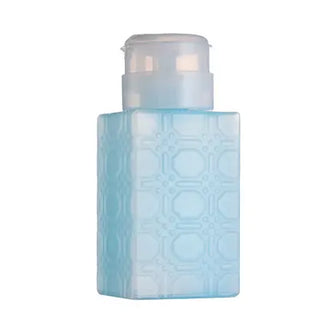
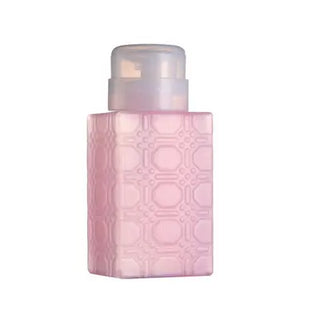
Glass or crystal rather than plastic, because monomer attacks some plastics and a dish that clouds or crazes contaminates the liquid. It should have a lid, since monomer evaporates continuously and an open dish quietly changes the ratio a tech is working to, and it should be heavy enough not to tip. The colours and shapes listed here let a salon assign a dish per tech or mark clearly which dish holds monomer and which holds brush cleaner.
Why not clean acrylic brushes with acetone?
Because acetone strips the natural oils out of Kolinsky hair and leaves it brittle and splayed, so a brush kept in an acetone jar is finished within weeks. Brush cleaner is formulated to dissolve cured and uncured product without doing that, and it belongs at every acrylic station. Work it through the hair gently, reshape the brush to a point by hand, and store it flat or bristles down so liquid cannot run into the ferrule.
What is thinner for, and what is it not for?
Thinner is for gel or lacquer that has thickened in the bottle. It is not for monomer, not for acrylic powder, and it is not interchangeable with polish remover: thinning a product with remover breaks the formula and leaves something that never fully hardens. Buy gallon sizes of any liquid only once the product is settled in the salon, and decant into a working bottle rather than pouring from the large container at the table.
Why keep styptic at the station?
Because every salon nicks a client eventually, usually at the sidewall during a fill, and a liquid styptic closes the capillary immediately so the appointment can continue. Keeping it within reach of the chair rather than in the back room is the difference between a short pause and a cancelled service, which is why the 12-piece set exists: a multi-station salon needs one at every table. Replace it before it runs out rather than after.
What is on the acrylic accessories page
33 listings at wholesale covering the small things an acrylic station cannot work without, with ten out of stock as this page was written. Nineteen come from unbranded salon lines, eight from Gelish, four from LAVIS, one from CND, and one from No Lift Nails. The page holds dappen dishes, brush cleaner, monomer and thinner in salon sizes, styptic for nicks, cutters and scissors, and the odd tools that end up in a drawer rather than on a shelf.
The groups on this page
| Group | What is listed | Why a station needs it |
|---|---|---|
| Dappen dishes | Crystal dishes with lids in hexagon and octagon shapes and several colours | Holds the monomer at the table; the lid is what stops it evaporating |
| Brush cleaner | LAVIS brush cleaner in 16 oz and gallon sizes | The only safe way to clean a Kolinsky brush, since acetone ruins it |
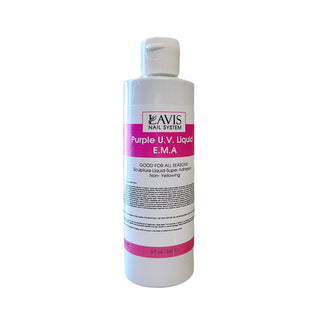
| Monomer and thinner | LAVIS purple UV EMA liquid in 8 oz and gallon, plus a UV thinner in 16 oz | The liquid half of the system, and the thinner for gels that have thickened |
| Styptic | InfaLab liquid styptic, singly and in a 12-piece set | Closes a nick immediately, which every salon needs and nobody plans for |
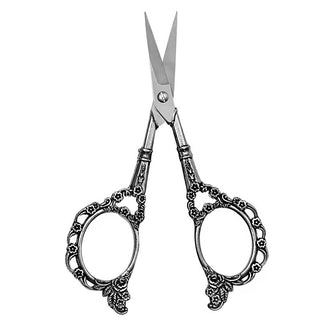
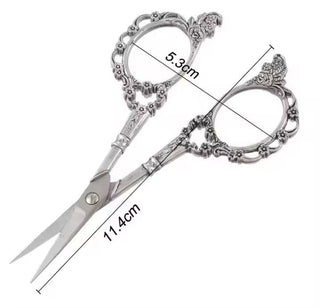
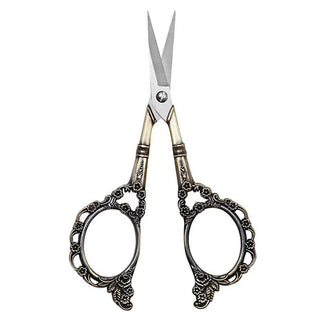
| Cutters and scissors | Nail and tip cutters, small scissors | Shortening tips and trimming before shaping |
The dappen dish is not a detail
A dappen dish holds the monomer a tech works from, and the choice matters more than its price suggests. Glass or crystal rather than plastic, because monomer attacks some plastics and a dish that clouds or crazes contaminates the liquid. A lid, because monomer evaporates continuously and an open dish changes the ratio the tech is working to over the course of a set. And a weight that will not tip, since a knocked dish is a lost service and a cleaning job. Colours exist so a salon can assign a dish per tech or mark which is for monomer and which is for cleaner.
The habits that go with it: pour only what a set needs, never return liquid to the bottle, empty and wipe the dish at the end of the day, and keep a second dish for brush cleaning so the two never share.
Brush cleaner, and why acetone is not it
Acetone strips the natural oils out of Kolinsky hair and leaves it brittle and splayed, which is why a brush that lives in an acetone jar is finished within weeks. Brush cleaner is formulated to dissolve cured and uncured product without doing that, and it is what a salon should have at every acrylic station. The 16 oz bottle suits a single station and the gallon is for a salon cleaning several brushes a day. Work the cleaner through the hair gently, reshape the brush to a point by hand, and store it flat or bristles down.
Monomer, thinner, and what they are not
- Monomer is the liquid that carries powder into a bead; buy EMA and keep it capped.
- Thinner is for gel or lacquer that has thickened in the bottle, not for monomer and not for acrylic.
- Never thin with remover. It breaks the formula and leaves a product that never fully hardens.
- Gallon sizes are a commitment. Buy them once a product is settled, and decant into a working bottle rather than pouring from the gallon.
- Ventilation matters wherever monomer is open, which is the reason an acrylic table needs airflow that a polish table does not.
Styptic, and the two minutes it saves
Every salon nicks a client eventually, usually at the sidewall during a fill. A liquid styptic closes the capillary immediately so the appointment can continue, and having one on the trolley is the difference between a short pause and a cancelled service. Keep it where it can be reached without leaving the station, replace it before it runs out rather than after, and follow the salon's normal procedure for cleaning and covering the area afterwards. The 12-piece set exists because a multi-station salon needs one at every table rather than one in the back room.
Setting up a station from this page
- Two dappen dishes with lids, one for monomer and one for brush cleaner, in different colours so nobody confuses them.
- Brush cleaner in the size that matches the number of brushes cleaned each day.
- Monomer in a bottle the salon will finish within a few months rather than the largest available.
- Styptic within reach of the chair.
- A tip cutter if the station applies tips, which saves filing time on every set.
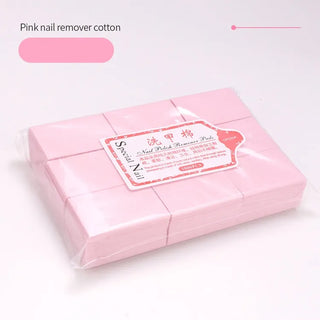
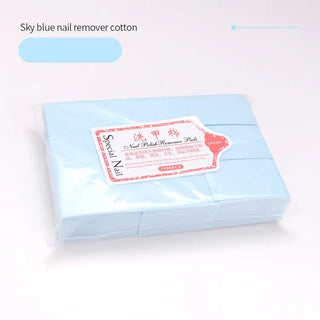
- Lint-free towels for wiping brushes between clients, which paper cannot do without shedding.
The small things that break a station
None of these items is expensive, and all of them stop work when they are missing. A station without brush cleaner will use acetone and lose a brush. A dish without a lid changes the ratio a tech is working to. No styptic turns a nick into a cancelled appointment. A thinner used on the wrong product ruins a bottle. The practical answer is a short list of consumables checked weekly, at the same time as the colour stock, rather than reordered when someone notices a gap mid-service with a client in the chair.
Sizes, and when a gallon makes sense
Several of these liquids are listed in both a working size and a gallon. The gallon is worth taking once a salon is certain it will keep using the product for the next year and has somewhere cool and dark to store it, because an opened container of monomer or cleaner does not improve with age and a gallon at the back of a cupboard is money standing still. Decant into a labelled working bottle rather than carrying the large container between tables, date the working bottle, and finish it before opening the next.
For a single-station salon the 8 oz and 16 oz sizes are usually the better buy even though the unit price is higher, because the liquid stays fresh and the risk of a spill is smaller. The gallon starts to make sense at two or three stations working daily.
What belongs on the trolley and what belongs in the cupboard
- On the trolley: the dappen dishes, brush cleaner in a small bottle, styptic, lint-free towels, and the cutter.
- In the cupboard: refills, gallons, and anything that is not used in a service.
- Never on the trolley: acetone beside brush cleaner, because the two get confused in a hurry and one of them ends a brush.
- Labelled, not remembered: every decanted bottle carries the product name and the date it was filled.
- Checked weekly, alongside the colour stock, rather than reordered when a tech notices a gap mid-service.
Cleaning and hygiene
Dappen dishes are emptied and wiped at the end of every day, never left with liquid in them overnight, and washed properly rather than rinsed under a tap. Cutters and scissors are cleaned and disinfected between clients like any implement that touches a nail or skin, and stored dry rather than damp in a drawer. Brush cleaner and monomer are kept capped, upright, away from heat and direct sun, and stored separately from acetone so nothing is picked up by mistake in a hurry. Anything decanted carries a label, because an unlabelled bottle on a busy trolley will eventually be used for the wrong job.
Cutters, scissors, and the tip station
A tip cutter earns its place in the first week. Shortening a full set with a file takes minutes per hand and wears the file; a cutter takes seconds and leaves a clean edge to shape from, which is why a salon applying tips or press-ons should not be without one. The small scissors on this page are for trimming, not for cutting nails, and both should be cleaned and disinfected between clients like any implement that touches a nail or skin. Keep a spare of whichever one the salon uses most, because a blunt or stiff cutter is the tool a tech works around rather than replaces, and working around it means filing length off ten nails by hand on every set.
Wholesale pricing at ND Nails Supply
Everything on this page ships at wholesale pricing for everyone, with no business license, no minimum order, and no membership fee. Free shipping on orders $100+, and in-stock items ordered before 2pm PT on weekdays leave the same day.