
Frequently asked questions
Which size of the Chaun Legend Kolinsky brush should I buy?
The #12 if it is the only acrylic brush on the desk: a medium bead, two beads per nail, and a point that still reaches the cuticle. A tech new to acrylic starts with the #8 or #10 because a small bead is easier to place, a long-nail or full-cover book adds the #14 or #16, and the #18 is the one-bead-per-nail speed brush for a practiced hand. Most salons end with a pair, one for control and one for volume.
How do I break in a new Kolinsky brush?
Stand it in a dish of monomer for a few minutes until the shipping gum releases, work the belly gently against the side of the dish, wipe on a lint-free towel, then load, wipe, and load again two or three times before the first bead. Never cut, pull, or bend the dry hairs. A brush broken in wet keeps its point for years; one bent dry sheds and never points again.
How do I clean a Kolinsky acrylic brush?
In clean monomer only, after every set, then wipe, shape the point with the fingers, and store it flat or point down in its box. Acetone strips the natural oil from sable and makes the hair brittle. Product that cures in the belly is soaked out overnight in monomer; wiping the brush between beads is what stops it happening.
Why Kolinsky rather than a synthetic acrylic brush?
Sable holds monomer in its belly and releases it as the bead is pressed, which keeps the wet-to-dry ratio steady and lets a tech work a bead without it setting, and its natural taper keeps a point that reaches the cuticle line. A synthetic runs dry, rounds off within months, and costs less only once; a Kolinsky cleaned in monomer lasts years.
Is there a set of the six sizes?
No. Each LGND brush is sold one to a box, and the price climbs with the size because a larger belly is more sable. Two of the six sizes are out of stock at the time of writing; the neighboring size is the stand-in, since a #10 and a #12 or a #14 and a #16 do the same work with one bead more or less per nail.
Chaun Legend Kolinsky acrylic brushes: the LGND brush in six sizes, 8 to 18
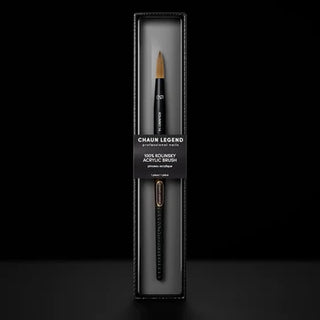
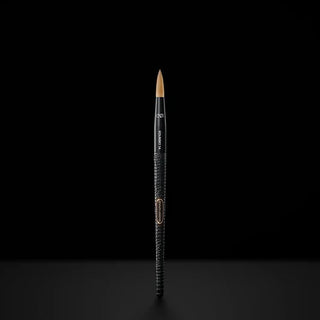
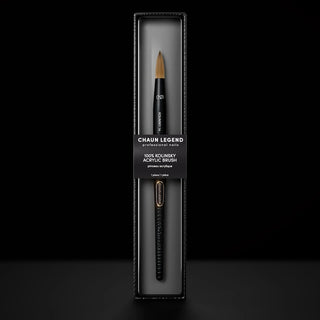
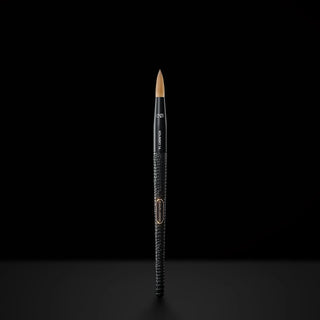
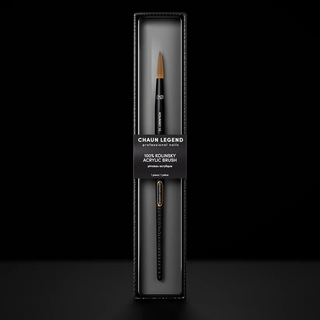
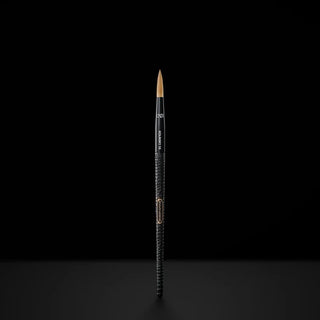
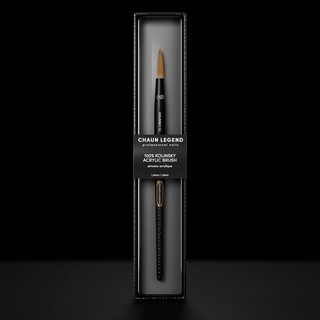
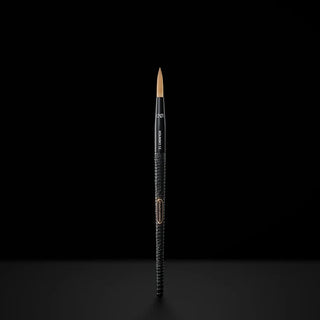
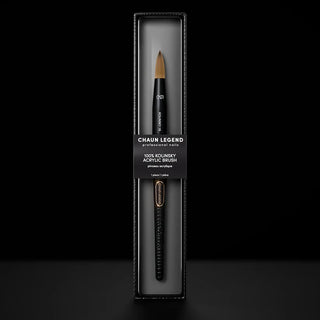
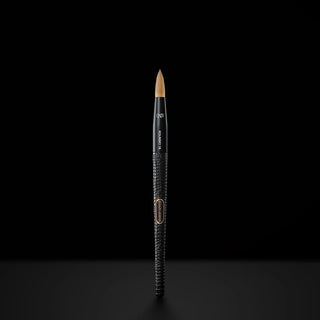
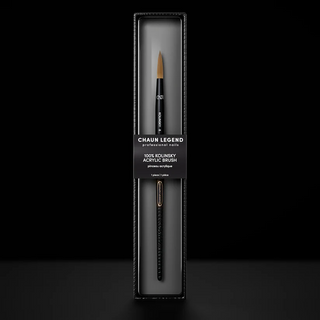
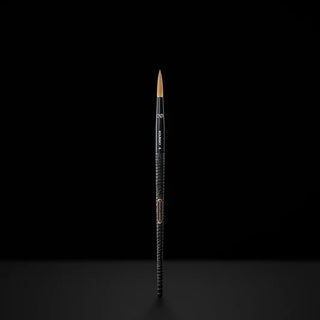
This page holds the six Chaun Legend acrylic brushes at ND Nails Supply: the LGND 100 percent Kolinsky Acrylic Brush in sizes 8, 10, 12, 14, 16, and 18, one brush to the box. Kolinsky is the sable hair that professional acrylic brushes are made from, because it holds monomer in its belly, releases it evenly, and comes to a point that stays sharp through years of beads; the LGND brush pairs that hair with a black textured handle and a metal ferrule, and it is sold beside the brand's own acrylic powder as the brush for it. The size number is the belly: 8 is the small brush for tips, art, and a tech learning bead control, 12 the everyday sculpting size, and 18 the full-cover brush that lays a whole nail in one bead. Prices rise with the size, and two of the six sizes are out of stock at the time of writing. Everything is wholesale-priced for everyone, no license and no minimum.
What is on this page
| Brush | Size | Best for |
|---|---|---|
| LGND Kolinsky Acrylic Brush #8 | 8 | Tips, French smile lines, encapsulated art, cuticle-zone beads, a first acrylic brush |
| LGND Kolinsky Acrylic Brush #10 | 10 | Short and natural-length sets, precise cuticle work, ombre blending |
| LGND Kolinsky Acrylic Brush #12 | 12 | The everyday sculpting brush for medium sets, two beads per nail |
| LGND Kolinsky Acrylic Brush #14 | 14 | Long sets and fills, a fuller bead with control |
| LGND Kolinsky Acrylic Brush #16 | 16 | Full-cover and XL sets, one large bead per nail |
| LGND Kolinsky Acrylic Brush #18 | 18 | Speed sculpting on long and full-cover sets by a tech with a steady hand |
Specs comparison: the six LGND brushes
| Spec | #8 | #10 | #12 | #14 | #16 | #18 |
|---|---|---|---|---|---|---|
| Hair | 100 percent Kolinsky sable, as printed on the box | |||||
| Shape | Round belly tapering to a point | |||||
| Handle | Black textured handle with the Chaun Legend plate, metal ferrule | |||||
| Bead it carries | Small | Small to medium | Medium | Medium to large | Large | Largest |
| Beads per nail, medium set | 3 | 3 | 2 | 2 | 1 to 2 | 1 |
| Price tier | Entry | Entry | Mid | Mid | Upper | Top |
| Pack | 1 brush per box | |||||
The hair, shape, and handle are the same across the six; only the belly changes, and with it how much monomer and powder one pick-up carries. The bead counts in the table are the working habit of most techs on a medium-length set and are a guide, not a rule.
How the belly size changes the bead
A larger belly holds more monomer, so it picks up a bigger bead and lays a nail in fewer passes; a smaller belly gives more control at the cuticle and the smile line and forgives a wetter mix. Most salons keep two sizes at the desk, a 10 or 12 for the everyday set and cuticle work, and a 14 or 16 for length and full covers, and add the 8 for art and the 18 once speed matters more than margin for error.
Which size to buy first
- A tech new to acrylic: the #8 or #10. A small bead is easier to place and press, and a small brush teaches the wet-to-dry ratio before a big belly hides mistakes under too much product.
- A working tech with one brush: the #12. It carries a medium bead, does a full set in two beads per nail, and still reaches the cuticle zone cleanly.
- A long-nail and full-cover book: the #14 or #16, which lay the apex in one bead and the free edge in a second, so a long set is built in fewer strokes.
- A speed sculptor: the #18, one bead per nail on a full-cover set; it needs a dry hand and a practiced ratio, because a wet bead this size runs.
- The pair most salons end with: a #10 and a #14, or a #12 and a #16, one for control and one for volume, each broken in and kept for its own job.
Three of the six, up close


Breaking in a new Kolinsky brush
A new Kolinsky brush arrives with its hair set in a sizing gum that keeps the point through shipping. Do not cut, pull, or bend the hairs to loosen it: stand the brush in a dish of monomer for a few minutes, work the belly gently against the side of the dish until the gum releases, and wipe the brush on a lint-free towel. Then load it, wipe it, and load it again two or three times before the first bead so the belly is saturated. A brush that is bent dry sheds hairs and never points again; a brush broken in wet keeps its point for years. The first few beads from a new brush run a touch wetter than the tech is used to, because a fresh belly holds more; wipe a little more off on the dish edge for the first set.
Using the brush on a set
- Load. Dip the whole belly in monomer, then wipe the brush on the dish edge until it stops dripping; the wipe sets the wet-to-dry ratio.
- Pick up. Touch the point to the powder and draw the brush toward you so the bead forms on the belly, not the point; a bead on the point is too dry.
- Place. Set the bead where the apex will be, let it settle a second, then press it out with the flat of the belly toward the free edge and the sidewalls.
- Pat, do not stroke. Use the belly to pat the product into shape and the point only for the cuticle line; stroking a bead like paint pulls it thin and drags the pigment on a color acrylic.
- Clean between beads. Wipe the brush on the towel and re-dip before each pick-up so old product never cures in the belly.
Cleaning and storage
- After every set: rinse the brush in clean monomer, never acetone, which strips the natural oil from sable and turns the hair brittle. Wipe, shape the point with the fingers, and lay the brush flat or hang it point down.
- Product cured in the belly: soak the brush in monomer overnight and work it loose against the dish; if the hair has set solid, the brush is finished, which is why the wipe between beads matters.
- Storage: in its box or a brush case, point protected, away from the lamp and the drill dust. Never leave a Kolinsky standing in a dish, which bends the point.
- Replacement: a Kolinsky that is cleaned in monomer and never touched by acetone lasts years; the sign to replace it is a point that will not re-form after shaping, or hairs that splay when loaded.
Why a brush stops working, and the fix
- The point splays when loaded: product has cured in the belly, usually from skipping the wipe between beads. Soak overnight in monomer and work it loose; if it stays stiff, the brush is done.
- The bead runs to the cuticle: the brush is carrying too much monomer for its belly. Wipe more off on the dish edge, and pick up the bead from the belly rather than dragging the point through the powder.
- The bead sets on the brush before it is placed: the brush is too dry, or the room is warm. Wipe less monomer off and move the dish away from the lamp.
- Hairs shed into the set: the brush was bent or cut dry at break-in, or cleaned in acetone. Break in wet, clean in monomer, and retire a brush that keeps shedding.
- The ferrule loosens: the brush was left standing in monomer, which works into the glue. Lay the brush flat after every set and store it dry in its box.
Two brushes, two jobs
A working acrylic desk usually holds two of these brushes and keeps them for separate jobs. The smaller one, a #8 or #10, is the cuticle and French brush: it carries the small bead for the zone a hairline off the skin and the white for the smile line, and its point cleans the line without a second tool. The larger one, a #14 or #16, is the body brush: it lays the apex bead and the free edge on a long set and does the full-cover work. Keeping the two apart matters because a brush that has carried white takes a set to clear, and a large brush pressed into the cuticle zone leaves a ridge. A tech doing pink and white all day sometimes adds a third, kept for white only, and the six sizes on this page make that split easy to build one brush at a time.
Kolinsky or synthetic for acrylic
A synthetic brush is cheaper and tolerates acetone, but it does not hold monomer the way sable does, so the bead runs dry and the ratio is harder to keep, and the point rounds off within months. A Kolinsky brush costs more once and works for years: the belly stores monomer and releases it as the bead is pressed, which is what lets a tech work a bead slowly without it setting, and the natural taper keeps a point that reaches the cuticle line. For an acrylic tech the Kolinsky is the tool, and the size is the only real choice on this page.
Wholesale pricing at ND Nails Supply
Every LGND Kolinsky brush is wholesale-priced for everyone, with no business license, no minimum order, and no membership fee. The six sizes climb in price from the #8 to the #18, since a larger belly is more sable, and each is sold one to a box with no sets. Free shipping on orders $100+, and in-stock brushes ordered before 2pm PT on weekdays leave the same day.