














Frequently asked questions
Are clearance lacquers discounted?
No. At ND clearance means the shade sells until the stock is gone and is not reordered; the price beside the bottle is the regular wholesale price and the polish is the same product it has always been. What is ending is the shade at ND rather than anything about the formula. The practical consequence is that there is no better price to wait for, and a colour that goes onto a client card should be bought in pairs while the stock is there.
What is on this page?
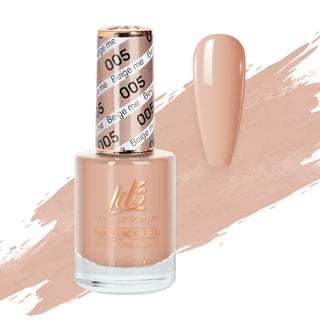
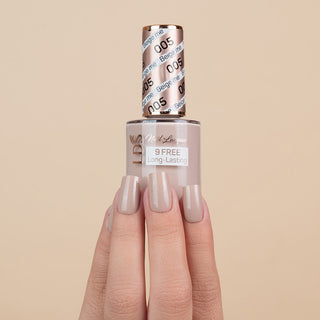
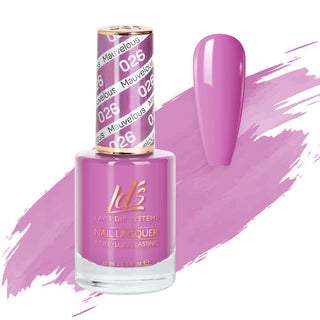
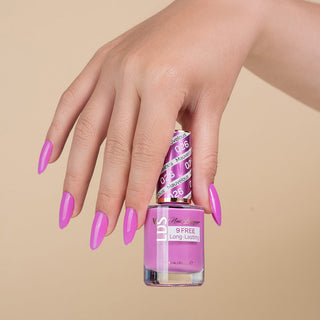
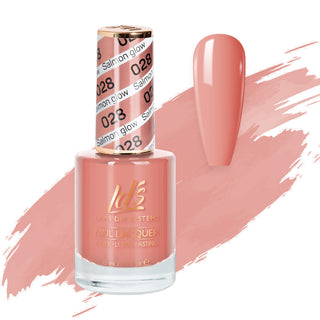
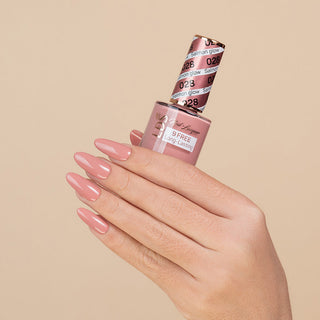
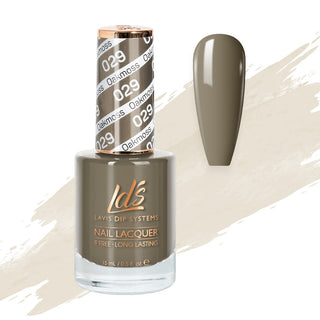
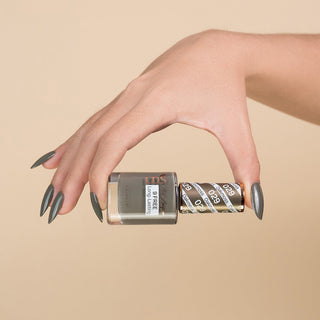
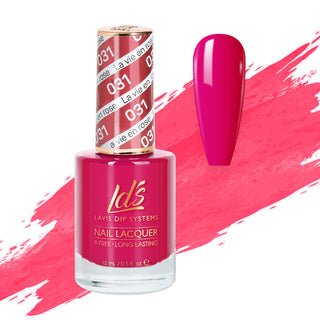
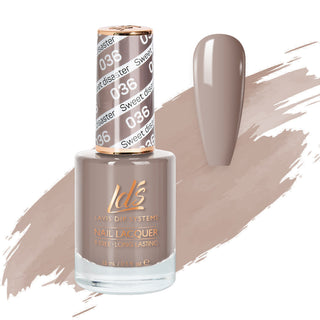
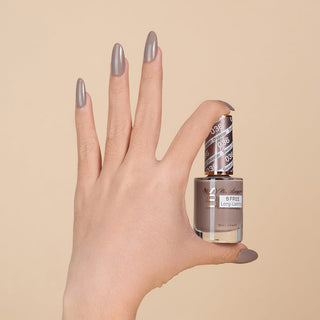
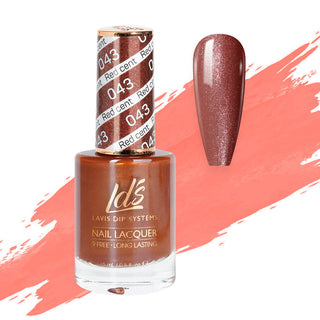
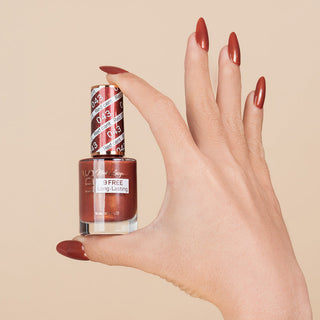
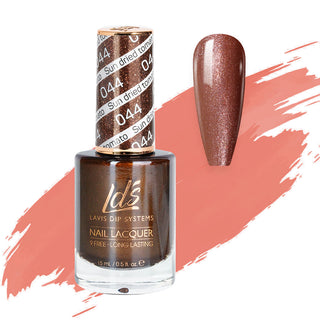
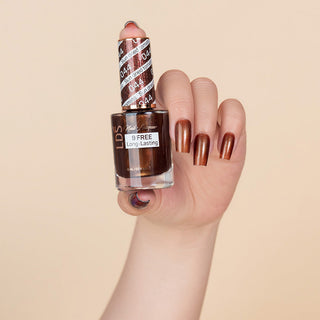
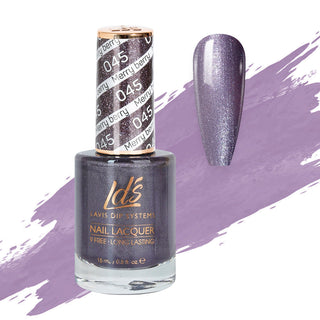
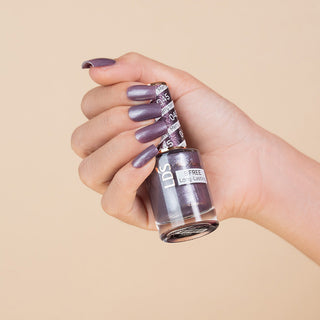
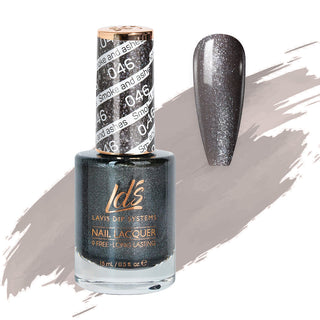
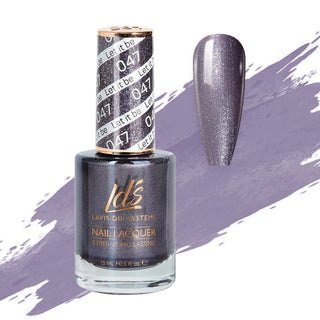
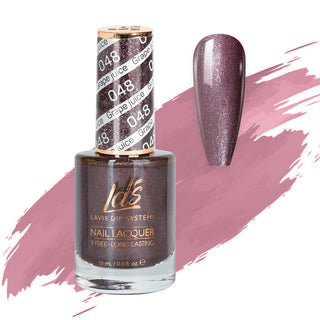
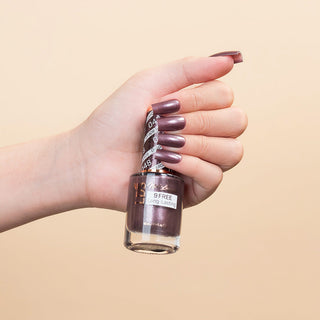
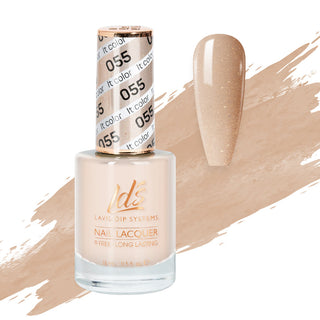
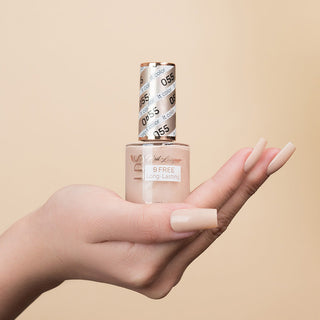
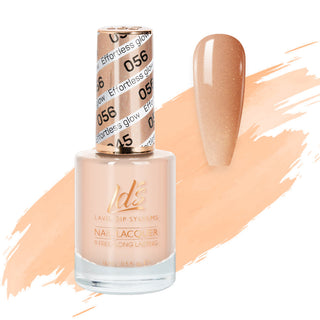
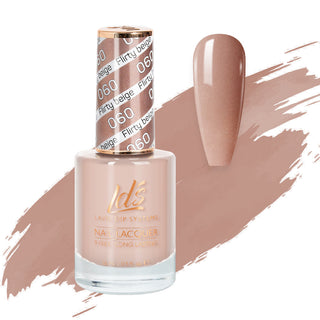
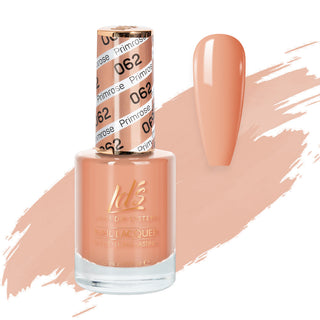
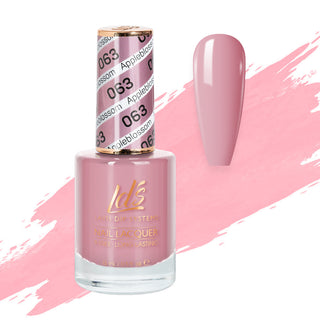
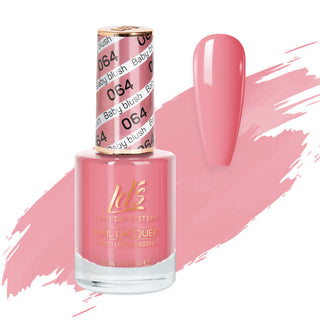
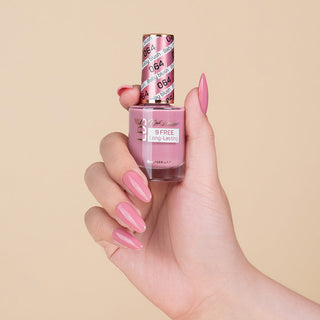
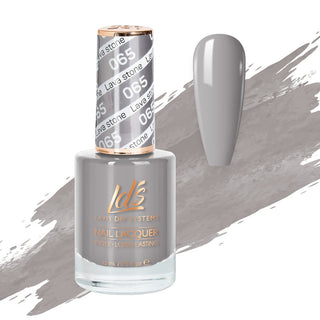
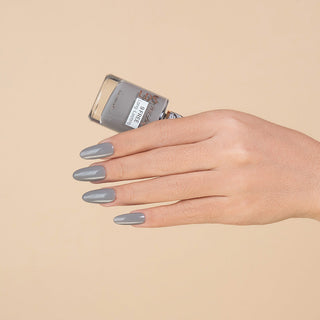
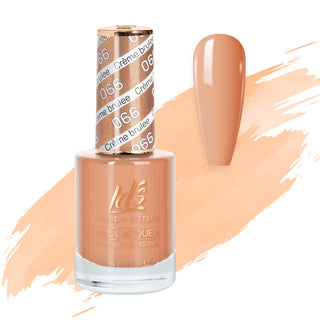
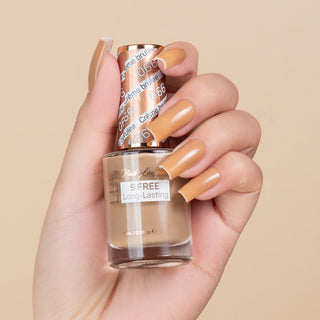
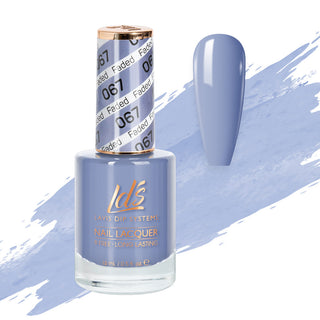
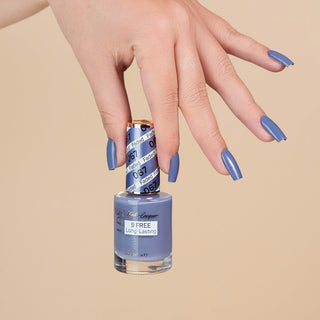
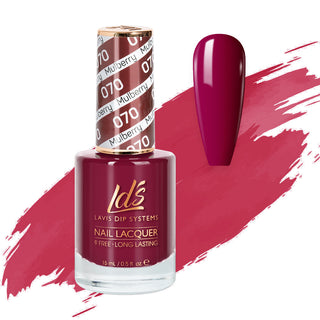
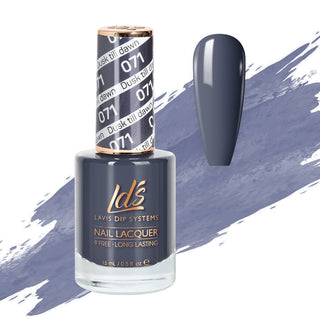
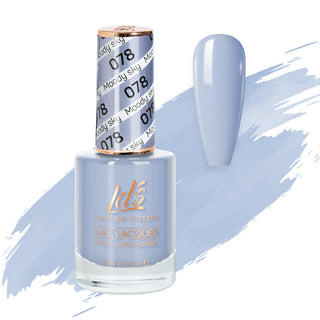
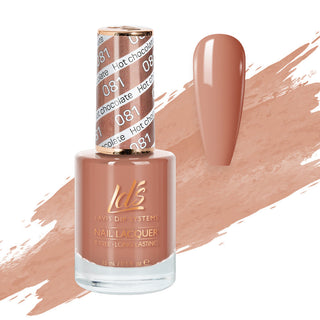
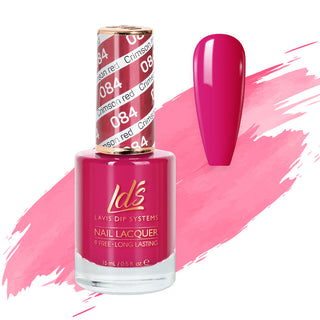
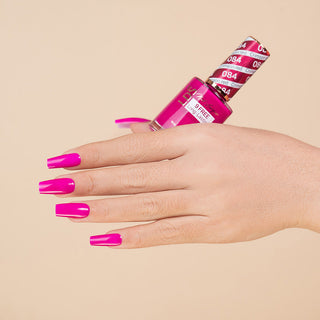
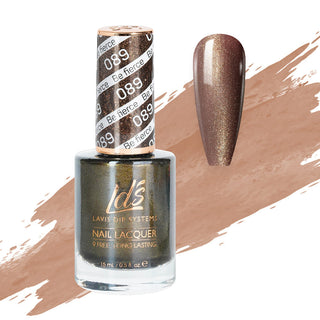
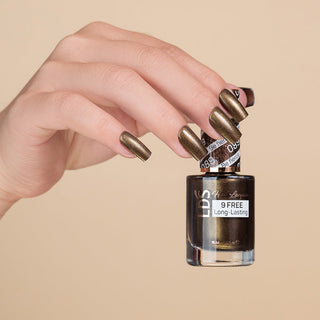
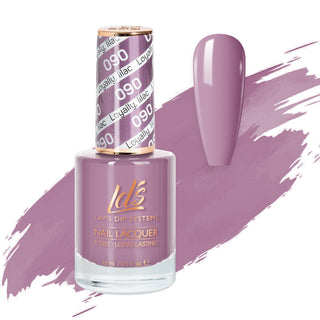
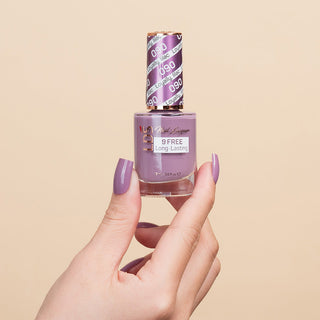
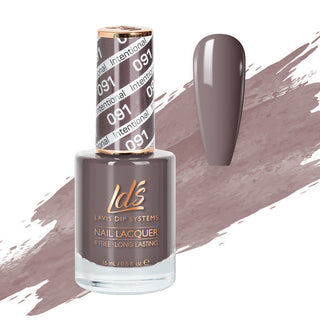
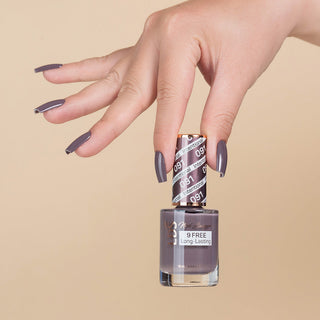
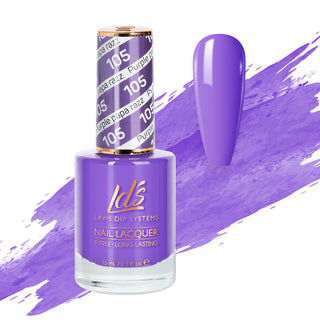
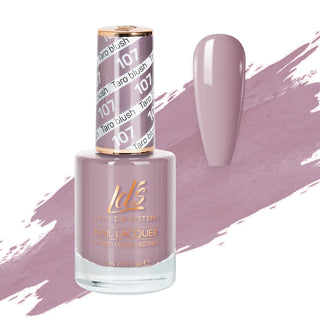
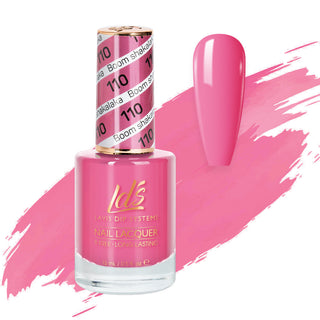
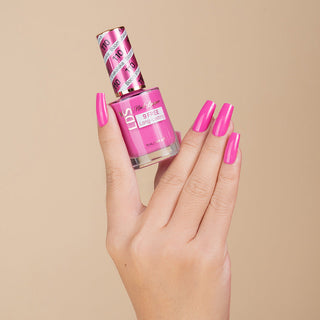
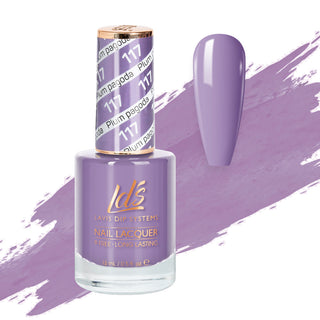
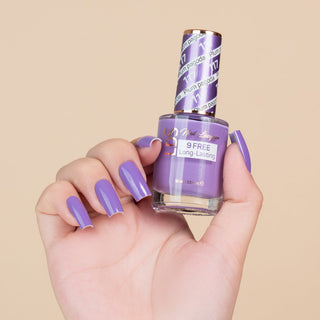
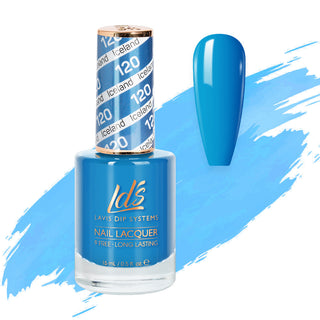
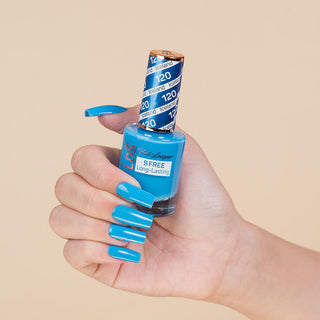
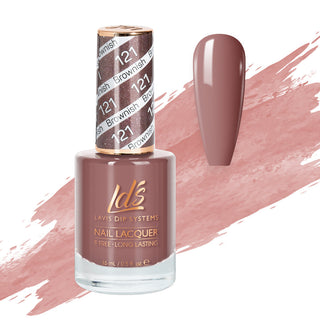
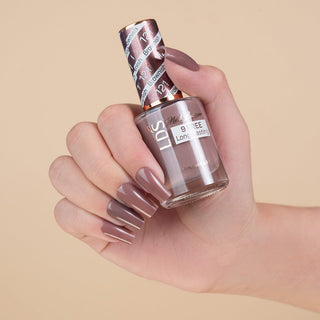
109 air-dry lacquers, 15 of them out of stock at the time of writing. Ninety-four come from LDS, with named numbers such as Beige Me, Mauvelous, Salmon Glow, Oakmoss, and La Vie En Rose, and 15 from OPI including a small Downtown LA group. By season the page leans cold: 68 bottles are tagged for winter, 33 for fall, 16 for summer, and 4 for spring, which is the shape of a rack that sold its spring and summer shades first.
Is a clearing lacquer riskier than a clearing gel?
Less risky, because lacquer needs no matching base, activator, or lamp. A bottle that cannot be reordered is still usable until it is empty and nothing else in the salon changes when it runs out, where a clearing gel or dip colour can be stranded without its consumables. It also suits the pedicure chair, where toe colour turns over slowly, so one bottle covers months of services and the client has usually changed her mind about the shade by the time it is finished.
How should a salon buy from this page?
Take the seasonal shades, since this page is weighted towards fall and winter, and keep the core colours, the classic red, the milky nude, and the French white, on a restocked line so they are always reorderable. Buy two of anything that will go on a client card, swatch and code every bottle, and lay each swatch beside its nearest restocked neighbour so the replacement is decided before the last coat is used rather than in front of a client.
What clearance means on this page
109 air-dry nail lacquers carry the clearance tag at ND, and the tag means the shade is sold until the stock is gone and is not reordered. It is not a markdown. The price beside a clearance bottle is the regular wholesale price, and the polish itself is the same product it has always been. What is ending is the shade at ND, not the formula in the bottle.
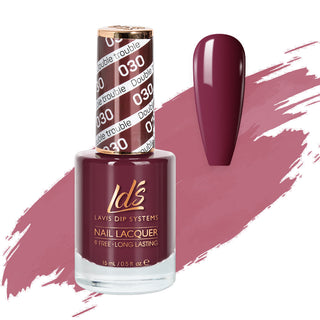
Fifteen of the 109 are out of stock as this page was written. Ninety-four come from LDS and 15 from OPI, and the LDS group carries named numbers such as Beige Me, Mauvelous, Salmon Glow, Oakmoss, Double Trouble, and La Vie En Rose.
What is on the page
| Line | Bottles | What it is |
|---|---|---|
| LDS | 94 | Numbered lacquers from the LDS chart, many of which match an LDS gel or dip number |
| OPI | 15 | Named shades, including a small group from the Downtown LA collection |
By season the page leans heavily towards the colder half of the year: 68 bottles are tagged for winter, 33 for fall, 16 for summer, and 4 for spring, which is exactly the shape of a rack that has sold through its spring and summer shades first.
Why a lacquer clearance page is worth a salon's time
Lacquer is the format where a salon can use up a shade without stranding it. There is no matching base, no activator, and no lamp involved, so a bottle that cannot be reordered is still perfectly usable until it is empty, and nothing else in the salon has to change when it runs out. That makes a clearing lacquer range genuinely low risk compared with a clearing gel or dip system, where a colour without its consumables can sit unused.
The second reason is the pedicure chair. Toe colour turns over slowly, so a bottle bought from a clearing range lasts months of pedicures, and by the time it runs out the client has usually changed her mind about the colour anyway.
How to buy from a range that is ending
- Take the seasonal shades. With 68 winter and 33 fall bottles here, this is a page to stock a cold-season rack from rather than a spring one.
- Buy two of anything that goes on a client card. A second bottle is the only warning before a shade is gone.
- Keep the core on a restocked line. The classic red, the milky nude, and the French white should always be reorderable.
- Swatch and code every bottle. A shade that cannot be reordered still needs to be identifiable on a client card next year.
- Match a replacement now. Lay each clearance swatch beside its nearest neighbour from a restocked line and write both numbers down.
- Use them at the pedicure chair first, where a bottle lasts longest and where clients are least attached to a specific number.
Where a lacquer rack loses money
- Buying one bottle each of twenty shades. That is twenty colours the salon cannot reorder and no depth in any of them.
- Letting bottles thicken. A bottle that seizes shut is gone as surely as one that sells out.
- Promising a clearing shade to a regular without a replacement swatched and written down.
- Storing stock in the window. Heat and light age lacquer faster than use does.
- Forgetting the base and top. A clearance colour is only as good as the base under it and the top over it, both of which should come from a restocked line.
Keeping a bottle usable to the last coat
Wipe the neck with remover before the cap goes on, every time, because dried lacquer on the thread stops the cap seating and lets the bottle skin over. Stand the bottles upright in a cool cupboard rather than on a sunny shelf, and roll rather than shake before use so no bubbles land in the first coat. A thickened bottle is corrected with a proper thinner, never with remover, which breaks the formula and leaves a set that stays soft and marks against the first thing it touches. On a clearing shade those habits are the difference between using the whole bottle and losing half of it.
Matching a clearing lacquer to a gel
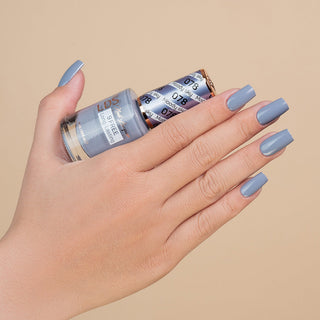
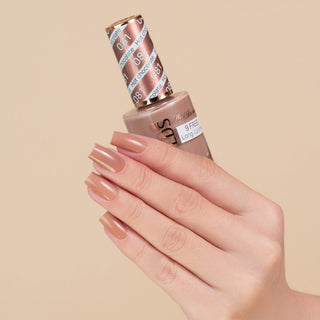
Many of the LDS bottles here share a number with an LDS gel or dip shade, which is useful while both exist: a client can have the gel on her hands and the matching lacquer on her toes. Inside one line the two are pigmented together, so the match is close, though gel cures harder and glossier and reads a shade deeper, and two coats of lacquer often need a third to sit level. Across lines there is no match at all, so once a clearing lacquer number is gone, the toes should move to the same line as the hands rather than to the nearest colour by eye.
Retail and swatch use
A clearing lacquer has two jobs a restocked one does not do as well. It is ideal for display and swatch sticks, because a bottle used only to paint tips does not need to be reorderable, and it is easy to sell across the counter to a client who wants the exact shade she is wearing today, with no expectation of buying it again next year. Keeping retail stock separate from service bottles matters here as everywhere, so that nothing half used ever reaches a customer.
A lacquer service that earns its place
Air-dry polish is often treated as the cheap option on a menu, which undersells it. It is the fastest colour service in the salon, it is the only one a client can have on a lunch break, and it is the format for anyone whose nails are too damaged for soak-off removal or who simply wants a different colour every fortnight. On a clearing range that matters because those clients are not attached to a specific number the way a gel client is; they want a colour that suits the day, which is exactly what a page like this can supply.
The service itself rewards care rather than speed. Prep dry so no oil sits under the base, lay two thin coats with the free edge capped each time, add a third only for a pale shade, finish with a generous top coat across the edge, and give the client two minutes of still air with drying drops before she reaches for her bag.
Why a bottle chips on the second day
- Oil under the base coat, usually from cuticle oil or hand cream applied before the colour rather than after it.
- Coats laid too thick, which skin over and stay soft underneath for hours.
- A free edge that was not capped, which is where every chip starts on a hand.
- A thickened top coat dragging the colour beneath it; replace the bottle rather than thinning it with remover.
- No base coat at all, which also stains the plate on deep reds and wines.
What to tell a client about a shade that is ending
Nothing about the word clearance, which only invites the question of whether the polish is old. What a client needs is the useful part: the colour is available now, it will not be available forever, and the salon has a matched replacement ready for when it runs out. Said that way, a client hears care rather than a warning, and the salon keeps her at the moment the last bottle is used rather than losing her to whichever salon still has the shade.
Turning the rack over
A rack of sixty bottles where fifteen are used weekly needs editing rather than restocking. Twice a year, pull anything untouched for six months into a retail or display basket and keep the freed space for current shades. On a clearance page that is doubly useful: the bottles that are genuinely being used can be bought in pairs while they exist, and the ones that were bought on impulse stop taking up the space where a client should be seeing this season's colours.
Wholesale pricing at ND Nails Supply
Every bottle on this page ships at wholesale pricing for everyone, with no business license, no minimum order, and no membership fee. Clearance shades sell at their regular wholesale price until the stock is gone and are not reordered. Free shipping on orders $100+, and in-stock bottles ordered before 2pm PT on weekdays leave the same day.