


Frequently asked questions
What cuticle tools are on this page?
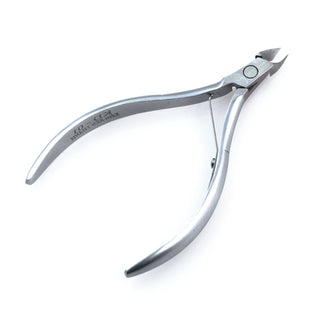
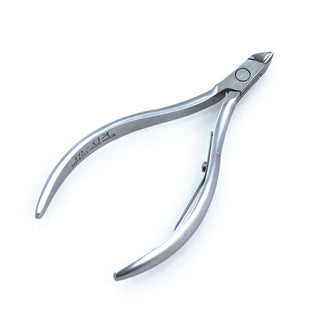
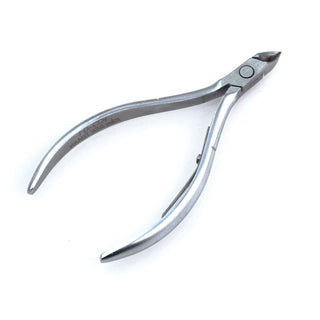
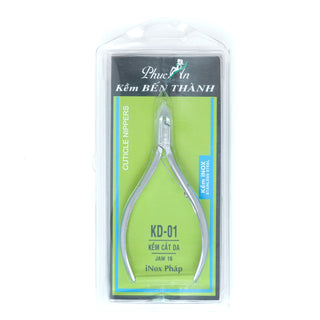
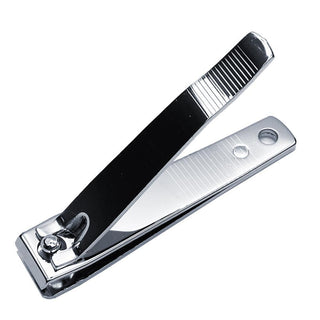
The KD 1 stainless steel cuticle nippers in Jaw 14 and Jaw 16 with spring-action handles for right and left hands, ultra-fine Russian-style curved cuticle scissors, a stainless cuticle pusher, a double-head gel remover and triangle-head tool, a flat carbon steel nail clipper, and 5 inch flush-cut pliers for cutting tips and charm flash. The tools a station replaces rather than collects.
Jaw 14 or Jaw 16: which nipper?
The number is the size of the cutting jaw. The smaller Jaw 14 turns tighter around the cuticle curve and suits small, controlled bites at the manicure desk; the larger Jaw 16 takes off more per cut and suits fast pedicure work and thick cuticle. Both KD 1 nippers are stainless steel with spring-action handles that reopen the jaw on their own, so a full set is comfortable on the hand.
When should I use cuticle scissors instead of a nipper?
For delicate skin, hangnails, corners a nipper jaw cannot reach, and clients who bleed easily. The Russian-style curved blade follows the natural contour of the nail in one motion and the pointed tip trims precisely without pulling. Many techs push, nip the bulk with the nipper, and finish the corners with the scissors. The same scissors serve for eyebrow and lash trimming.
How do I keep cuticle tools clean and sharp?
Remove debris, soak in a hospital-grade disinfectant for the labeled contact time, rinse, and dry between every client; dry the carbon steel clipper right away so it does not rust. Oil the nipper and scissor hinges weekly, store with the jaw closed and the tip capped, and sharpen or replace a nipper the moment it snags, since a dull jaw tears skin and a torn cuticle is where the next set lifts.
Are cuticle tools sold at wholesale?
Yes. Every nipper, pusher, clipper, scissor, and plier at ND Nails Supply is wholesale-priced for everyone, with no business license, no minimum order, and no membership fee. They are light, low-cost tools that add to any order. Orders $100+ ship free, and in-stock tools ordered before 2pm PT on weekdays leave the same day.
Cuticle nippers, pushers, and clippers
The three hand tools every manicure starts with: a pusher to lift the cuticle off the nail plate, a nipper to trim the lifted skin, and a clipper to shorten the free edge. ND Nails Supply stocks the working versions at wholesale: the KD 1 stainless steel cuticle nippers in Jaw 14 and Jaw 16, ultra-fine Russian-style cuticle scissors, a stainless cuticle pusher, the double-head gel remover and triangle-head tool, a flat carbon steel nail clipper, and the 5 inch flush-cut pliers for cutting tips and wire. This page is small by design; it is the tools that get replaced, not the tools that get collected.
What is on this page
| Tool | Details | Use |
|---|---|---|
| Nail Cuticle Nipper KD 1, Jaw 14 and Jaw 16 | Stainless steel, spring-action handles, made for right and left hands | Clean, pain-free trimming of lifted cuticle without tearing or snagging |
| Ultra Fine Cuticle Scissors | Stainless steel, Russian-style curved blade, pointed tip | Precise trimming of cuticle, dry skin, and delicate areas; also eyebrow and lash trimming |
| Cuticle Pusher | Stainless steel | Lifting and pushing back the cuticle before nipping |
| Double Head Gel Remover and Triangle Head | Dual-ended pusher | Pushing softened gel off after a soak and cleaning the sidewalls |
| Nail Clipper, carbon steel, flat | Flat-edge clipper | Shortening the free edge before filing |
| 5 inch Flush Cut Pliers | Diagonal side cutter | Cutting tips, wire, and 3D charm flash flush |
Jaw 14 or Jaw 16?
The number is the size of the cutting jaw. The smaller jaw (14) turns tighter around the cuticle curve and suits techs who nip in small bites for control; the larger jaw (16) takes off more skin per cut and suits techs who work fast on pedicures and thick cuticle. Most salons keep both: 14 at the manicure desk, 16 at the pedicure chair. Both KD 1 nippers have spring-action handles so the jaw reopens on its own, which is what makes a full set of ten nails comfortable on the hand.
Specs comparison: the seven hand tools
| Tool | Material | Working end | Action | Job |
|---|---|---|---|---|
| Nail Cuticle Nipper KD 1, Jaw 14 | Stainless steel | Jaw 14 (the smaller blade) | Spring handle, right or left hand | Fine cuticle work and hangnails, the everyday nipper |
| Nail Cuticle Nipper KD 1, Jaw 16 | Stainless steel | Jaw 16 (the longer blade) | Spring handle, right or left hand | Thicker cuticle and pedicure work, fewer cuts per pass |
| Ultra Fine Cuticle Scissors | Stainless steel | Curved, fine-point blades | Scissor | Trimming a strip of dead cuticle in one continuous cut, the Russian-manicure style |
| Cuticle Pusher | Steel | Spoon end and a scraper end | Push and scrape | Pushing back the cuticle and lifting the dead tissue before nipping |
| Double Head Gel Remover and Triangle Head | Steel | Flat scraper and a triangle point | Scrape | Pushing softened gel off after an acetone soak, cleaning the sidewall groove |
| Nail Clipper, Carbon Steel, Flat | Carbon steel | Flat cutting edge | Lever | Taking length off a natural nail or a tip before filing |
| 5" Flush Cut Pliers | Steel | Flush-cut jaws | Plier | Cutting tips, forms, and wire charms flush without a ridge |
Every tool on the page is a solid-steel instrument that is cleaned and disinfected between clients rather than thrown away; the consumables of the prep station (files, buffers, wipes) are on the files and buffers page.
Jaw size and blade length


Troubleshooting the prep station
| Problem | Cause | Fix |
|---|---|---|
| Nipper tears instead of cutting | Dull blade, or the jaw closed with a twist | Cut with a squeeze straight down and lift away; retire a nipper that still tears |
| Nicks and bleeding at the sidewall | Cuticle nipped before it was pushed and lifted, or too large a bite | Push and lift first, take small bites with the Jaw 14, and keep a styptic at the station |
| Gel lifts in the first week | Cuticle tissue left on the plate | Push, lift, nip, then buff the plate before the dehydrator |
| Rust spots on a tool | Left wet after disinfecting | Rinse, dry fully, and store dry; the carbon steel clipper needs it most |
| Pusher scratches the nail | Held at too steep an angle | Hold the spoon flat to the plate and push with the edge, not the tip |
Nipper vs scissors
A nipper cuts in short straight bites and is the fastest way to trim a lifted cuticle. Curved cuticle scissors follow the natural contour of the nail in one motion and reach into corners a nipper jaw cannot, which makes them the choice for delicate skin, hangnails, and clients who bleed easily. Many techs push, nip the bulk, and finish the corners with the scissors.
The prep sequence
- Soften. A short soak or a cuticle remover so the skin lifts without force.
- Push. Hold the pusher at a low angle and push the cuticle back from the plate in short strokes; lift only the dead skin, never the living eponychium.
- Nip. Trim the lifted skin in small bites with the nipper held flat to the nail. Do not pull; if it does not cut cleanly, the jaw needs sharpening.
- Clip and file. Shorten the free edge with the clipper, then shape with a file.
- Dust and dehydrate. Brush away debris and dehydrate before base.
Pro tip: a nipper that snags is dull, not the tech's fault. Sharpen or replace it; a dull jaw tears the skin, and a torn cuticle is where lifting starts on the next set.
The full prep sequence with these tools, step by step
- Remove the old product. File through the top, soak in acetone under foil, and push the softened gel or dip off with the flat head of the Double Head Gel Remover; the triangle head clears the sidewall groove without gouging the plate.
- Shorten if needed. Take length off with the flat carbon steel clipper before filing, one cut from each side toward the center so the nail does not split at the corner.
- Soften and push. After a short soak or a cuticle remover, push the cuticle back with the spoon end of the pusher held flat to the nail, then lift the dead tissue with the scraper end.
- Nip or trim. Take the lifted tissue with the Jaw 14 in small bites, squeezing straight and lifting away, or with the fine scissors in one continuous curved cut for a client who wants the Russian-style clean line. The Jaw 16 handles a thick pedicure cuticle in fewer cuts.
- Buff and dehydrate. A light buff of the plate, then the dehydrator and primer, and the nail is ready for base.
The whole sequence runs a few minutes per hand with the tools laid out in that order on the tray, and it is the part of the service that decides whether the gel holds three weeks or lifts in one, which is why the nipper and pusher are the two tools a salon replaces on a schedule rather than when they fail.
Stocking the prep tray for a salon
A station needs one of each tool in use and one in the disinfectant, so a two-chair salon buys two of everything plus a spare nipper, since the nipper is the tool that dulls first. The Jaw 14 is the default nipper for the manicure chair and the Jaw 16 for the pedicure chair, where the cuticle is thicker. The cuticle scissors are added for the tech who does the Russian-style manicure, and the flush-cut pliers for the station that applies tips and forms. Because every tool here is stainless or carbon steel, the reorder rhythm is set by wear rather than by use: a nipper is replaced when it starts to tear even after cleaning, a pusher when its edge rounds, and a clipper when it crushes rather than cuts. Kept dry between clients and stored in a closed drawer, the set outlasts a year of daily prep.
What are the flush-cut pliers for?
The 5 inch flush-cut pliers are a side cutter, not a cuticle tool. On a nail desk they cut soft gel and press-on tips to length in one clean bite before shaping, trim the flash off a cast 3D charm, and cut wire for nail jewelry and chain charms. They cut flush, so the edge does not need refiling as much as a tip cutter's does. They live next to the tip boxes rather than in the cuticle kit.
How often should tools be replaced?
A stainless nipper or scissor that is cleaned, oiled, and stored capped lasts years, but its edge does not: once it snags rather than cuts, it goes out for sharpening or gets replaced, because a torn cuticle heals badly and lifts the next set. Pushers do not wear out; clippers do, and the flat carbon steel clipper is inexpensive enough to replace the moment the blades misalign. Most salons keep a spare nipper per two stations so a dull one can be swapped mid-day and sent for sharpening.
Sanitation and care
- Stainless tools are cleaned of debris, soaked in a hospital-grade disinfectant for the labeled contact time, rinsed, and dried between every client. The carbon steel clipper is dried immediately to avoid rust.
- Oil the hinge of the nipper and scissors weekly so the spring action stays smooth.
- Store with the jaw closed and the tip capped so the cutting edge is not knocked.
Hand tools or an e-file for cuticle work?
Both, in most salons. An e-file with a diamond or safety bit lifts and clears dead cuticle quickly and evenly, and it is the faster choice on a full set; the hand tools on this page finish what the bit leaves, trim the lifted skin cleanly, and are the only option at the pedicure chair or for a client who does not want a drill near the skin. A tech who runs a drill still needs a pusher, a nipper, and a clipper at the station, and a tech who does not run a drill needs them more. The prep bits and these tools cover the same step from two directions.
Wholesale pricing at ND Nails Supply
Every nipper, pusher, clipper, scissor, and plier ships at wholesale pricing for everyone, with no business license, no minimum order, and no membership fee. These are light, low-cost tools that add to any order. Free shipping on orders $100+, and in-stock tools ordered before 2pm PT on weekdays leave the same day.