























Frequently asked questions
How large do these bundles get?
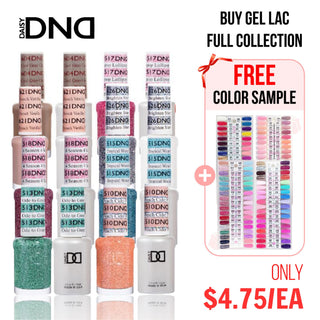
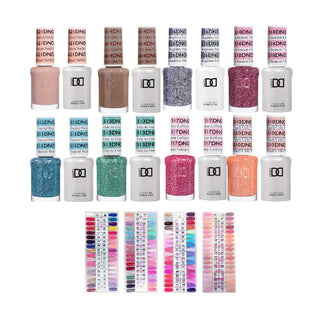
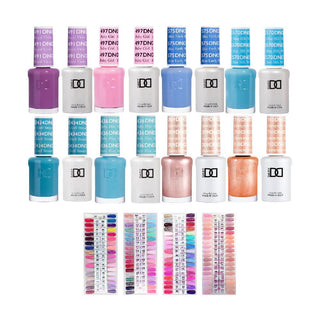
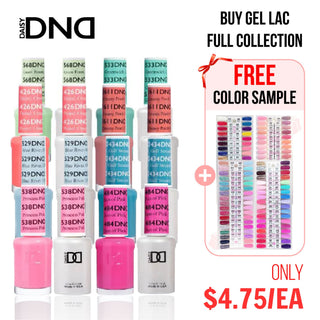
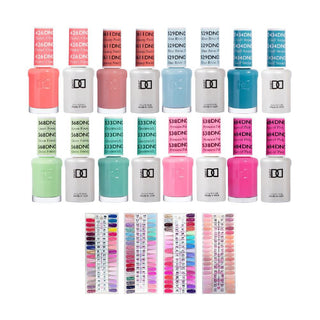
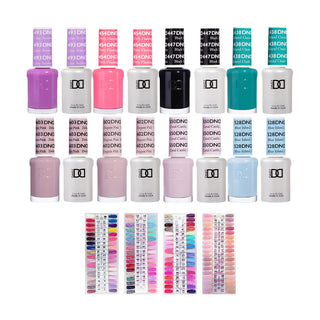
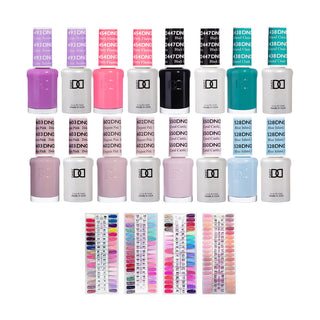
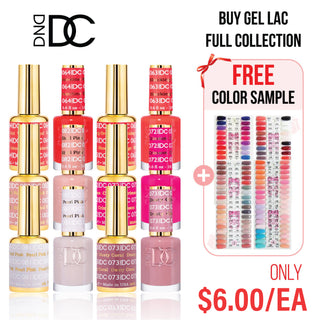
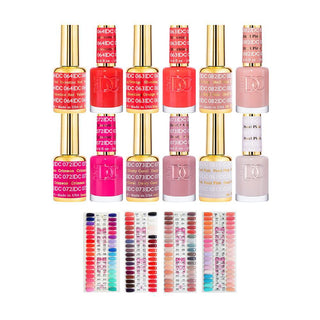
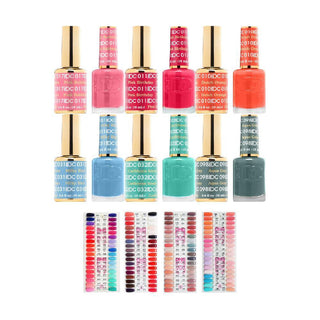
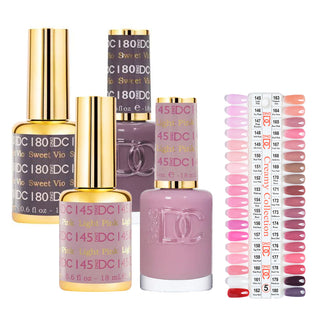
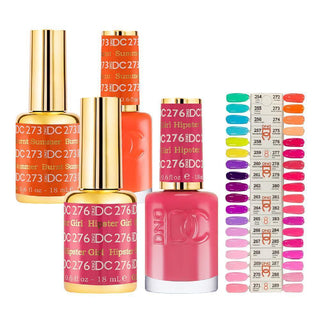
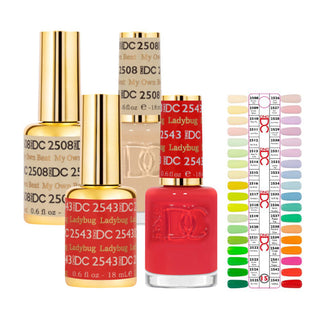
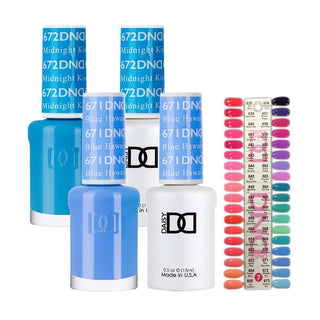
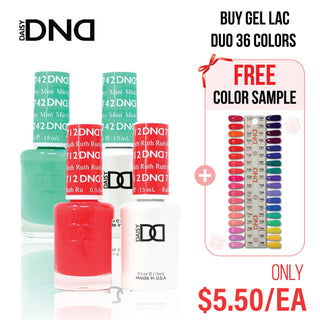
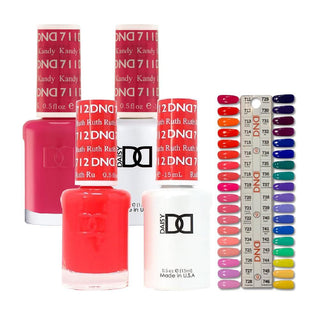
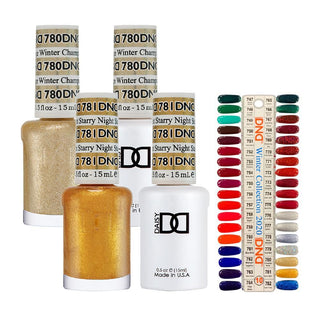
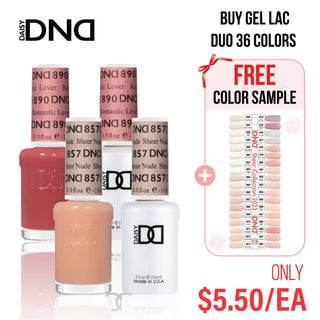
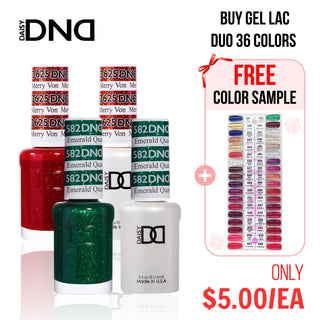
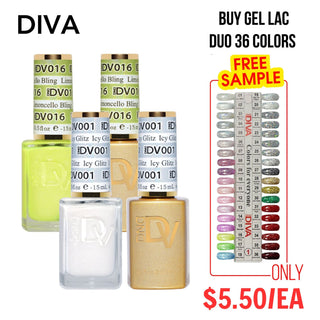
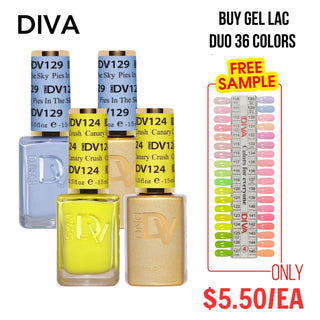
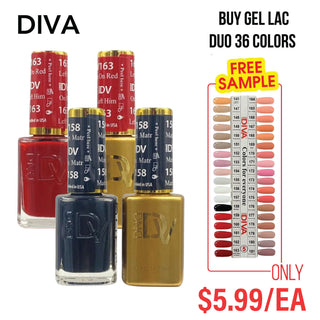
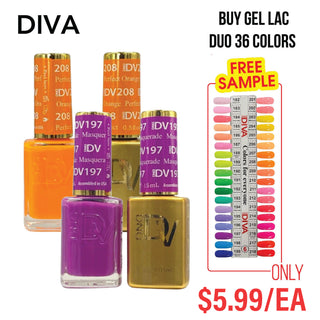
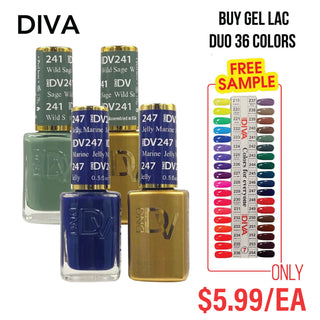
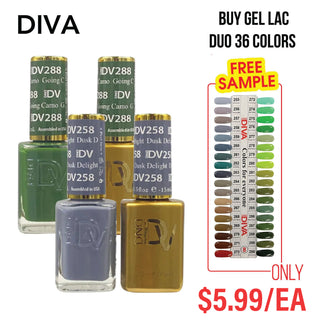
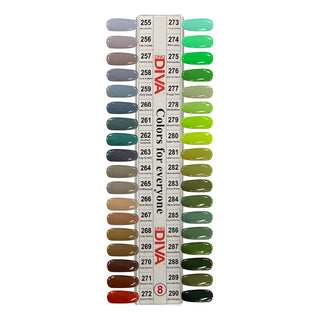
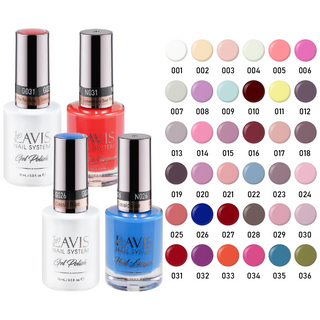
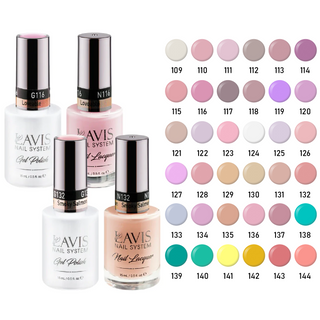
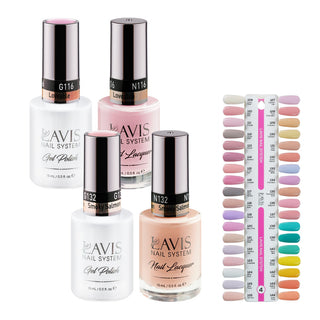
From six-duo sets up to complete lines of 280, 288, 307, 350, 396, and 500 matching gel and lacquer combos, with collection parts of roughly 25 to 33 duos in between. DND Diva supplies 35 of the 86 listings, DND 30, DND DC 14, LAVIS four, OPI two, and NuGenesis one, and nine are out of stock at the time of writing. Seventeen listings also offer a colour swatch option, which is the display material that matches the stock exactly.
Do the large sets cost less per duo?
The large DND line purchases do work out below the price of the same duos bought individually, checked against the current single price on 23 September 2026. That is not true of every listing here: some collection parts are priced at the same per-duo rate as the singles, so the arithmetic is worth doing on the specific listing rather than assumed. Nothing on this page is a markdown or a clearance price; these are volume purchases at normal wholesale rates.
Why standardise a salon on one line?
Consistency. One chart means every station cures the same way, a number on a client card means the same thing at every chair, and a tech moving between tables does not have to relearn how a bottle behaves. It also stops the slow drift that builds forty near-identical nudes over a few years. The cost is exposure to one supplier, which is why most salons that standardise keep a smaller second line for specialty work.
When is a full line the wrong purchase?
When the client book does not need it. Count the numbers that appear on client cards over three months: if the answer is well under a hundred, a collection part or a few six-duo sets will serve better, and the money is better spent on depth in the shades that actually get booked. A full line pays off when several stations have to be identical, when a second site is opening, or when the size of the chart is itself part of what the salon sells.
What is on this page
86 gel and lacquer bundles at wholesale for salons buying at volume, with nine out of stock as this page was written. DND Diva supplies 35 of the listings, DND 30, DND DC 14, LAVIS four, OPI two, and NuGenesis one. The page runs from six-duo sets up to complete lines of 280, 288, 307, 350, 396, and 500 matching combos, which is the point where a salon stops buying colours and starts buying a chart.
The sizes on this page
| Build | Listings | What it does for a salon |
|---|---|---|
| Six-duo sets | 27 | Adds a colour family or a collection to an existing wall |
| Collection parts of 25 to 33 duos | Several, including the DND HEMA and TPO free parts | Builds a chart in blocks rather than all at once |
| Full lines of 280 to 500 combos | The largest listings | Standardises every station on one numbered chart |
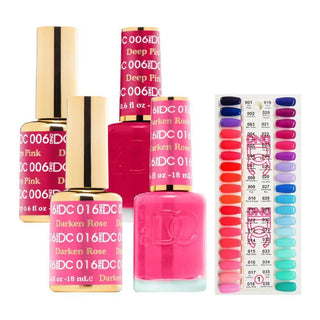
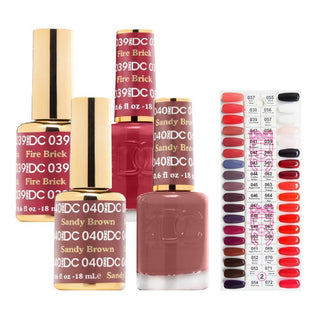
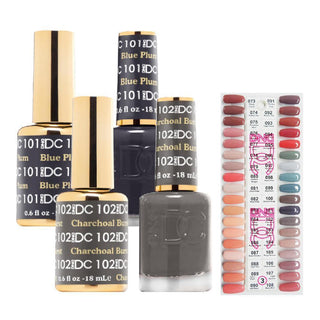
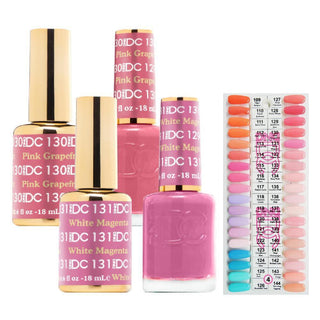
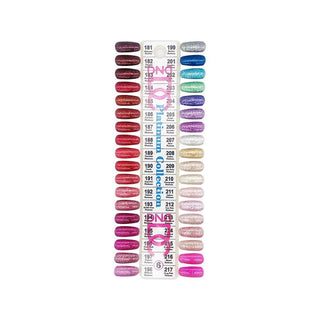
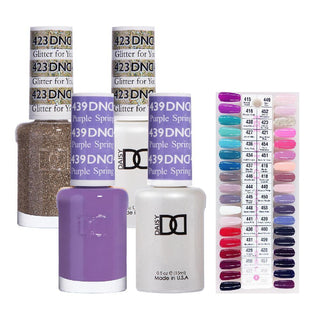
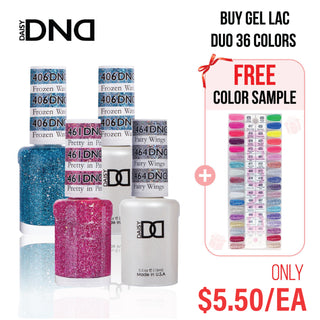
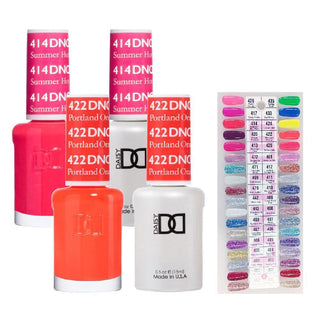
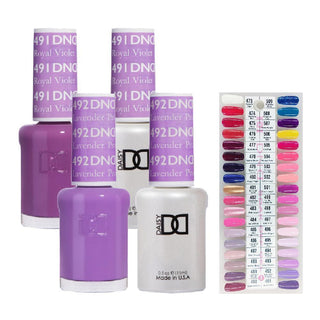
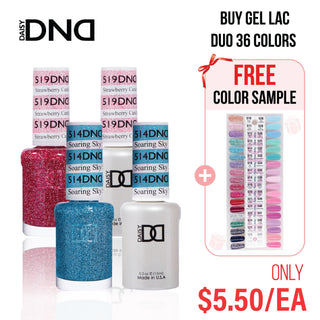
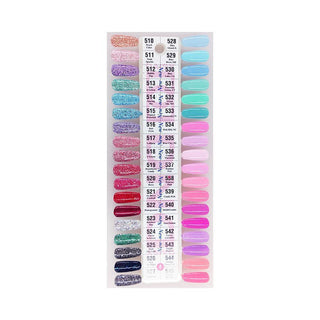
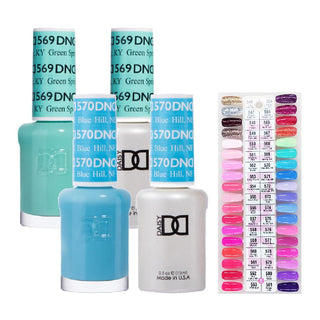
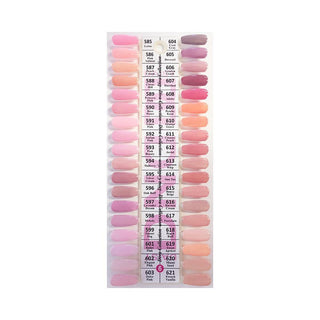
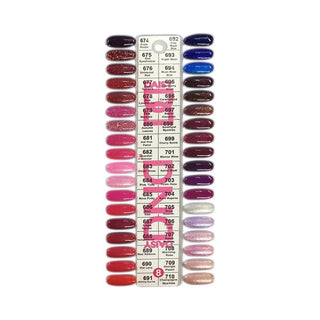
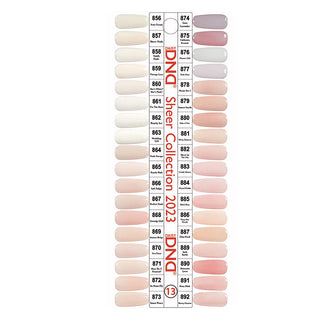
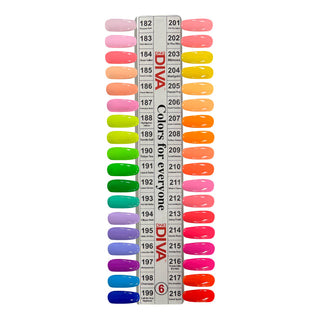
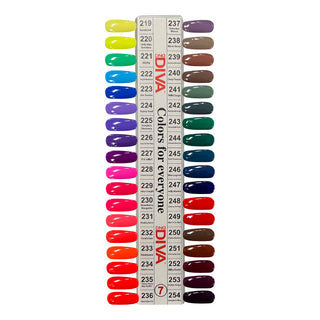
| Colour swatch options | Offered on 17 listings | Display material that matches the stock exactly |
Why a salon buys a whole line
Consistency. One chart means every station cures the same way, every client card number means the same thing at every chair, and a tech moving between tables does not have to relearn how a bottle behaves. It also removes the slow drift that happens when a wall is built shade by shade over years: forty near-identical nudes, three reds nobody can tell apart, and no way to answer a client who asks for the colour she had last spring.
The cost is exposure to one supplier. If a line changes its formula, discontinues numbers, or runs short, the whole wall is affected at once, which is why most salons that standardise keep a second, smaller line for specialty work.
On pricing
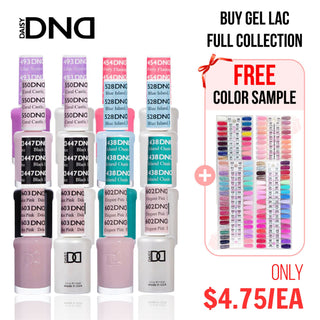
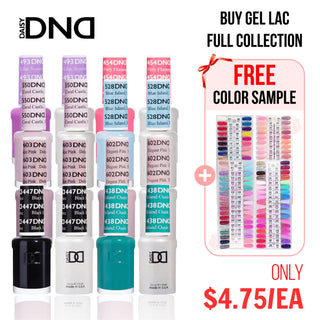
The large DND line purchases here do work out below the price of the same duos bought individually, checked against the current single duo price on 2026-09-23. That is not true of every listing on the page: some collection parts are priced at the same per-duo rate as the singles, so the arithmetic is worth doing on the specific listing rather than assumed. Nothing here is a markdown and nothing is being cleared; these are volume purchases at their normal wholesale prices.
Buying a line in blocks
- Start with the part that matches the salon's palette. The collection parts are grouped by character, so the first block should be the one the client book already asks for.
- Add swatch material at the same time. Seventeen listings offer colour swatches as an option, and a chart without a display is unusable.
- Plan the shelf before the box. Two hundred duos need a home that is not a sunny window or a hot cupboard.
- Move the client cards across deliberately. Match existing favourites to their nearest number in the new chart before the switch, not during an appointment.
- Keep the old wall until the new one is bedded in. Clients rebook on colour, and a missing shade is a lost appointment.
- Check availability. Nine listings here are out of stock, and a part that is missing changes the order.
What a duo line gives that a gel-only line does not
- Hands and toes match without the tech matching by eye across two brands.
- Retail is possible, because the lacquer half can go home with the client.
- One number per shade on the client card, whichever service she books.
- A pedicure rack and a gel wall can be stocked from the same order.
- Expect a small finish difference: gel cures harder and glossier and reads a shade deeper than its lacquer twin.
Storage and rotation at this scale
A few hundred bottles is a stock problem as much as a colour one. Gel cures slowly in ambient light and thickens near heat, so the working stock belongs on the wall and the rest in a dark, cool cupboard, rotated forward so the oldest bottle is used first. Keep the boxes and the printed number lists, which are what make a stock check or a reorder quick a year later. Wipe necks before capping, and keep the lacquer halves upright so they do not seize shut.
When a full line is the wrong purchase
A three-chair salon that uses forty shades in a quarter does not need five hundred. The test is how many numbers appear on client cards over three months: if the answer is well under a hundred, a collection part or a set of six-duo groups will serve better than a full chart, and the money is better spent on depth in the shades that actually get booked. A full line pays off when several stations need to be identical, when a salon is opening a second site, or when the chart itself is the selling point.
Switching a wall from one chart to another
The changeover is where salons lose clients, and it is avoidable with two weeks of preparation. Swatch the new chart onto sticks, lay each stick beside the shade it replaces from the old wall, and write both numbers on every active client card before a single bottle is retired. Then run both walls together for a month: new clients are booked on the new numbers, existing ones are moved at their next appointment, and nobody is told that her colour has gone. By the end of the month the old wall is down to a handful of bottles that can be used up or kept as spares.
The part that is easy to forget is the team. A tech who has worked a chart for years knows it by position rather than by number, and a new wall makes everyone slower for a fortnight. Building the display in the same layout as the old one, families in the same places, removes most of that.
Display material matters at this size
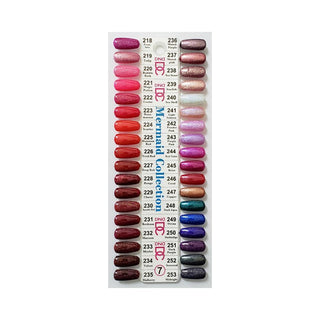
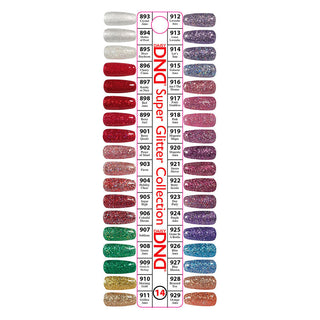
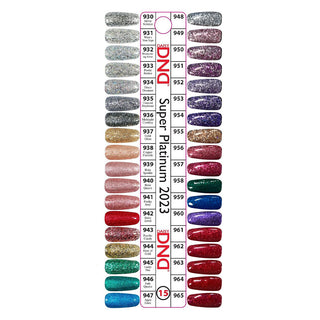
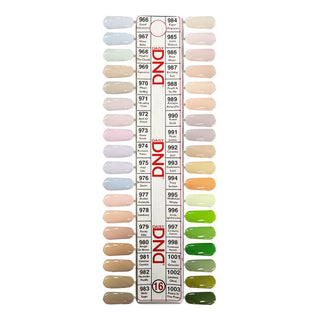
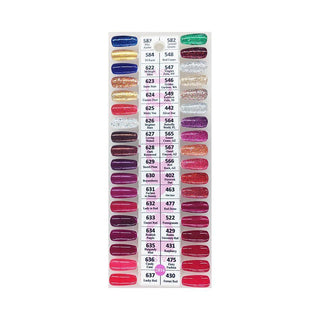
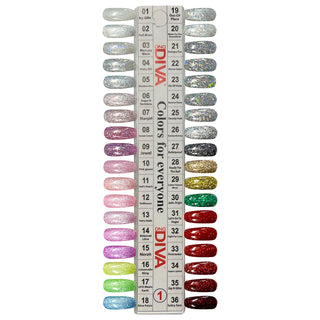
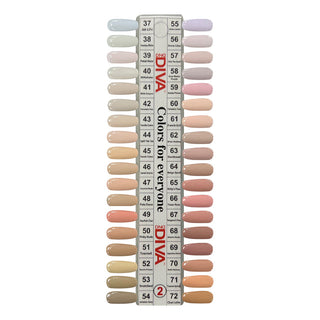
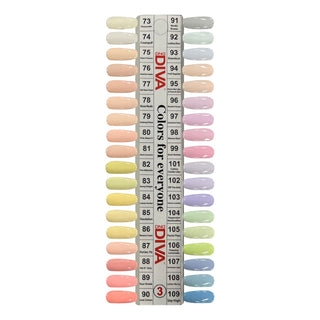
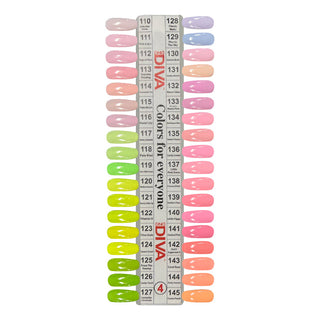
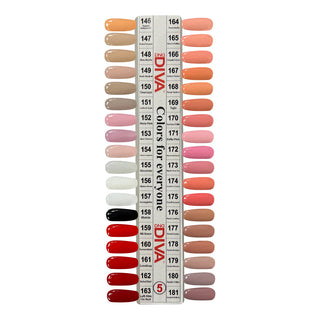
A chart of several hundred duos is unusable without a proper swatch display, which is why the colour swatch option on many of these listings is worth taking at the same time as the stock. Painted sticks or tips in number order let a client choose in a minute from a range that would take twenty minutes to show in bottles, and they keep the actual bottles out of client hands. Rebuild the display when a part of the line changes, and repaint any swatch that has faded, because a display that no longer matches the bottle is worse than no display at all.
Wholesale pricing at ND Nails Supply
Every bundle on this page ships at wholesale pricing for everyone, with no business license, no minimum order, and no membership fee. Free shipping on orders $100+, and in-stock sets ordered before 2pm PT on weekdays leave the same day.