





Frequently asked questions
What is in a Gel-Ohh Jelly Spa Bath kit?
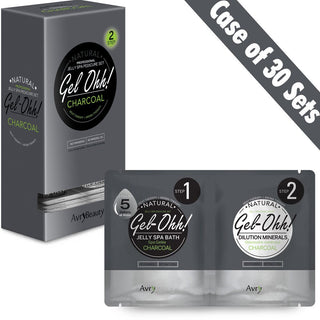
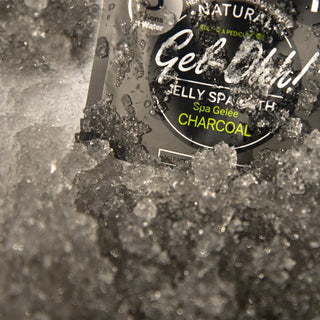
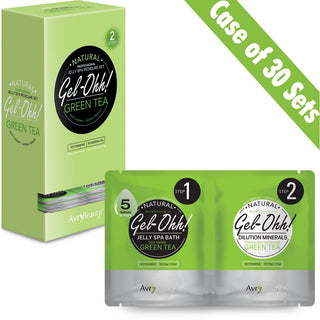
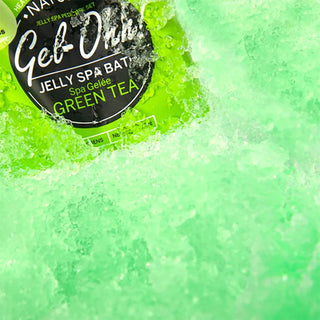
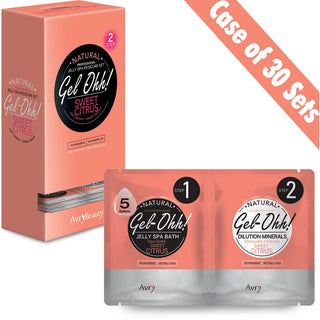
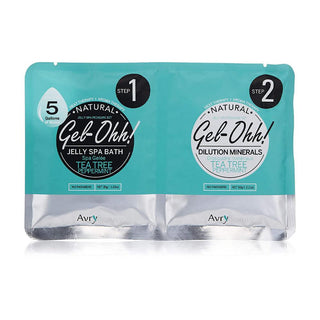
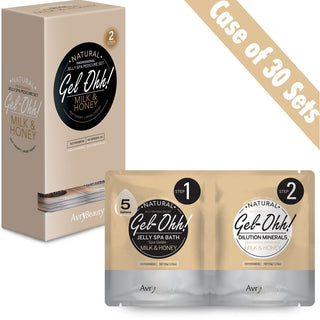
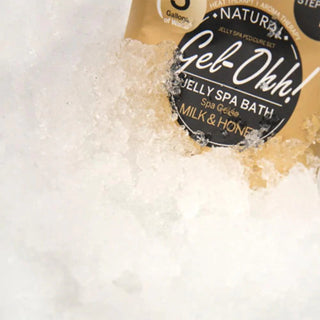
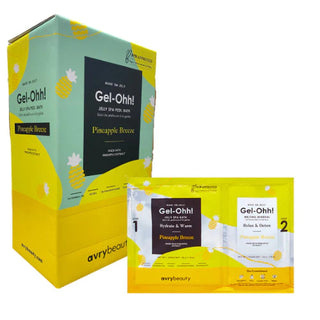
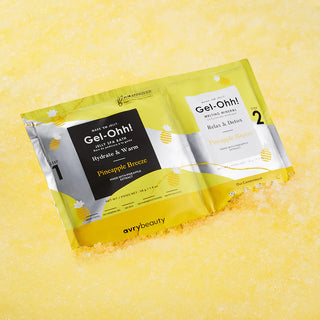
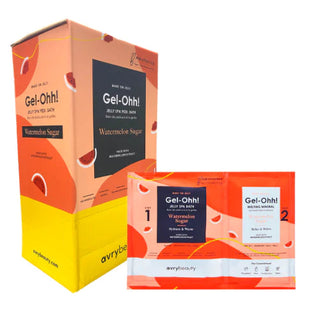
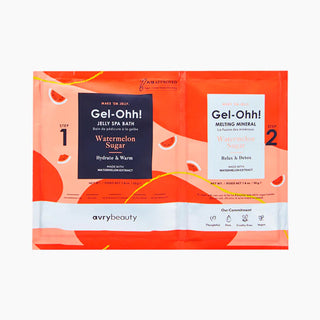
Two sachets: 50 g of jelly bath powder and 50 g of dilution mineral. The powder is stirred into a warm foot bath and thickens the water into a soft jelly for the soak; the dilution mineral goes in afterwards and returns the jelly to a liquid so the bowl can be drained. The brand describes the kits as vegan, biodegradable, and free of parabens, phthalates, and triclosan. Each kit serves one client and is thrown away, which is what makes it a single-use service.
How long does a jelly pedicure take?
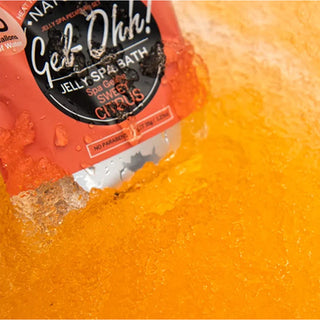
It replaces the soak rather than adding a step, so it costs a salon almost no extra chair time. The sequence runs about ten to twenty minutes: stir the powder into the warm bath, soak five to ten minutes, massage the feet and lower legs while the jelly holds its warmth, add the dilution mineral and soak another five to ten minutes, then rinse and drain. One rule from the instructions: keep the jets off while the water is in its jelly state, since the thickened bath will strain a pump.
Single kits or the case of 30?
Singles to trial a scent, to run jelly as an occasional upgrade, and to keep one of each on the shelf for the client to choose. The case of 30 is for the scent that actually sells, once a salon knows which two or three its clients pick. Stocking two scents deep beats stocking eight shallow, because a long scent list slows the consultation and leaves part-used boxes in the cupboard. Keep the boxes dry and away from steam, since the powder is designed to absorb water.
Which scents should a salon carry?
Pick for range rather than for personal taste. A citrus or fruit scent such as Sweet Citrus, Mango Tango, Pineapple Breeze, or Watermelon Sugar reads fresh and suits summer. Rose and Jasmine Bliss read as the spa option. Green Tea and Milk and Honey are the safe middle almost nobody refuses. Charcoal and Tea Tree suit clients who want the pedicure to feel purposeful, and Cannabis Sativa carries the hemp positioning some client books ask for by name. Two or three at a time, rotated seasonally, is enough.
What is on the Jelly Spa Bath page
22 Avry Beauty listings at wholesale: 11 scents of the Gel-Ohh Jelly Spa Bath, 7 shea butter lotions in the 1.5 oz size, and 4 shea gloves. Six of the 22 are out of stock as this page was written. The jelly is the reason most salons land here. Each kit holds 50 g of jelly bath powder and 50 g of dilution mineral, turns a bowl of warm water into a soft jelly for a soak, and is thrown away after one client, which is what makes it a single-use service rather than a tub that has to be sanitized between feet.
The kits and what is in them
| Item | Scents listed | Contents | How it is sold |
|---|---|---|---|
| Gel-Ohh Jelly Spa Bath | Mango Tango, Jasmine Bliss, Charcoal, Green Tea, Sweet Citrus, Tea Tree, Cannabis Sativa, Rose, Milk and Honey, Pineapple Breeze, Watermelon Sugar | 50 g jelly bath powder plus 50 g dilution mineral | Single kit or case of 30 |
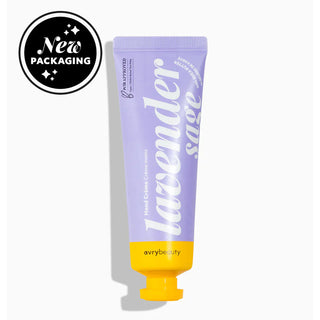
| Shea butter lotion 1.5 oz | Green Tea, Lavender Sage, Milk and Honey, Rose Water, Shea Butter, Ylang Ylang, Champagne Hour | Single-use lotion for the massage step | Single |
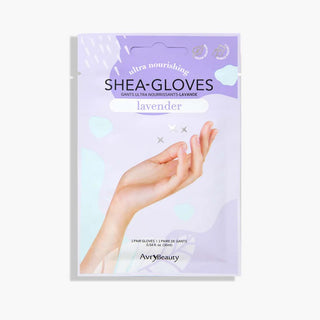
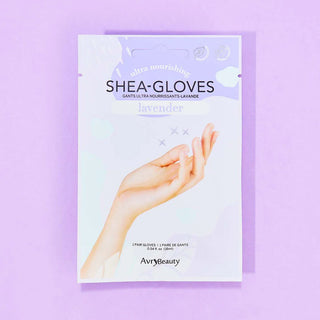
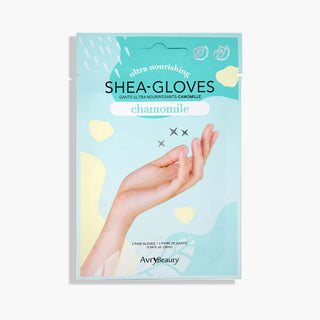
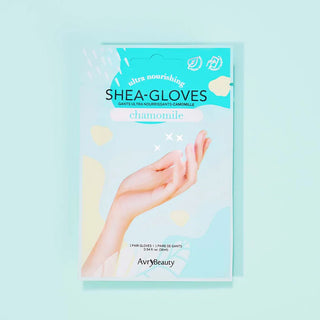
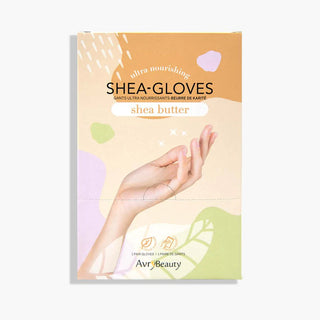
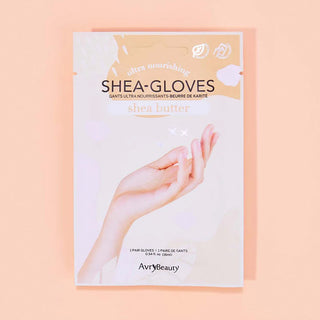
| Shea glove | Lavender, Chamomile, Cannabis Sativa, Shea Butter | Treatment glove for the hand service | Single |
The brand describes the jelly as vegan and free of parabens, phthalates, and triclosan, and the kits as fully biodegradable.
How a jelly pedicure runs
- Mix the jelly. Pour the jelly bath powder into a warm foot bath and stir; the water thickens into a soft jelly within a minute or two.
- Soak. Five to ten minutes in the jelly, which holds warmth longer than plain water and is where the client notices the difference.
- Massage. Work the feet and lower legs while the jelly is still warm.
- Add the dilution mineral. The second sachet returns the jelly to a liquid, and the client soaks another five to ten minutes while it does.
- Rinse. Warm water over the feet, then drain the bowl and wipe it out.
One operating note from the instructions: do not run the jets while the water is in its jelly state. The jelly is thick enough to strain a pump, and the dilution mineral exists precisely so the bowl can be drained normally at the end.
Why salons put jelly on the menu
Three reasons, in the order they usually matter. It is visible: a client can see that the bath was made for her and thrown away afterwards, which answers the hygiene question before it is asked. It upgrades a service without adding much time, since the jelly replaces the plain soak the pedicure already included rather than adding a step. And it is a single-use consumable with a predictable cost per client, which makes it simple to price into a menu tier.
The practical fit is a mid or upper pedicure tier: the basic pedicure stays as it is, the next tier up is the jelly, and the top tier adds the scrub, mask, and massage steps. That structure lets a salon raise the average ticket without retraining anyone.
Single kit or case of 30
- Single kits are for trying a scent, for a salon that offers jelly as an occasional upgrade, and for keeping one of each scent on the shelf so the client can choose.
- Cases of 30 are for the scent that sells. Once a salon knows which two or three scents its clients pick, the case is the format that keeps the service running.
- Stock two scents deep, not eight. A long scent list slows the consultation and leaves eleven part-used boxes in the cupboard.
- Keep the boxes dry. The powder is hygroscopic by design; a box stored near a steamer or under a sink will clump.
- Check what is in stock before building the menu. Scents move in and out, so a menu that names one scent is a menu that will need reprinting.
Choosing scents for a menu
Scent is the whole marketing of this service, so pick for range rather than for personal taste. A citrus or fruit scent such as Sweet Citrus, Mango Tango, Pineapple Breeze, or Watermelon Sugar reads fresh and suits summer. A floral such as Rose or Jasmine Bliss reads as the spa option. Green Tea and Milk and Honey are the safe middle that almost nobody refuses. Charcoal and Tea Tree read as the clean, purposeful choice for clients who want the pedicure to feel like maintenance rather than a treat, and Cannabis Sativa carries the hemp-oil positioning that some client books ask for by name.
Two or three on the menu at a time is enough, rotated seasonally, with the rest ordered as singles when a regular asks for one.
The lotions and gloves alongside
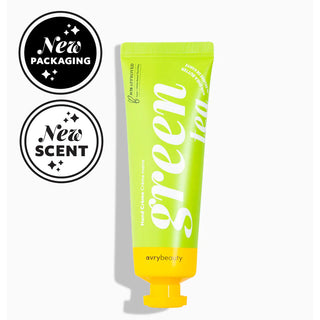
The 1.5 oz shea butter lotions are the massage step of the same service in a single-use size, which keeps a salon from running a pump bottle between clients, and they are listed in seven scents so the lotion can match the jelly. The shea gloves extend the same idea to the hands: a treatment glove worn while the feet soak turns a pedicure into a hand-and-foot service without occupying a second technician. Both are the cheapest way to make a pedicure feel like a package, because the client sees a sealed pack opened in front of her each time.
Cleanup, disposal, and the bowl
The dilution mineral is the part that matters for plumbing. Jelly poured into a drain is a maintenance call waiting to happen, so the fourth step is not optional: dissolve the jelly, then drain. After the bowl empties, wipe it out and run the normal disinfection the salon already uses between clients, since the jelly replaces the soak, not the sanitation protocol. A liner in the bowl makes the whole cycle faster and keeps the jelly off the acrylic surface.
What the client actually notices
Three things, and none of them is the ingredient list. The first is the pack being opened in front of her, which reads as a bath made for one person. The second is heat: the jelly holds warmth longer than plain water, so the soak stays comfortable through the massage instead of going tepid halfway. The third is the texture, which is unfamiliar enough that clients tell other people about it. That last point is why this service sells itself on a menu board with nothing more than a photograph and a scent name.
Pricing a jelly upgrade into the menu
The arithmetic is simple enough to do on the back of an order form, and it is the reason this service spreads. The jelly is a fixed cost per client with no waste, no portioning, and nothing left in a tub to throw away at closing. A salon that adds it as an upgrade tier prices the tier so the increase comfortably covers the pack and the extra minute of setup, then leaves the basic pedicure untouched so there is a visible ladder on the menu board. Clients who would never ask for a more expensive pedicure will choose an upgrade they can see being opened.
Where salons get this wrong is by folding the jelly into the standard pedicure to look generous. That converts a chargeable upgrade into an unpaid cost on every ticket, and it removes the reason a client trades up. Keep it as its own line on the menu, name the scent of the month on the board, and let the pack do the selling.
Common mistakes with jelly baths
- Water too hot. Very hot water sets the jelly unevenly and is uncomfortable for a ten-minute soak. Warm, not hot, is what the instructions call for.
- Jets left on. The thickened bath strains a pump, and it is the one instruction on the pack that protects equipment.
- Skipping the dilution mineral. Jelly sent down a drain is a plumbing call, and the second sachet exists to prevent exactly that.
- Storing the boxes in a damp cupboard. The powder is made to absorb water, so a box near a steamer or under a sink will clump before it is opened.
- Treating the jelly as sanitation. It replaces the soak, not the disinfection protocol; the bowl still gets its normal clean between clients.
- Over-ordering scents. Eleven half-used boxes serve nobody. Two or three deep, rotated by season, is the pattern that works.
Wholesale pricing at ND Nails Supply
Avry Beauty jelly kits, lotions, and gloves ship at wholesale pricing for everyone, with no business license, no minimum order, and no membership fee. Free shipping on orders $75+, and in-stock cases ordered before 2pm PT on weekdays leave the same day.