






Frequently asked questions
Why does a lacquer manicure need a base coat?
It does three jobs at once: gives the polish something to grip, evens a ridged or porous plate so the colour lies flat, and blocks the pigment that would otherwise stain the nail. The staining is what clients notice, because a red or a wine worn without a base leaves a yellow tint that takes weeks to grow out and is always blamed on the polish. Skipping the base to save a minute is the most expensive shortcut on the service.
What is a bonder base for?
Clients whose polish lifts within a day, very smooth nail plates, and toes that go straight into a shoe. A bonder grips harder than a standard base, which is why the Orly bonder on this page is listed in 0.6 oz alongside 8 oz and 32 oz salon sizes: it is the bottle a busy pedicure column empties first. It is not a substitute for prep, though, since polish laid over oil or cream will lift whatever base is underneath.
Which top coat should a salon use?
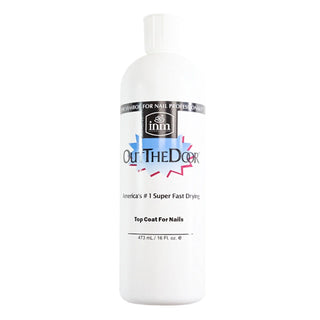
A standard top for gloss on a manicure that has time to dry, a fast-drying top such as the Out The Door listing for the pedicure chair and any client leaving immediately, and a matte top as a third bottle, because it turns every colour already on the rack into a second look. Replace a thickened top rather than thinning it with remover, which breaks the formula and leaves a finish that never fully hardens.
Why does a set mark hours after it felt dry?
Because a heavy coat skins over while staying soft underneath, so the surface feels dry to a fingertip while the layer below is still setting, and a shoe or a coat sleeve presses a mark into it. Thin coats, still air for a couple of minutes, drying drops, and toe separators until the client leaves prevent nearly all of it. The other common causes are oil under the base coat and a free edge that was never capped.
What is on this page
12 air-dry base and top coats at wholesale from four lines: OPI with five listings, Orly with three, INM with two, and Seche with two. Five are out of stock as this page was written. These are the bottles that sit either side of a lacquer manicure or pedicure: the base that stops staining and holds the colour on, and the top that gives the shine and decides how fast a client can leave.
The bottles on this page
| Product | Line | What it does |
|---|---|---|
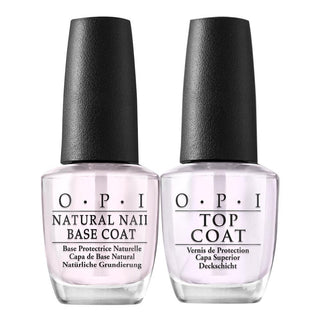
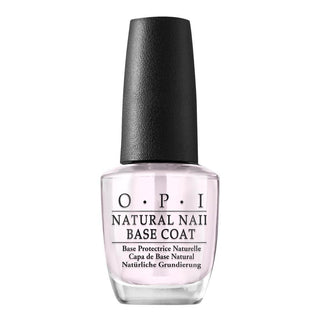
| Base coat | OPI | The standard base under any lacquer, which is what prevents staining |
| Base and top coat in one | OPI | A single bottle for a station with limited space |
| Top coat | OPI | Gloss and protection over the colour |
| Matte top coat | OPI | Turns any colour on the rack into a second finish |
| Bonder base | Orly, in 0.6 oz, 8 oz and 32 oz | A grippier base for clients whose polish lifts, with salon refill sizes |
| Fast-drying top coat | INM, in 0.5 oz and 16 oz | The quick-dry finish that gets a pedicure client out of the chair |
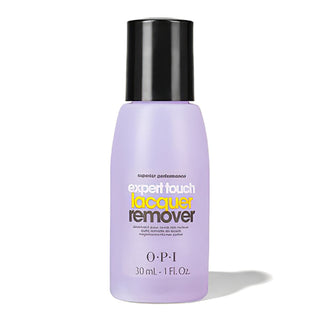
| Remover | OPI, 1 oz | Listed here for prep and clean-up around the cuticle |
Why the base matters more than clients think
A base coat does three jobs at once: it gives the lacquer something to grip, it evens out a ridged or porous plate so the colour lies flat, and it blocks the pigment that would otherwise stain the nail. That last one is what clients notice, because a red or a wine worn without a base leaves a yellow tint that takes weeks to grow out and is always blamed on the polish. Skipping the base to save a minute is the single most expensive shortcut on a lacquer service.
A bonder base is a step further: grippier than a standard base and useful for clients whose polish lifts within a day, for very smooth nail plates, and for toes that go straight into a shoe. The salon sizes exist because it is the bottle a busy pedicure column empties first.
Choosing a top coat
- Standard top for gloss and protection on a manicure that has time to dry properly.
- Fast-drying top for the pedicure chair and any service where the client is leaving immediately.
- Matte top to double the looks available from a rack the salon already owns.
- A separate bottle for retail, so nothing half used goes across the counter.
- Replace rather than thin. A thickened top drags the colour beneath it and never fully hardens.
A lacquer service, layer by layer
- Prep dry. Push back, shape, buff lightly, then wipe the plate with remover so no oil or cream is left.
- Base coat. One thin coat over the whole plate, capping the free edge.
- Two colour coats. Thin, each allowed to set, capping the edge each time.
- A third coat only for pale shades. Deep colours laid three times stay soft for an hour.
- Top coat. One generous coat over the nail and across the free edge.
- Dry properly. Still air, then drying drops, and separators on a pedicure until the client leaves.
Why a lacquer set marks or chips
Four causes, in order of frequency. Oil under the base, usually from hand cream or cuticle oil applied before the colour rather than after it. Coats laid too thick, which skin over and stay soft underneath for hours, so the set prints against a shoe or a coat sleeve long after it feels dry. A free edge that was not capped, which is where every chip on a hand starts. And a thickened top coat that drags the colour under it. None of those is the fault of the colour, and all four are fixed by sequence rather than by a new bottle.
Refill sizes and where they belong
The Orly bonder and the INM fast-drying top are both listed in salon sizes as well as working bottles, which suits a busy pedicure column where a small bottle empties in a fortnight. Decant into a working bottle rather than dipping from the large one, keep the refill capped and out of the sun, and date the working bottle so it is replaced rather than topped up indefinitely. A large bottle only saves money if the salon is certain it will keep using that product, because lacquer bases and tops thicken once opened and a half-used 32 oz bottle at the back of a cupboard is not a saving.
Storage
Wipe the neck of every bottle with remover before the cap goes on so it seats cleanly and the bottle does not skin, stand them upright, and keep them away from the window and the radiator, because heat and light age a lacquer base or top faster than use does. Roll rather than shake before use, since shaking puts bubbles into the coat. Where a bottle has thickened, use a proper thinner rather than remover, which breaks the formula and leaves a finish that never fully hardens.
One bottle or two
The base-and-top-in-one listing is a real option for a station with limited space or a mobile tech, and a compromise everywhere else. A combined bottle cannot be optimised for both jobs: a good base grips and blocks pigment, a good top is hard and glossy, and a single formula sits between the two. Where a salon does a lot of colour work, two bottles will hold better and shine longer. Where the service is occasional, or where the kit has to fit in a bag, the single bottle is a sensible simplification rather than a corner cut.
Wholesale pricing at ND Nails Supply
Every bottle on this page ships at wholesale pricing for everyone, with no business license, no minimum order, and no membership fee. Free shipping on orders $75+, and in-stock bottles ordered before 2pm PT on weekdays leave the same day.