


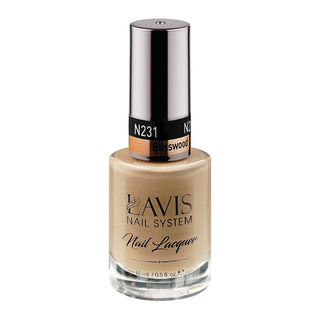
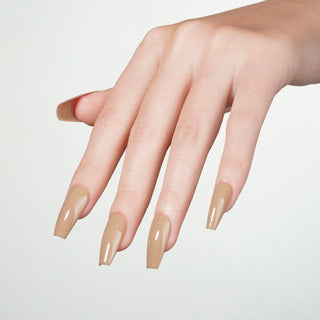
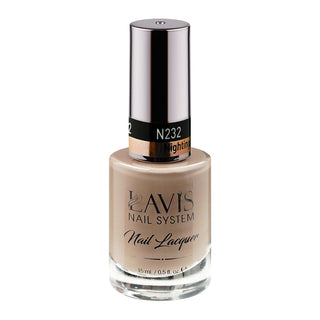
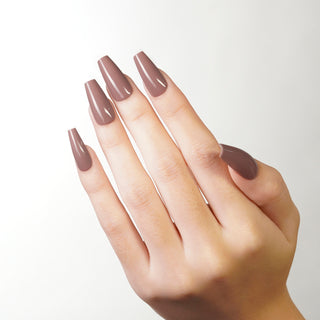
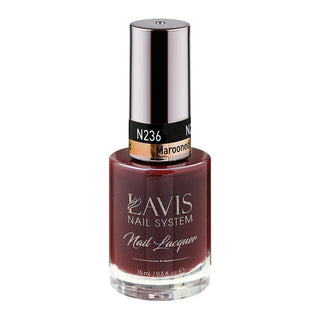
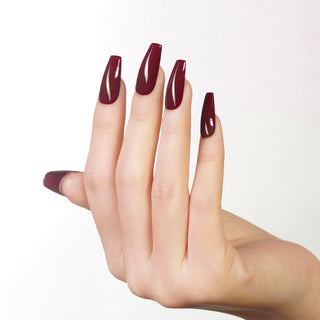
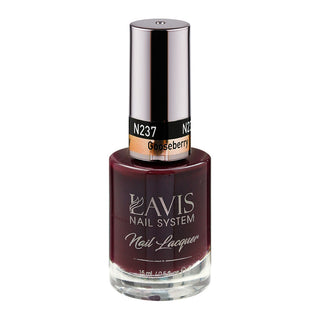
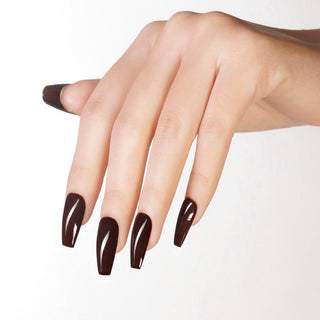

Frequently asked questions
Which lines are on the fall lacquer page?
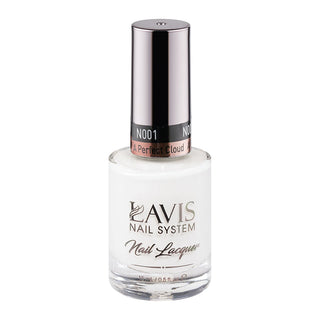
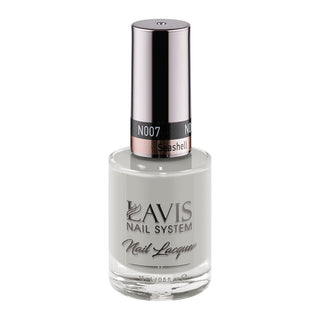
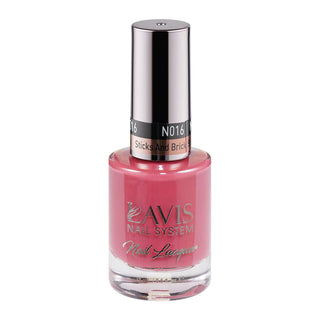
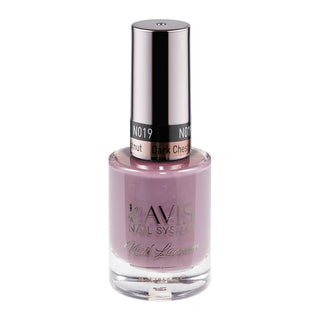
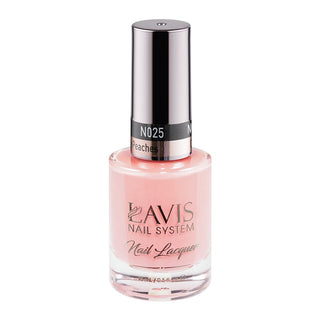
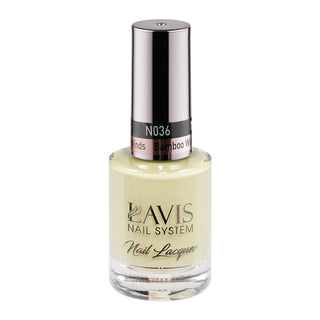
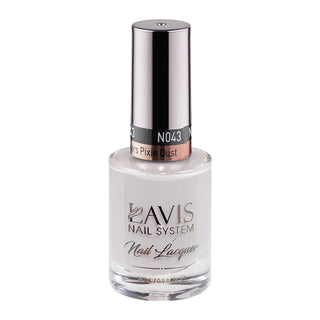
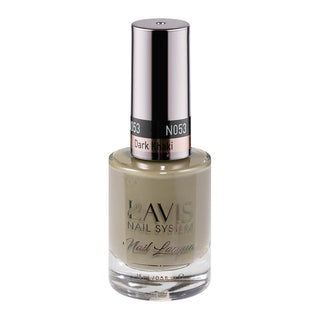
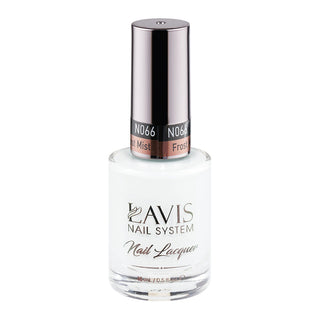
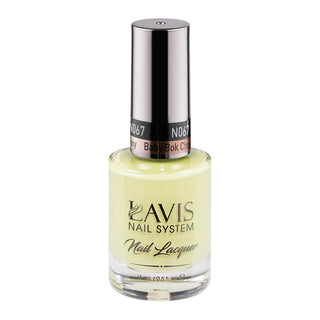
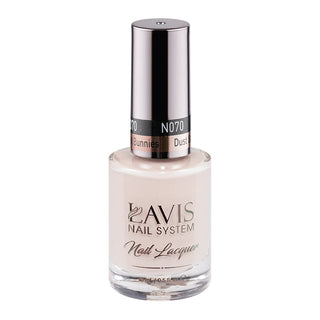
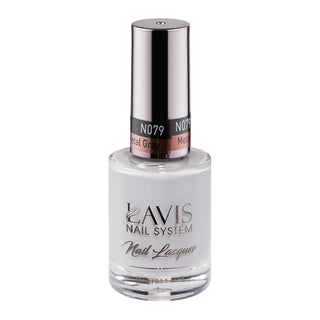
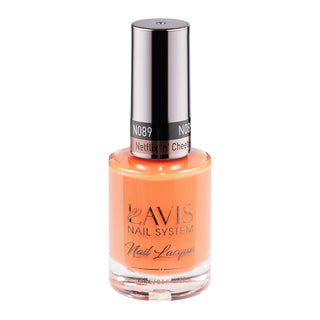
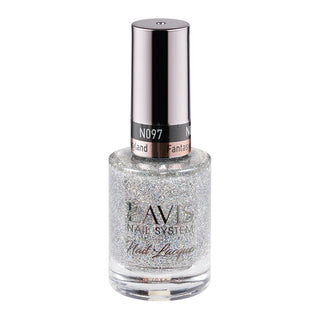
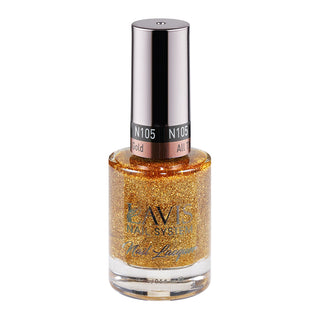
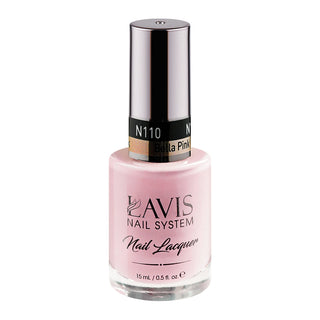
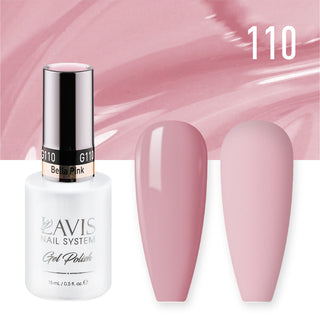
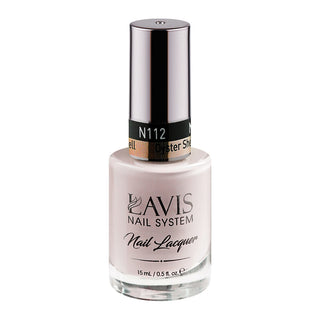
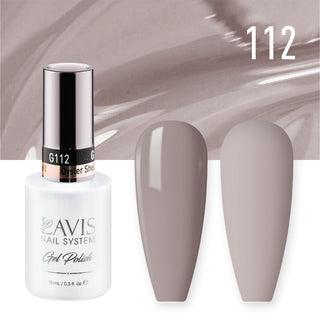
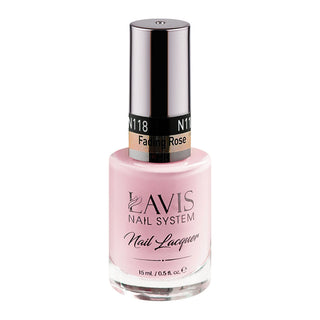
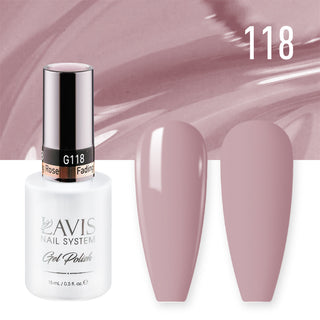
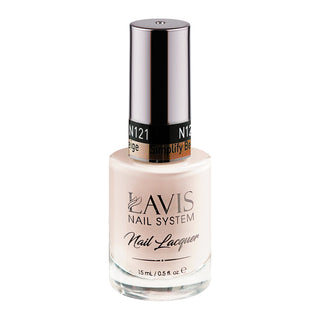
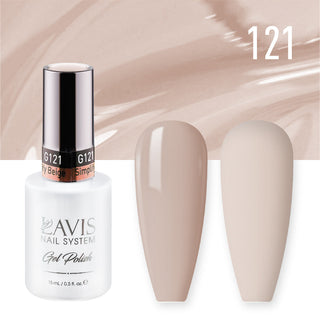
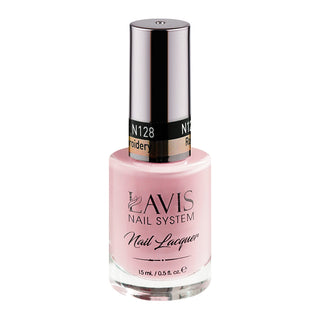
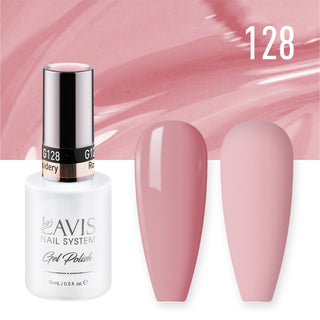
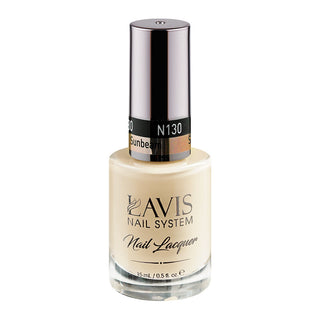
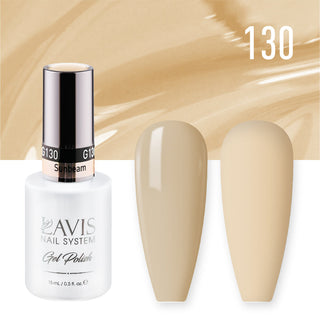
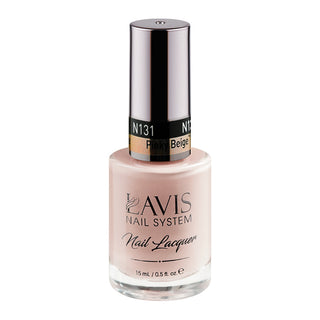
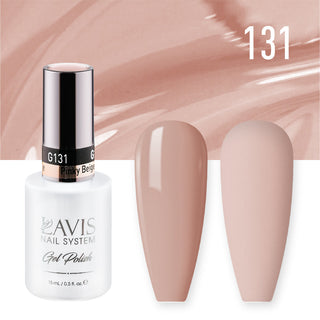
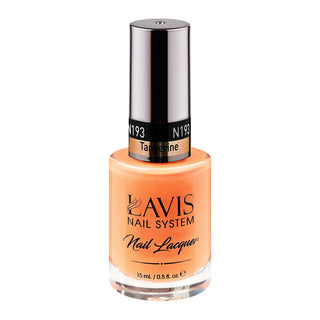
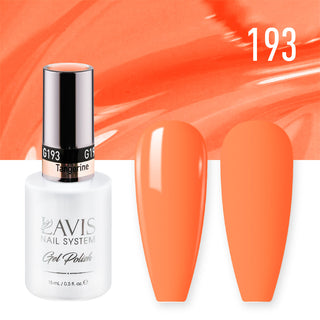
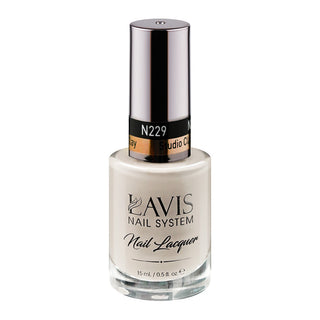
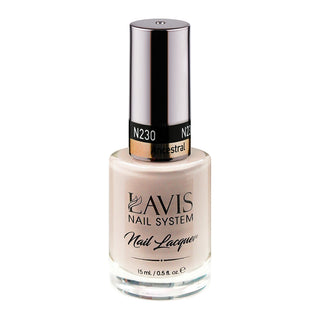
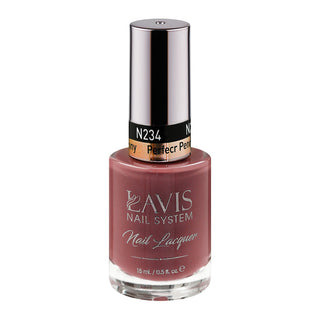
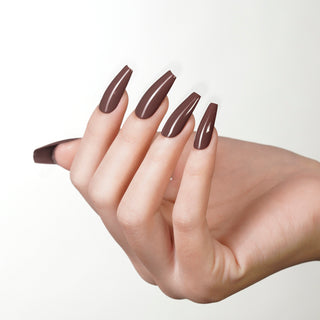
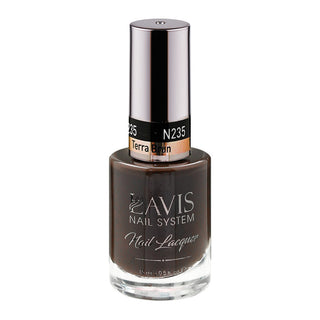
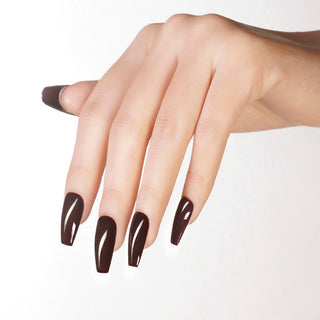
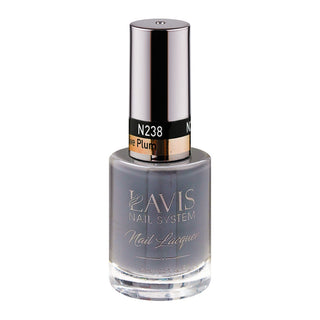
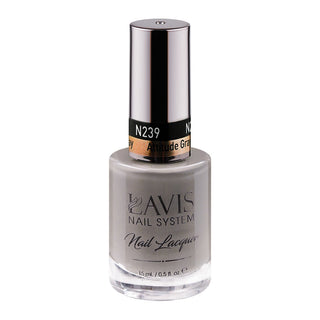
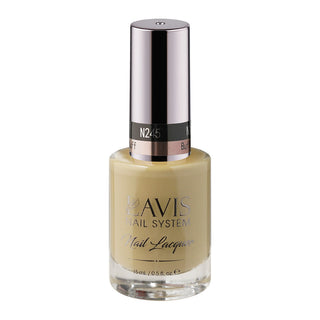
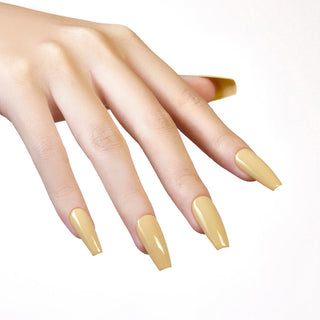
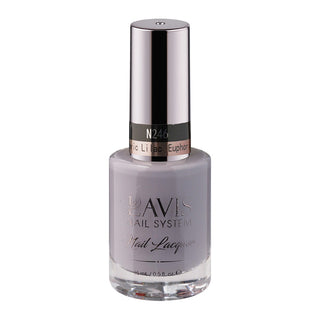
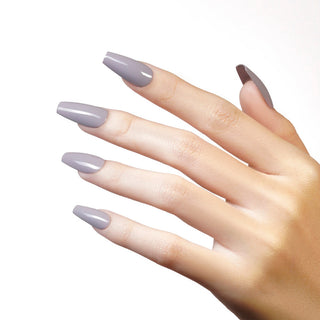
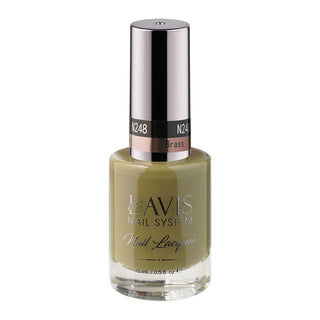
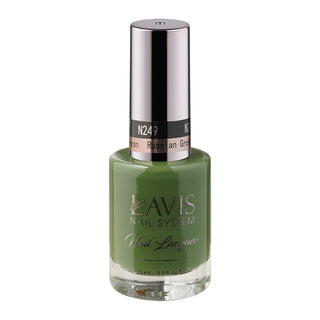
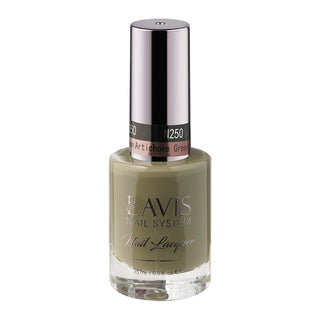
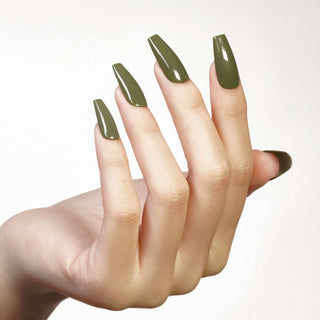
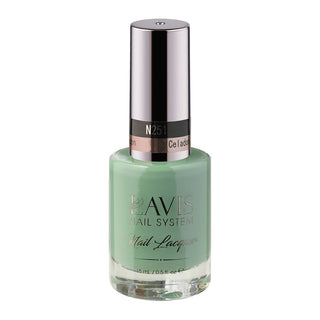
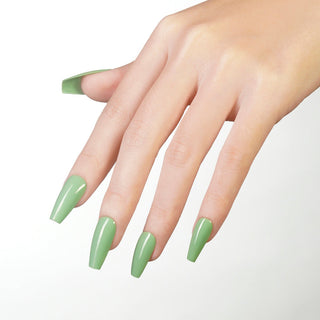
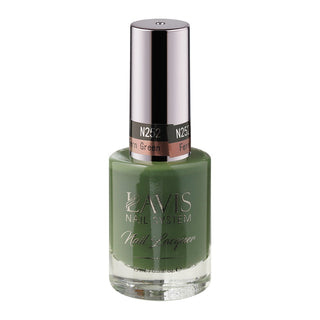
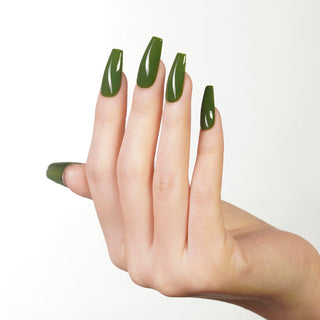
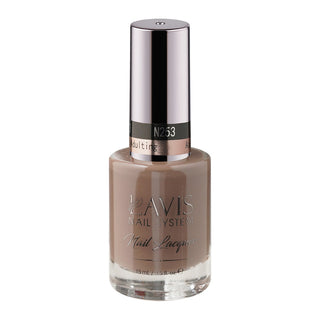
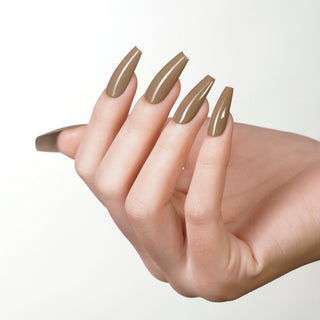
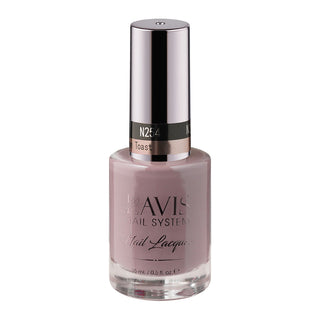
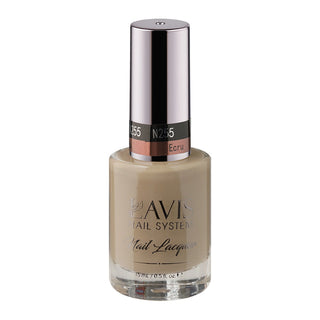
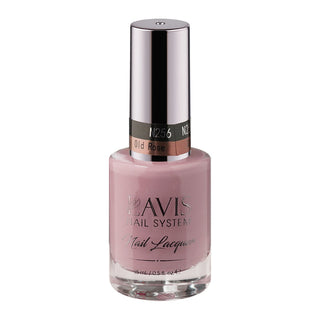
Mainly three. OPI brings 81 bottles from the named autumn drops and the metallic mix, LAVIS 72 including the Modern Neutrals grouping and the matching half of gel shades many salons already run, and LDS 48 value-priced numbers such as A Perfect Cloud, Seashell, and Sticks And Bricks. Forty-five of the 202 are out of stock at the time of writing. The Modern Neutrals and metallic groups are worth displaying as sets rather than filing into the rack by number.
How does a lacquer rack change in autumn?
It stops being a pedicure rack. From September the pedicure column slows, closed shoes go on, and the same bottles start earning through fast manicures between gel appointments, retail bottles as gifts from November, and the toe colour clients still want under boots. The buying changes with it: fewer brights, more warm neutrals and deep shades, a navy or deep green instead of black, one metallic for the party season, and a classic red that sells in every month.
Why does an autumn manicure mark rather than chip?
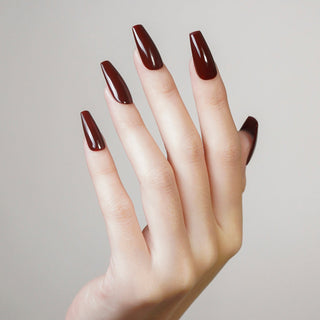
Because a heavy coat skins over while staying soft underneath, so a set that felt dry at the desk prints against a coat sleeve, a glove, or a car door within the hour. Thin coats, proper drying time, and drying drops rather than a fan alone prevent it. The other autumn problem is staining from deep reds and wines, which a base coat prevents and which is fixed afterwards with a buff and a few days of cuticle oil rather than anything harsh.
Which bottles are worth buying deep?
The winter crossovers and the classics. On this page 40 bottles are also tagged for winter, 29 for summer, and 24 for spring, and a taupe, a wine, and a classic red are ordered from September through February. Thirty-three listings carry the clearance tag, which means they sell at their regular price until the stock is gone and are not reordered, so a bottle that has become a client's regular shade should be bought in pairs or matched to a restocked neighbour.
What is in the fall nail lacquer collection
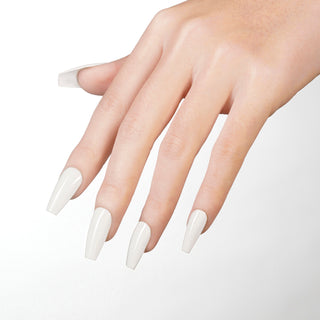
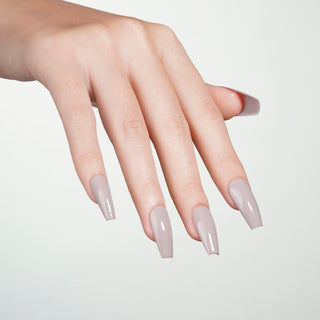
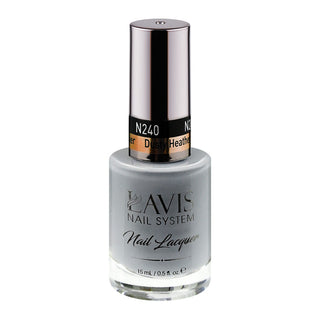
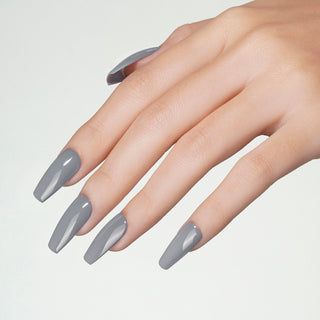
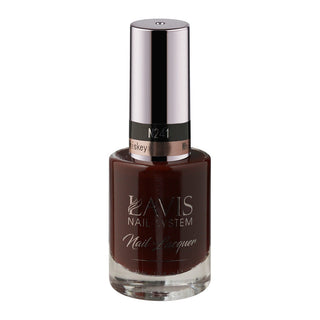
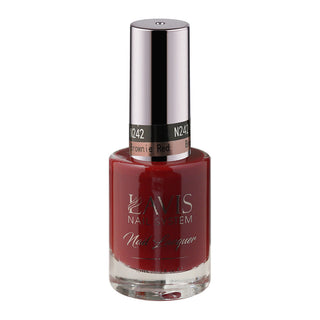
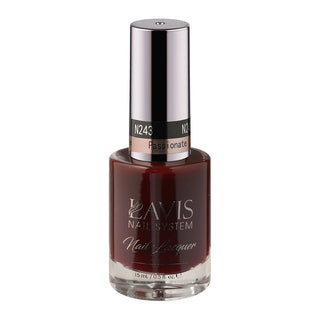
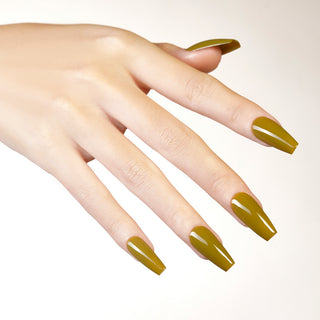
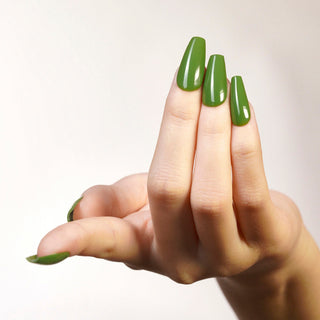
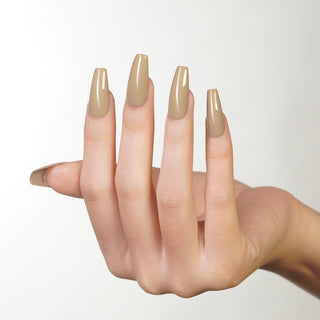
202 air-dry lacquers at wholesale, tagged for fall and drawn mainly from three lines: OPI with 81 bottles, LAVIS with 72, and LDS with 48. Forty-five are out of stock as this page was written. These are the bottles that need no lamp, which makes them the pedicure rack, the retail shelf, and the fast service for a client who wants colour in twenty minutes.
The lines and where they sit
| Line | Bottles | Role on an autumn rack |
|---|---|---|
| OPI | 81 | The named autumn drops and the metallic mix, the shades clients ask for and buy to take home |
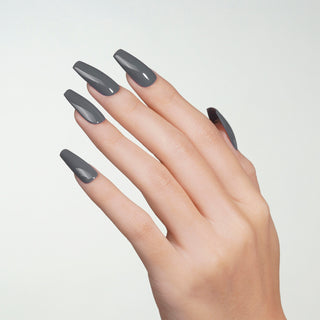
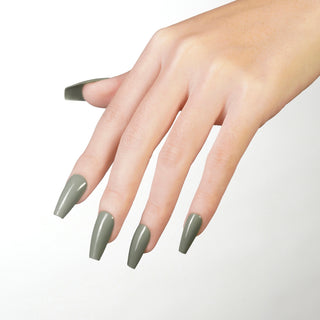
| LAVIS | 72 | The Modern Neutrals grouping and the matching half of gel shades many salons already run |
| LDS | 48 | Value-priced numbers such as A Perfect Cloud, Seashell, and Sticks And Bricks |
Thirty-nine of these bottles belong to the Modern Neutrals grouping and twelve to the OPI metallic mix, and both are worth displaying as sets rather than filed into the rack by number.
Autumn changes what a lacquer rack is for
In summer the rack lives in front of the pedicure chairs. From September the pedicure column slows down, closed shoes go on, and the same bottles start earning in three other ways: fast manicures for clients between gel appointments, retail bottles as gifts from November, and the toe colour that clients still want even though nobody sees it. The buying pattern changes with it. Fewer brights, more neutrals and deep shades, and one or two metallics for the party season.
What sells on an autumn rack
- Two warm neutrals, a taupe and a greige, which are the most-requested manicure shades of the quarter.
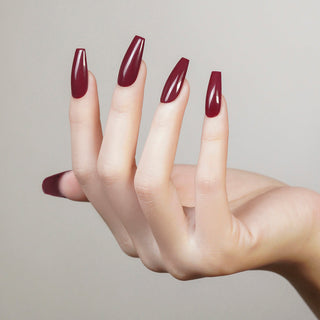
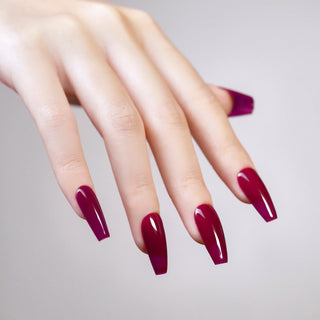
- A wine and a brick, the two colours clients name when they ask for an autumn shade.
- A navy or a deep green for the client who wants dark without black.
- One metallic, because the accent nail moves from glitter to chrome as the season goes on.
- A classic red, which is ordered in every month and doubles as the holiday shade.
- One sheer nude for clients on a break from gel who want their nails to look tidy.
A lacquer manicure that lasts the week
- Prep dry. Push back, shape, buff lightly, then wipe the plate with remover so no oil or cream is left under the colour.
- Base coat. One thin coat over the whole plate, which is what stops the staining that autumn reds and wines cause.
- Two colour coats. Thin, each one allowed to set, capping the free edge on both.
- A third coat only where needed. Deep shades cover in two; laying three keeps the set soft for an hour.
- Top coat. One generous coat over the nail and across the edge.
- Dry properly. Still air, then drying drops, and a warning about coat sleeves before the client puts her jacket on.
Why an autumn set marks rather than chips
Summer lacquer fails by chipping; autumn lacquer fails by marking. A set that felt dry at the desk prints against a coat sleeve, a glove, or a car door within the hour, because a heavy coat skins over while staying soft underneath. The fixes are thin coats, proper drying time, and drying drops rather than a fan alone. The other autumn problem is staining from deep reds and wines, which is prevented by a base coat and solved after the fact with a buff and a few days of cuticle oil rather than with anything harsh.
Retail season starts here
From November a lacquer rack becomes a gift shelf. The bottles that sell are the named shades a client has actually worn, so the two habits that matter are keeping retail stock physically separate from the service bottles, and writing the shade name on the receipt so a repeat order or a gift request takes seconds. A small display at the desk with three or four shades beats a wall of sixty at the back of the salon, because the sale happens while the client is paying rather than while she is choosing.
Shades that stay on the rack into winter
At ND many bottles carry more than one season tag, and on this page 40 are also tagged for winter, 29 for summer, and 24 for spring. The winter overlap is where depth belongs: a taupe, a wine, and a classic red are ordered from September through February. Thirty-three listings here carry the clearance tag, which means they sell at their regular wholesale price until the stock is gone and are not reordered, so a bottle that has become a client's regular shade should be bought in pairs or matched to a restocked neighbour.
Keeping bottles usable through the heating season
Autumn brings radiators, and heat ages lacquer faster than daylight. Keep the rack away from heat sources and out of the window, wipe every neck with remover before capping so it seats cleanly, and stand the bottles upright. Roll rather than shake before use, since shaking puts bubbles into the first coat. A thickened bottle is replaced or corrected with a proper thinner, never with remover, which breaks the formula and leaves a set that stays soft and marks against the first thing it touches.
Matching a lacquer to the gel the client already wears
Inside a line the lacquer and its gel twin are pigmented together, so the match is close; across lines it does not exist. Even within a line the finishes differ, because gel cures harder and glossier and reads a shade deeper, though the gap is smaller on autumn shades than on pastels. A swatch stick per shade with gel on one end and lacquer on the other settles it in a second at the chair and stops the tech repainting a pedicure that looked lighter than the hands.
Editing the rack twice a year
Lacquer goes out of fashion faster than it goes off, and an autumn order is the natural moment to edit. Pull anything untouched since the spring into a retail or discount basket, keep the space for the current drop, and resist the temptation to add rows. A rack of sixty bottles where fifteen are used weekly is a rack that needs editing rather than restocking, and the editing is exactly what makes the new seasonal shades visible when they arrive in the box.
Wholesale pricing at ND Nails Supply
Every bottle on this page ships at wholesale pricing for everyone, with no business license, no minimum order, and no membership fee. Free shipping on orders $75+, and in-stock bottles ordered before 2pm PT on weekdays leave the same day.