







Frequently asked questions
Which collections are on this page?
The lettered LAVIS collections and two LDS groups: C01 Jelly Jamboree, C02 Scarlet Bloom, C03 Pretty in Pearl, C04 Wildflower Whimsy, C05 Neon Obsession, C06 Maple and Mocha, C07 Pinktopia, C08 Glass Gala, C17 Glossy Touch, and the LDS Blossom Pink and Gentle White ranges. There are 301 listings in total, 289 from LAVIS and 12 from LDS, with 45 out of stock at the time of writing, and most collections are sold both as singles and as 24-colour sets.
What makes these a premium purchase?
The shades were developed as groups, so they sit together on a display without clashing, photograph as a range, and give the tech something to describe in a sentence. The finishes do the rest: jelly, glass, pearl, and opal shades are built to be layered and to shift under different light, which is a service a salon can promote rather than a bottle it can sell, and they take more skill than a flat cream, so they support a higher price honestly.
How are jelly and glass shades applied?
In layers, because they are translucent by design: two coats give a tint, four give depth, and the tech chooses where to stop. Layering over a base colour changes the result entirely, so a jelly red over a nude reads differently from the same shade over white, which is how one bottle gives several looks. Keep each coat thin, since a thick jelly layer cures unevenly and looks cloudy rather than glassy, and cap the free edge every time.
Why do pearl and opal shades look different in photos?
Because they carry fine particles that shift under different light, so a shade reads one way under a salon lamp and another in daylight or on a camera. Swatch them on a curved tip rather than a flat stick, since the shift only reads on a curve, and tell the client the colour will change slightly outside, which turns a possible complaint into a selling point. The base underneath also matters: over white they read brighter, over a nude softer.
What is in the luxury gel collection
301 gel polishes at wholesale drawn from the premium collections rather than from the everyday chart: 289 listings from LAVIS and 12 from LDS, with 45 out of stock as this page was written. The page gathers the lettered LAVIS collections, C01 Jelly Jamboree, C02 Scarlet Bloom, C03 Pretty in Pearl, C04 Wildflower Whimsy, C05 Neon Obsession, C06 Maple and Mocha, C07 Pinktopia, C08 Glass Gala, and C17 Glossy Touch, alongside the LDS Blossom Pink and Gentle White groups, and both the singles and the full 24-colour and 48-colour sets.
The collections on this page
| Collection | Character | Sold as |
|---|---|---|
| C01 Jelly Jamboree | Translucent jelly finishes that build depth in layers | Singles and a 24-colour set |
| C02 Scarlet Bloom | Reds and berries for festive and occasion work | Singles and a 24-colour set |
| C03 Pretty in Pearl | Pearl and opal finishes with a soft shift | Singles and a set |
| C04 Wildflower Whimsy | Soft pastels that suit spring and summer work | Singles and a 24-colour set |
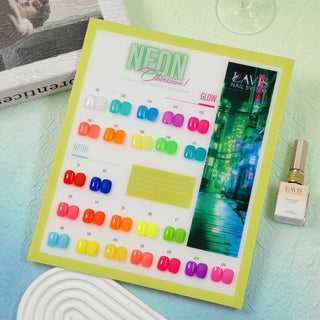
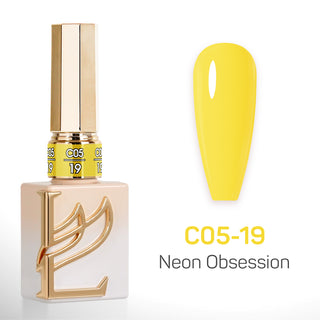
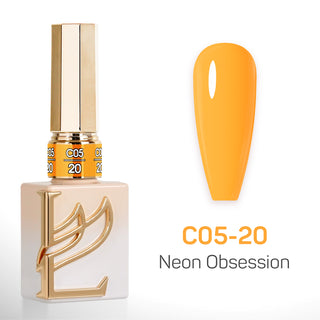
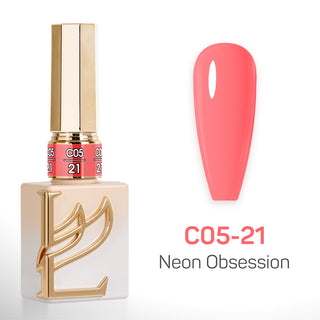
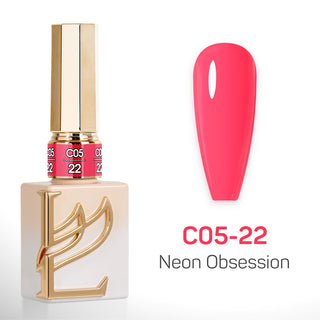
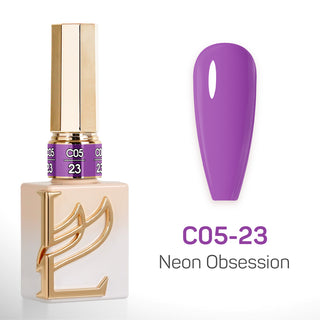
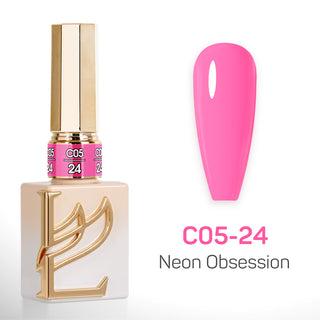
| C05 Neon Obsession | High-chroma brights for summer and events | Singles and a set |
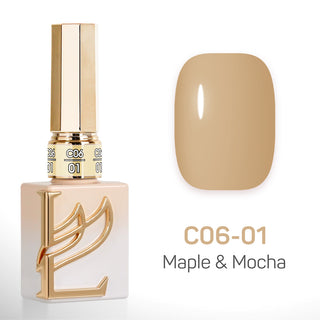
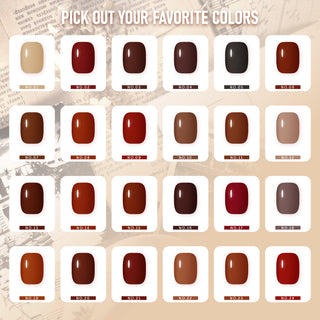
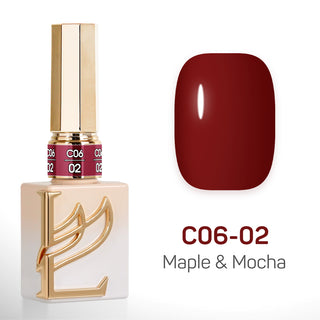
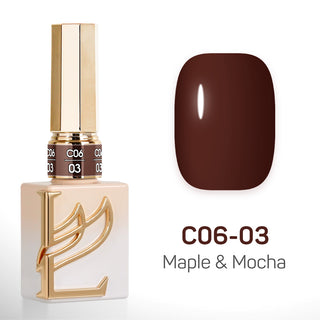
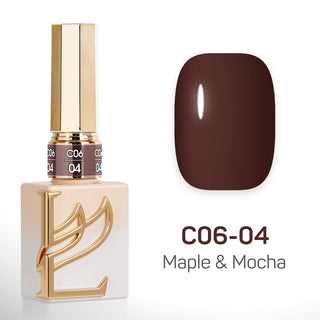
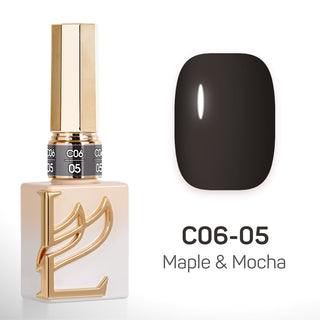
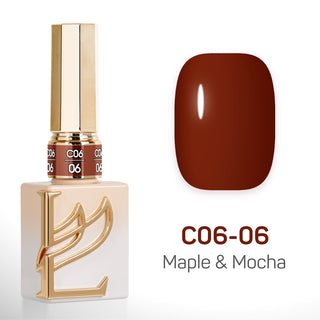
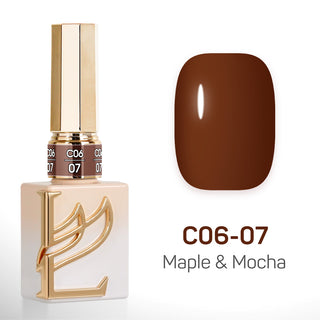
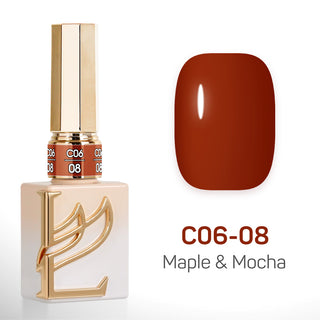
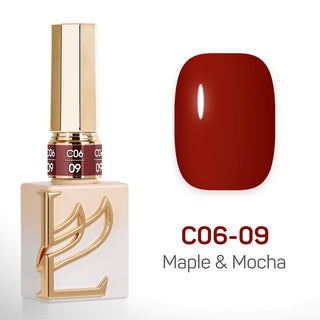
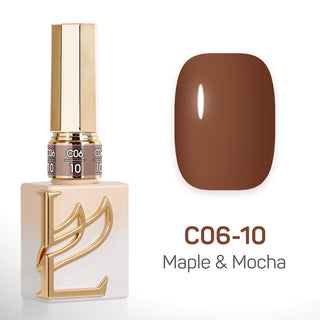
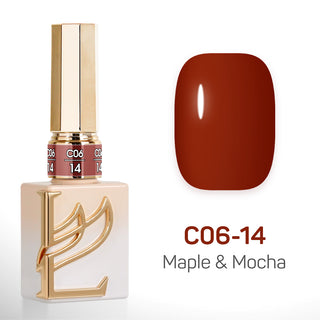
| C06 Maple and Mocha | Warm browns and autumn neutrals | Singles and a set |
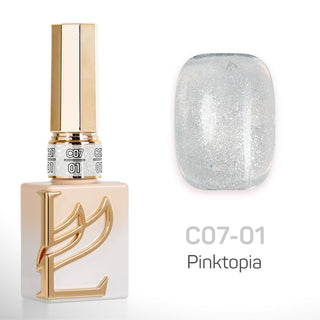
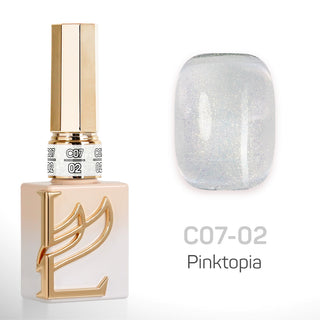
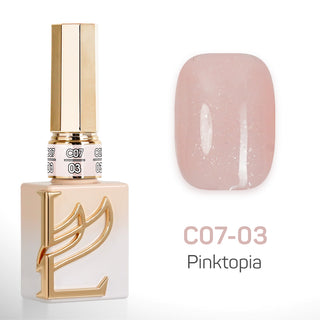
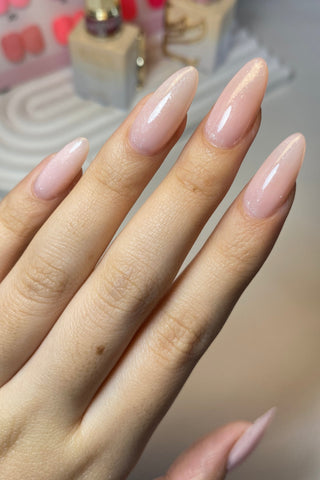
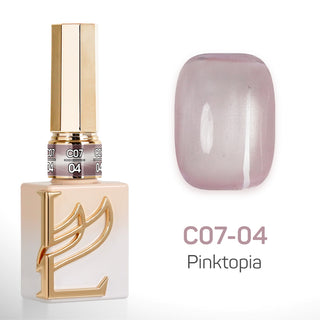
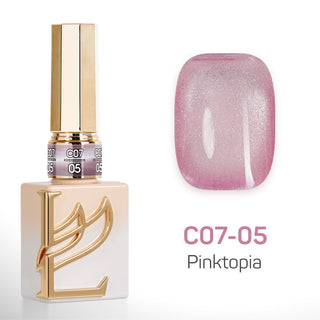
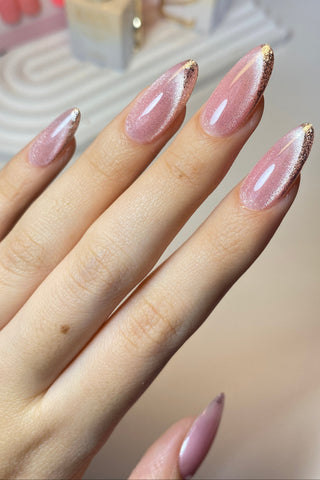
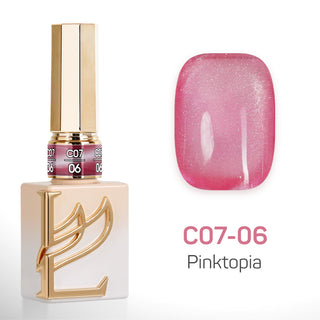
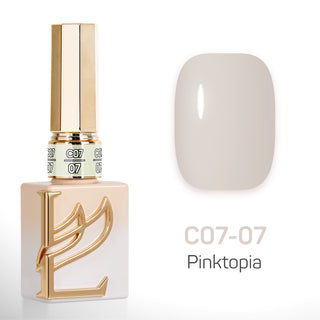
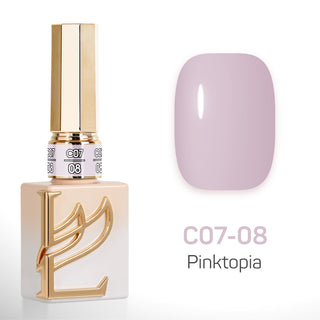
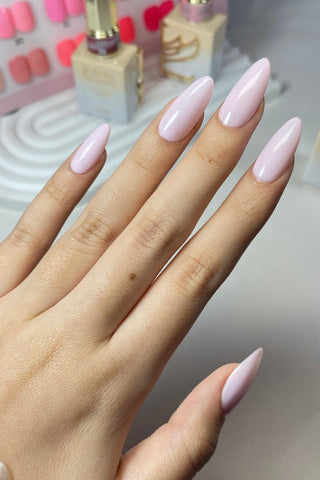
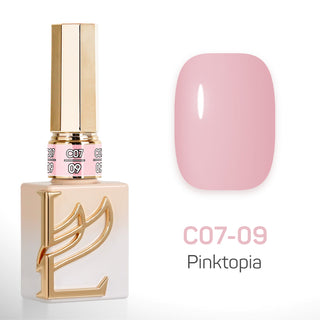
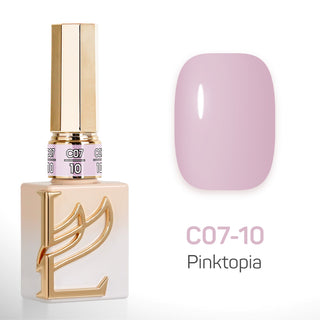
| C07 Pinktopia | A full range of pinks in one collection | Singles and a 24-colour set |
| C08 Glass Gala | Jelly and glass finishes, the most-copied look of recent seasons | Singles and a set |
| C17 Glossy Touch and LDS groups | High-shine and soft neutral ranges | Singles and sets |
What makes a collection a premium purchase
Not the bottle. What a salon is buying here is a group of shades developed together, which means they sit side by side on a display without clashing, they photograph as a range, and a client can be shown a story rather than a wall. That is what allows a salon to charge a premium for a service: the colour has a name, a family, and a reason to exist, and the tech can describe it in a sentence.
The second thing is the finish. Jelly, glass, pearl, and opal shades are built to be layered and to shift under different light, which is a service a salon can promote rather than a bottle it can sell. They also take more skill than a flat cream, so they support a higher price honestly rather than by labelling.
Jelly and glass finishes, and how to use them
- Build in layers. A jelly is translucent by design; two coats give a tint, four give depth, and the tech chooses where to stop.
- Layer over a base colour to change the result entirely: a jelly red over a nude reads different from the same jelly over white.
- Cap the free edge every coat, because a translucent shade shows a chipped edge sooner than a cream.
- Keep coats thin. A thick jelly layer cures unevenly and looks cloudy rather than glassy.
- Sell it as a look, not as a colour, which is where the premium sits.
Pearl, opal, and shifting finishes
Pearl and opal shades carry fine particles that change under different light, so they look one way in the salon and another in daylight or in a photograph. Two practical consequences. First, swatch them on a curved tip rather than a flat stick, because the shift only reads on a curve. Second, warn the client that the colour will look slightly different outside, which turns a potential complaint into a selling point. Over a white or pale base they read brighter, over a nude they read softer, and that choice belongs to the tech rather than to the bottle.
Buying a collection rather than singles
- Choose by the service it enables. A jelly collection supports a layering service, a pearl collection supports a wedding and occasion menu.
- Check what the salon already sells. A pink collection on a wall that is already half pink adds depth rather than range.
- Buy the set for a display, singles for a gap. A 24-colour set is a merchandising decision, not a restock.
- Swatch before the wall changes. Effect finishes must be swatched or they will not sell.
- Plan the promotion. A premium collection that goes on the shelf without a photograph or a menu line earns what an ordinary shade earns.
- Check the clearance flags. Seventy-two listings here carry the clearance tag, which means those shades are sold until gone and not reordered.
Clearance inside a premium page
Seventy-two of these listings are tagged clearance at ND, which means they sell at their regular wholesale price until the stock is gone and are not reordered. There is no markdown attached to the tag. On a premium page that matters more than usual: a collection built into a salon's menu and photographed for social media should be bought in the depth it will need, because a shade that a client books by name cannot be replaced with an approximation once it has sold through.
Where these shades earn their price
Three services. A layered jelly or glass set, which takes longer and looks like nothing a client can buy at a chemist. An occasion or bridal set built from the pearl and neutral collections, which is booked weeks in advance and rarely negotiated on price. And an accent service, where a single pearl or reflective finger lifts an ordinary colour set for a few minutes of extra work. All three are easier to sell from a display that shows the collection as a group rather than from a wall sorted by number.
Pricing a premium service without losing the client
A layered or effect service takes longer and should be priced as its own line rather than as a surcharge announced at the end. Two lines cover most salons: a standard gel manicure, and a signature or occasion service that uses the collections on this page. Naming it on the menu board, with a photograph, is what makes the higher price feel like a choice rather than an upsell, and it gives the tech a reason to show the collection rather than defaulting to the everyday wall.
The mistake that costs money is charging the standard price for a set that took twenty minutes longer. Clients accept a premium for a look they can see; they do not accept a surprise at the till. Where a salon is unsure, pricing the service five minutes short of what it actually takes and making up the difference in rebookings is safer than discounting it into the standard menu.
Sets, singles, and how to buy the page
Collections are listed both ways for a reason. A 24-colour set is a display decision: it arrives complete, it merchandises as a group, and it gives a salon a range to promote from day one. Singles are for depth and repair, when three shades of a collection carry the bookings and the rest sit still. The pattern that works for most salons is one set bought whole for the display, then singles of the two or three shades that clients ask for by name, which are also the ones to back up if they carry a clearance tag.
Storage and display
Gel cures in ambient light and thickens near heat, so a premium collection deserves better storage than a shelf in the window: out of daylight, away from the radiator, capped between clients, and with the necks wiped so the caps seat. Keep the collection together on the display rather than filing the shades into the general wall, because the grouping is what a client responds to, and repaint the swatches when they fade, since an effect finish that has dulled on a stick sells nothing.
Keeping a premium wall current
Collections date faster than everyday colour, because the client who books them follows what she sees online. A wall that holds four collections from three years ago reads as old stock even if every bottle is perfect, so a salon should plan to retire one group a year and bring in another, keeping the shades that clients still request as singles. The swatch sticks of a retired collection are worth keeping for a year so a returning client can still be matched, and the remaining bottles move to the accent shelf rather than being discounted in front of clients.
Wholesale pricing at ND Nails Supply
Every bottle and set on this page ships at wholesale pricing for everyone, with no business license, no minimum order, and no membership fee. Clearance-tagged shades sell at their regular wholesale price until the stock is gone and are not reordered. Free shipping on orders $100+, and in-stock bottles ordered before 2pm PT on weekdays leave the same day.