





















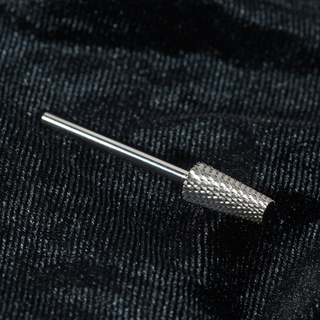


Frequently asked questions about drill bits
Which sanding band grit should I use?
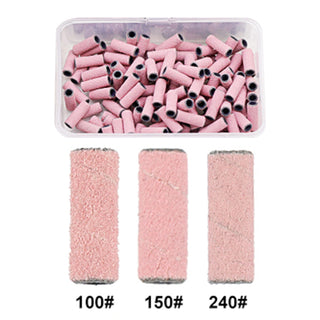
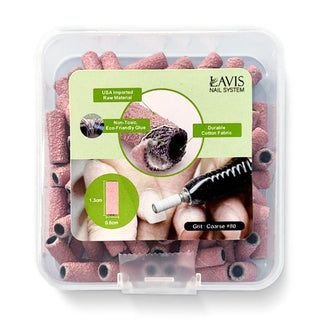
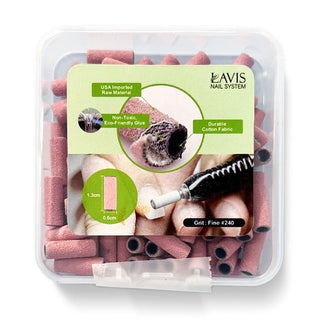
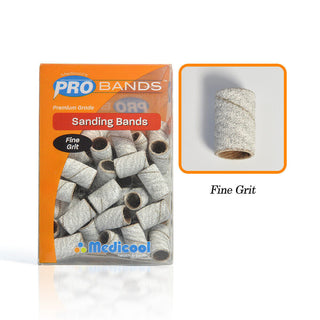
80 grit (coarse) for removing bulk acrylic or thick gel and shaping extensions, never on the natural nail. 150 grit (medium) for everyday refining and fill lines. 240 grit (fine) for final smoothing before top coat and for light work on the natural nail at low speed. Bands are single-client consumables: slide a fresh Lavis or Medicool band onto the mandrel for each client and discard the used one.
Do these bits fit my nail drill?
Yes, if the handpiece takes the industry-standard 3/32 inch shank, which covers the KUPA, Medicool, LAVIS, and cordless drills ND sells. The sanding mandrel (#67 Lavis 3 mm) is the same shank size and takes the standard sanding bands. Check the handpiece manual if the drill came from another supplier.
What is the difference between prep, refine, and removal bits?
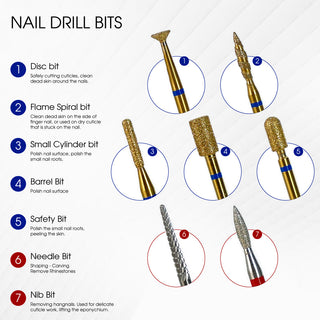
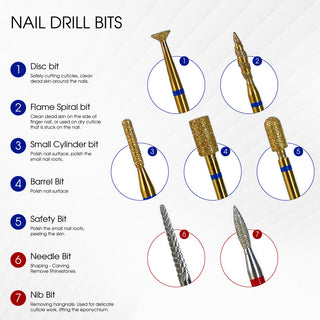
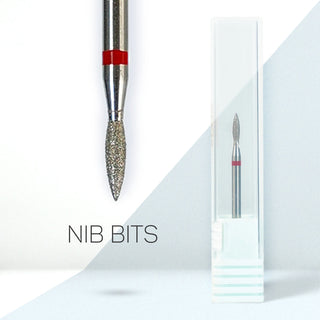
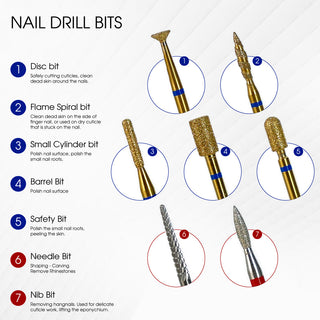
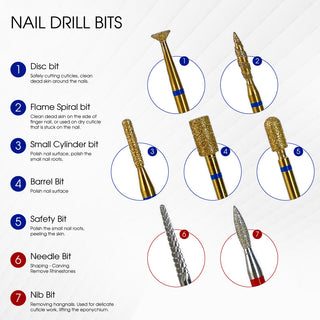
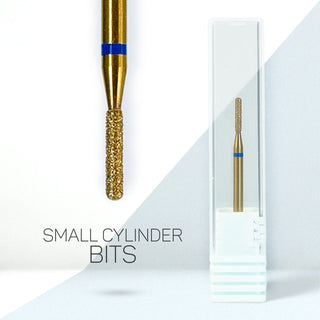
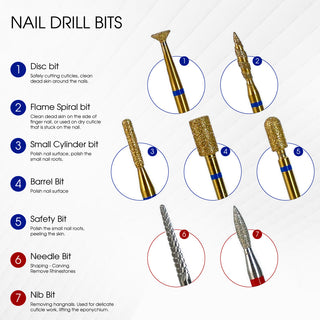
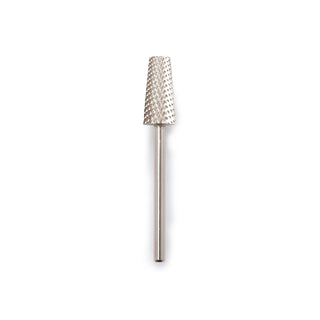
Prep bits (#87 Diamond Spiral, #48 Diamond Cuticle Ball, #94 Cuticle Clean, #90 and #95 Safety, #50 and #51 under-nail cleaner) lift and clear dead skin at the cuticle and sidewalls at 4,000 to 7,000 RPM. Refine bits (#25 Large Tapered Barrel, #91 Barrel, #88 Small Cylinder, #89 Nib, #93 Needle) shape gel and acrylic near the cuticle and thin the apex. Removal bits (#31 Carbide 5-in-1, tornado, volcano, ceramic) take product off fast at 25,000 to 35,000 RPM with less heat.
Which kit should a new tech buy?
The 5-Piece Versatile Pro kit if the station switches between natural nails, gel, and structure manicures: it pairs #87 Diamond Spiral and the #48 cuticle ball for prep, #25 Large Tapered Barrel for refining, #31 Carbide 5-in-1 for removal, and the #67 sanding mandrel for buffing. Gel-only stations can start with the 3-Piece Essentials kit; acrylic-heavy stations take the 6-Piece Advanced Artist kit plus 80-grit bands. Start any new tech on the safety bit at the cuticle.
How do I clean drill bits between clients, and is this wholesale?
Brush the bit clean, soak it in a hospital-grade disinfectant for the labeled contact time, rinse, and dry; carbide and diamond bits take this daily, sanding bands are thrown away. Replace a bit once it heats the nail or polishes instead of cutting. Every bit, band, and kit at ND Nails Supply is wholesale-priced for everyone with no business license or minimum order, orders $100+ ship free, and in-stock items ordered before 2pm PT on weekdays leave the same day.
Drill bits and sanding bands, sorted by the job
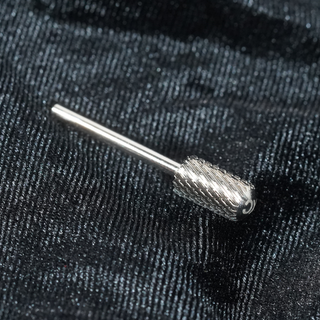
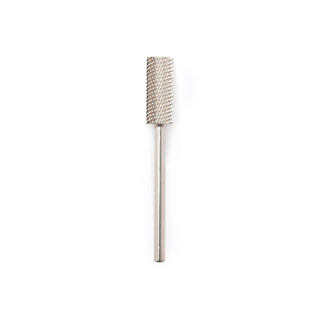
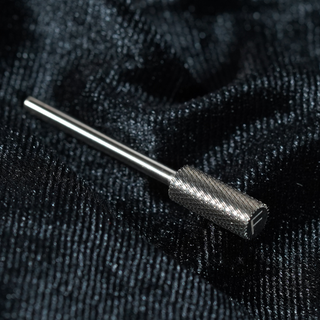
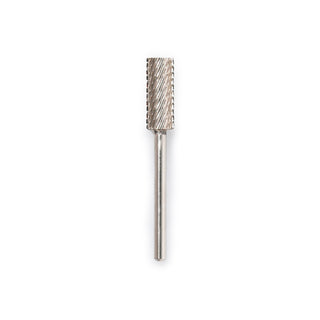
An e-file is only as useful as the bit in it. ND Nails Supply stocks more than 100 nail drill bits and sanding bands at wholesale, all on the industry-standard 3/32 inch shank that fits KUPA, Medicool, LAVIS, and the other handpieces ND sells, and the page is organized the way a tech works: prep bits for the cuticle area, refine bits for shaping gel and acrylic, removal bits for taking product off fast, sanding bands and mandrels for buffing, and kits that put one of each in a single order.
What is on this page
| Group | Examples | What it does |
|---|---|---|
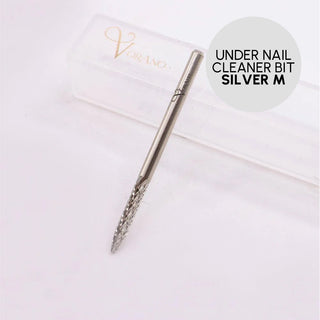
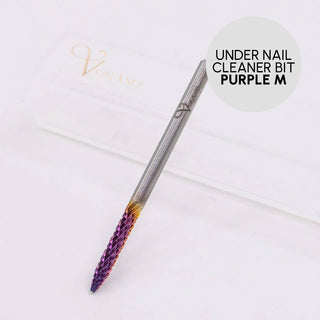
| Prep bits | #87 Diamond Spiral, #48 Diamond Cuticle Ball 3 mm, #94 Cuticle Clean Bit-M, #95 Safety Bit, #50 and #51 Cuticle Under Nail Cleaner | Lift and clear dead skin at the cuticle and sidewalls, clean under the free edge, refine the nail surface before gel or polish |
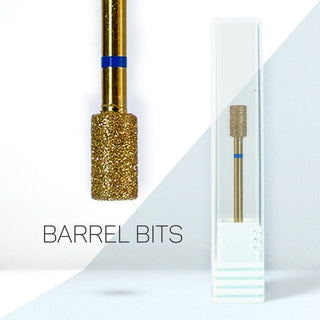
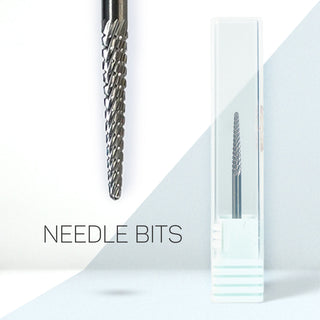
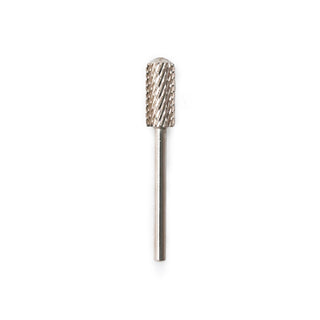
| Refine bits | #25 Large Tapered Barrel M, #91 Barrel, #88 Small Cylinder, #89 Nib, #93 Needle, small and large barrel smooth-top bits | Shape gel and acrylic near the cuticle and sidewalls, thin the apex, detail work |
| Removal bits | #31 Carbide 5-in-1, tornado and volcano bits, ceramic bits | Take off gel, dip, and acrylic quickly with less heat |
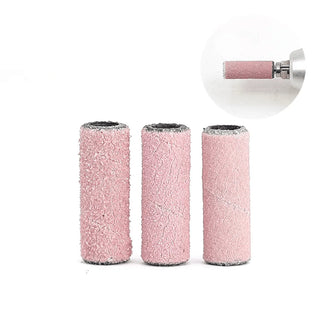
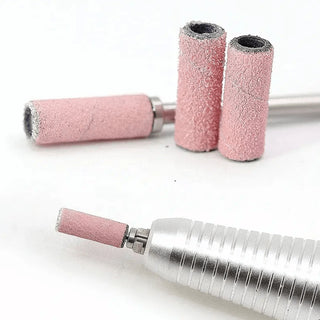
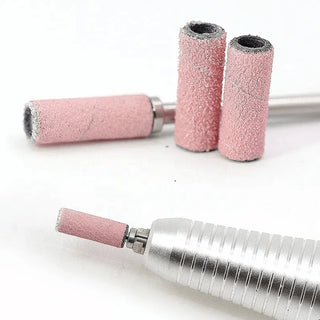
| Sanding bands and mandrels | Lavis pink sanding bands in 80, 150, and 240 grit, #67 Lavis 3 mm small sanding mandrel, Medicool coarse white-grit bands by the box of 100 | Buffing, smoothing, and the disposable option for hygiene between clients |
| Kits | 3-Piece Essentials, 4-Piece Everyday Nail Tech, 5-Piece Versatile Pro, 6-Piece Advanced Artist | One bit per job, chosen to work together |
Which sanding band grit for which job?
- 80 grit (coarse): removing bulk acrylic or thick gel, shaping a sculpted extension. Not for the natural nail.
- 150 grit (medium): the everyday band for refining enhancements and knocking down a fill line.
- 240 grit (fine): final smoothing before top coat, and the only grit that should touch a natural nail, lightly, at low speed.
Sanding bands are single-client consumables: slide a new band onto the mandrel for each client and throw the used one away. The Medicool box of 100 is the salon reorder; the Lavis pink bands come by the grit for a tech who wants one of each at the station.
Specs comparison: shape, material, and coarseness by job
| Bit | Material | Coarseness run | Shank | Job |
|---|---|---|---|---|
| Small and Large Barrel Smooth Top Safety Bit (#01 to #10) | Carbide | F, M, C, XC, 2XC | 3/32" | Bulk removal and surface work with a rounded top that will not dig at the cuticle |
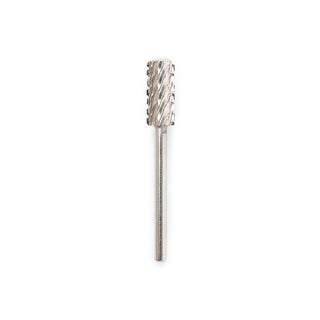
| Small and Large Barrel Flat Top (#11 to #20) | Carbide | F, M, C, XC, 2XC | 3/32" | Backfills and flat surface reduction; the square edge cuts a clean fill line |
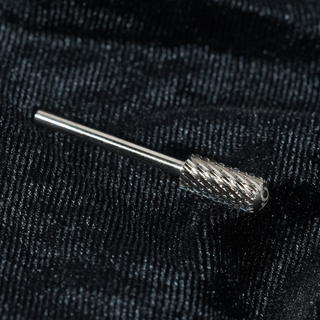
| Tapered Barrel (#21 to #28, #85, #86) | Carbide | F to 2XC | 3/32" | Shaping under the free edge and along the sidewall |
| 5in1 (#29 to #37) and Super Long 5in1 (#77 to #83) | Carbide, silver, purple, or multicolor coating | F, M, C, XC, 2XC, plus Pro XC+3XF and 2XC+3XF | 3/32" | One bit for cuticle, sidewall, surface, and free edge; the long version for the whole nail in one pass |
| Turnado (#38 to #41) and Volcano (#42 to #45) | Carbide | M, C, XC, 2XC | 3/32" | Fast product removal with a spiral or flame cut that clears dust as it goes |
| Conical (#46, #47) and Flame | Carbide or ceramic | M; F, M, C | 3/32" | Cuticle area and under the sidewall |
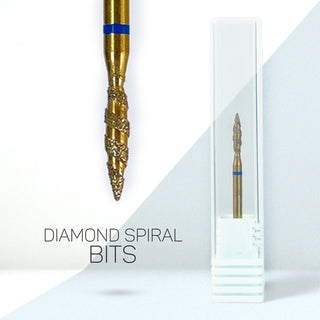
| Diamond Cuticle Ball (#48, #49), Diamond Spiral (#87), Diamond Barrel (#68, #69) | Diamond | 3 mm and 3.5 mm ball; fixed grit | 3/32" | Cuticle cleaning and gentle prep on the natural nail |
| Ceramic 5in1, Barrel, Flame (#52 to #63), Ceramic Under Nail Cleaner (#64) | Ceramic | F, M, C | 3/32" | Cooler removal on heat-sensitive clients; the same shapes as the carbide line |
| Dust Proof Bit (#71 to #76) | Carbide | F, M, Coarse, X, 2X, 3X-Coarse | 3/32" | Removal with less dust thrown at the tech |
| Sanding bands (LAVIS #80, #150, #240; Medicool boxes of 100) on mandrels (#65 to #67) | Abrasive paper | 80 coarse, 150 medium, 240 fine | 3/32" mandrel | Single-client removal, refining, and final smoothing |
| Kits: 3-Piece Essentials, 4-Piece Everyday, 5-Piece Versatile Pro, 6-Piece Advanced Artist | Mixed | A spread of grits | 3/32" | Opening a station in one order |
Every bit on the page is a 3/32-inch shank, the standard chuck size on the KUPA, Medicool, LAVIS, LDS, and generic drills ND sells, so any bit here fits any drill on the nail drill page. The coarseness letters run from F (fine) through M (medium), C (coarse), XC (extra coarse), 2XC, and up to 3XC on the dust-proof line; the higher the letter grade, the more product comes off per pass and the more heat the bit makes.
Coarseness scale, from prep to removal


Bit compatibility with the drills on the nail drill page
All of the KUPA Passport, Medicool Pro Power, LAVIS, LDS, Kiara Sky, and generic cordless drills ND sells take the 3/32-inch shank, so a bit box bought here fits every station in the salon and moves between them. The only variables are the chuck type (twist-lock on most handpieces, a collet on some) and the top speed: the ceramic and carbide barrels are the bits for the high-RPM removal work, while a sanding band on a mandrel is run at the lower end of the range because the paper heats faster than a carbide flute. A salon that runs a 20,000 RPM Medicool for gel prep and a 35,000 RPM LAVIS for acrylic keeps two trays: the diamond and F-grade bits with the slow drill, the C to 2XC barrels and the dust-proof bits with the fast one.
Troubleshooting: what the nail is telling you
| Symptom | Likely cause | Fix |
|---|---|---|
| Client feels heat | Pressure on the bit, a dull or clogged bit, or too coarse a grade for the job | Lift, let the speed cut, swap to a fresh or finer bit; on a sensitive client move to ceramic |
| Rings or grooves in the surface | Bit held in one place | Light sweeping passes; finish with an M or F barrel |
| Bit bounces or chatters | Bent shank, or a bit not seated in the chuck | Reseat and tighten; retire a bit that still runs out of true |
| Fine dust cloud at the tech's face | Coarse bit at high speed with no collector | A Dust Proof bit, a lower speed, and the dust collector beside the lamp |
| Bit stops cutting | Clogged flutes | Brush the bit clean, soak in the disinfectant, and dry fully before the next client |
| Nicks at the cuticle | A flat-top or coarse bit used where a safety bit belongs | Use the Smooth Top Safety or the #90 and #95 safety bits at the cuticle, at prep speed |
How to pick a bit set for a new station
- Natural nail and gel manicures only: the 3-Piece Essentials kit (Minimal but Mighty) plus 240-grit bands. Three bits cover prep, refining, and buffing for a gel service.
- Gel, structure manicures, and fills: the 5-Piece Versatile Pro kit: #87 Diamond Spiral and #48 cuticle ball for prep, #25 Large Tapered Barrel for refining, #31 Carbide 5-in-1 for removal, and the #67 sanding mandrel for buffing.
- Acrylic and heavy removal: the 6-Piece Advanced Artist kit, plus a ceramic or tornado bit for removal without heat build-up, and 80-grit bands.
- Pedicure station: a smooth-top barrel for callus work and the #50 or #51 under-nail cleaner.
Speed, direction, and pressure
- Match RPM to the bit and the job. Cuticle prep 4,000 to 7,000 RPM, gel removal 8,000 to 15,000, acrylic shaping 15,000 to 25,000, heavy removal 25,000 to 35,000. Never run a prep bit at removal speed.
- Forward for right-hand work, reverse for left. Most handpieces switch; the bit cuts on the same side either way.
- No downward pressure. The bit cuts on speed, not force. Pressure builds heat, and heat is what the client feels as burning. If a bit stops cutting, it is dull or clogged: swap it, do not press.
- Keep the bit moving. Light sweeping passes; a bit held in one place for two seconds leaves a ring.
- Check every 30 seconds. Stop if the client feels heat.
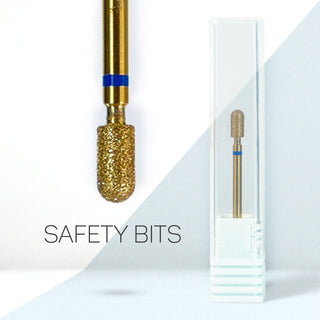
Pro tip: the safety bits (#90 and #95) are shaped for controlled cuticle work that refines the sidewalls without damaging the natural nail or the skin. They are the first bits a new tech should run at the cuticle, before graduating to the diamond spiral.
Carbide, diamond, or ceramic: which bit material?
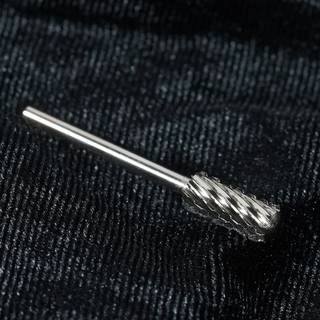
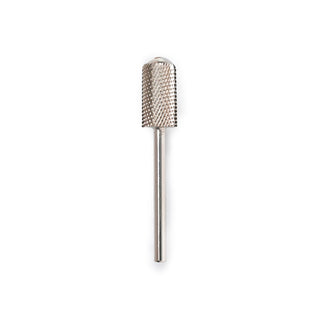
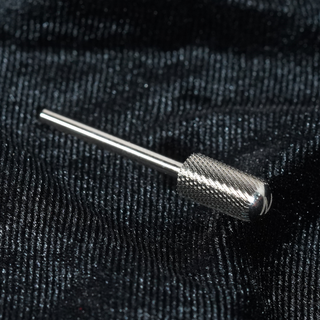
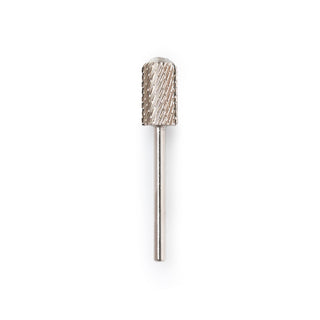
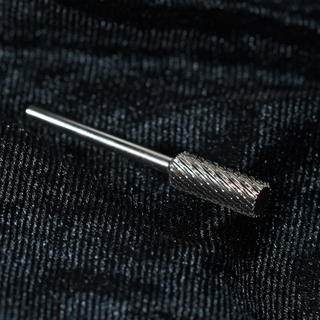
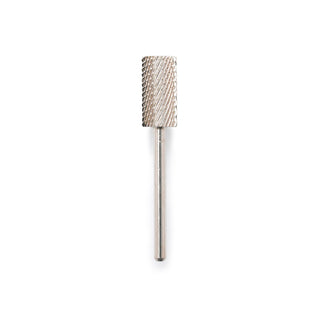
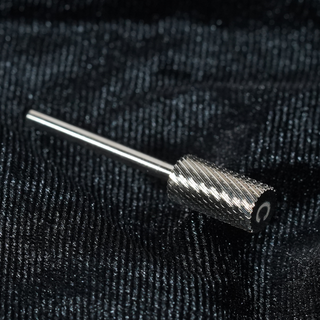
Diamond bits (the #87 spiral, the #48 cuticle ball) are coated with grit rather than cut with flutes, so they abrade gently and are the prep bits for skin and the natural nail. Carbide bits (the #31 5-in-1, the barrels and cylinders) have machined flutes that shave product off quickly; they are the refine and removal bits for gel and acrylic and are not for the natural nail. Ceramic bits cut like carbide but run cooler because ceramic does not conduct heat into the nail the way metal does, which is why removal-heavy techs and clients who feel heat easily prefer them. Tornado and volcano bits are carbide bits with a coarser, spiral flute for the fastest bulk removal. Sanding bands are the disposable option: paper grit on a mandrel, one band per client.
Cleaning and sterilizing bits
- Between clients: brush the bit clean, soak it in a hospital-grade disinfectant for the labeled contact time, rinse, and dry. Carbide and diamond bits handle this daily; sanding bands are thrown away.
- Weekly: check bits for wear. A dull carbide bit heats the nail; a diamond bit with worn grit polishes instead of cutting. Replace rather than push.
- Store bits in a stand, not loose, so the cutting edges do not knock together.
Wholesale pricing at ND Nails Supply
Every bit, band, and kit ships at wholesale pricing for everyone, with no business license, no minimum order, and no membership fee. The kits and the box of 100 bands are the working size for a busy salon. Free shipping on orders $100+, and in-stock items ordered before 2pm PT on weekdays leave the same day.