
Frequently asked questions
What is the difference between a standard base and a rubber base?
A standard base is a thin adhesion layer between the prepped plate and the colour. A rubber base is thicker and stays flexible after curing, so it levels ridges, adds a little structure, and moves with a nail that bends rather than cracking on top of it. Use the standard base for healthy natural nails and everyday colour, and the rubber base for clients who peel, split, or bend. A bonder or primer is a third thing again: prep, not base.
Should I use a wipe or a no-wipe top coat?
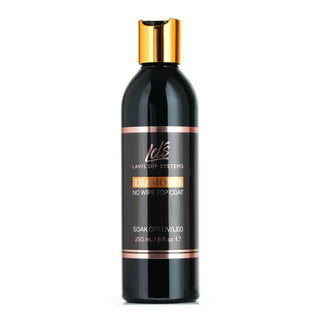
A traditional top cures with a tacky inhibition layer removed by cleanser and gives a very high gloss. A no-wipe top cures tack free, saves a step per client, and is the safer choice over chrome and shimmer effects, which a cleanser wipe would ruin. A matte top is a third bottle rather than an alternative: it turns any colour already on the wall into a second look, which is the cheapest way to widen a menu. Cap the free edge whichever is used.
Can I use one brand's base and top under another brand's colour?
Yes, and many salons do it deliberately. Base and top are the most interchangeable products in a gel system, and running a house pair under several colour lines removes the variable behind most complaints. Keep the base and top as a matched pair, since products designed together tend to have compatible cure times and flexibility, and follow the colour line's own instructions where a specific effect, such as some cat eye or chrome systems, calls for its own base.
When is an 8 oz refill worth buying?
Once the salon is certain which base and top it will keep using for the next year. A large bottle of a product the team turns out to dislike is money sitting in a cupboard. Base empties fastest of everything on the shelf, so it is usually the first refill worth taking. Decant into working bottles rather than dipping from the large one, keep the refill sealed and out of daylight, and date the working bottle so nobody is using gel that has been open for six months.
What is on the base and top gel page
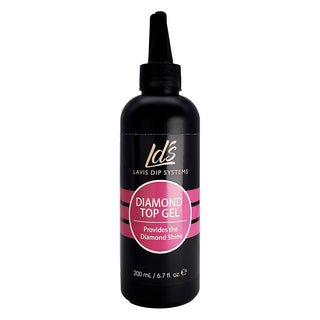
147 base and top gels at wholesale from a dozen lines: LAVIS with 42 listings, CND with 21, LDS and Kupa with 11 each, Gelish with nine, A'DOR, Kiara Sky, and SNS with seven each, OPI with six, DND and DND DC with five each, and Chaun Legend with five. Thirty-four are out of stock as this page was written. Sizes run from the 0.5 oz bottle at the station to 8 oz and 16 oz refills for a salon that goes through base faster than anything else on the shelf.
What each layer does
| Layer | Job | What goes wrong without it |
|---|---|---|
| Base gel | Bonds the colour to the prepped plate | Lifting at the cuticle and sidewalls within days |
| Rubber base | A thicker, flexible base that levels ridges and adds a little structure | Thin or peeling nails crack under a rigid layer |
| Top gel | Seals the colour and carries the shine | Dull finish, scratches, and colour wearing at the free edge |
| No-wipe top | Cures tack free, no cleanser needed | Nothing, except an extra step and a wipe |
| Matte top | A flat finish over any colour | A salon has to sell one look instead of two from a bottle |
Base and top decide more than the colour does
Clients judge a gel manicure on two things: whether it lifts and whether it still shines after two weeks. Neither is decided by the colour. The base decides adhesion and how the set grows out, the top decides gloss, scratch resistance, and whether the free edge survives a fortnight of daily use. That is why a salon that runs several colour lines should still standardise on one base and one top: it removes the variable that causes most complaints, and it means a tech can diagnose a problem instead of guessing.
Choosing a base
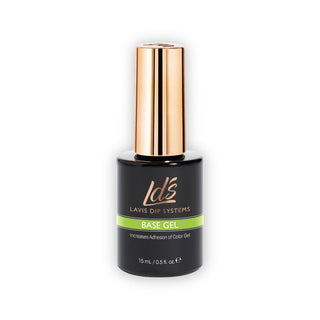
- Standard base for healthy natural nails and everyday colour work.
- Rubber base for clients who peel, split, or bend, and for levelling a ridged plate before colour.
- Bonder or primer alongside for the client who lifts no matter what; that is a prep product, not a base.
- One base across the salon, so every tech knows how thick to lay it and how it behaves in the lamp.
- Refill sizes once the choice is settled, since base empties faster than any top or colour.
Choosing a top
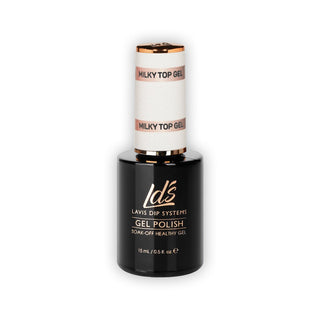
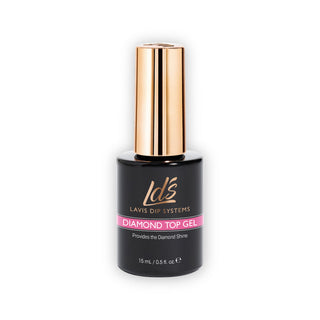
The practical decision is wipe or no-wipe. A traditional top cures with a tacky inhibition layer that is removed with cleanser, which gives a very high gloss and is what many techs are used to. A no-wipe top cures tack free and saves a step per client, which adds up across a day, and it is the safer choice over chrome and shimmer work where a cleanser wipe would ruin the effect. A matte top is a third bottle rather than a substitute: it turns any colour on the wall into a second look, which is the cheapest way to widen a menu.
Whatever the choice, cap the free edge with every layer. A top that stops short of the edge is where a two-week set becomes a one-week one.
A gel manicure, layer by layer
- Prep. Push back, break the shine across the whole plate including the sidewalls, dust, and dehydrate.
- Primer where needed. On the plate only, for clients who lift.
- Base. One thin coat, capping the free edge, cured fully.
- Colour. Two thin coats cured between; a third only for pale or sheer shades.
- Top. One even coat, capping the edge, cured; cleanse if the top leaves a tacky layer.
- Oil. Cuticle oil at the end, and the reminder that daily oil is what keeps the seal flexible.
Refills, and when they make sense
Several lines here list 8 oz and 16 oz refills alongside the 0.5 oz working bottle, and a few list a gallon. A refill is worth it once a salon knows which base and top it will keep using for the next year, and not before: a large bottle of a product the team turns out to dislike is money in a cupboard. Decant into working bottles rather than dipping from the large one, keep the refill sealed and out of daylight, and label the working bottle with the date it was filled so nobody works from a bottle that has been open for six months.
Where a gel set actually fails
In order: product touching the skin at the cuticle or sidewall, shine left on the plate because the buffer did not reach the edges, coats laid too thick to cure through, a free edge that was not capped, and a lamp whose output has dropped or whose interior is coated in cured residue. Only the last of those is a hardware problem and all five are cheaper to fix than a new brand of colour. A salon that standardises its base and top can work through that list in a single service and find the answer.
How long a gel manicure should last
Two to three weeks is the honest range for most clients, and the variables are the client's hands and the prep rather than the bottle. Someone who works in water, cleans without gloves, or uses her nails as tools will get less; someone who oils daily and treats the set gently will get more. A salon that promises a fixed number is setting itself up for a redo, where one that explains the range and sends the client home with oil gets the rebooking instead. Growth is the other half: a nail grows out visibly in two to three weeks whatever the product does, which is why the appointment cycle is set by the cuticle line rather than by wear.
Storage and bottle life
Gel cures in ambient light, so every bottle on the station should live out of direct daylight and away from the lamp when not in use, and the cap goes back on between clients rather than between appointments. Wipe the neck so the cap seats cleanly; a bottle that is hard to open is a bottle that will be left open. Heat thickens gel, so nothing belongs on a window sill or above a radiator, and a thickened base lays a heavier coat than the one the tech is used to, which is how a well-prepped set starts to lift for no obvious reason.
Matching across brands
Base and top are the most interchangeable products in a gel system: a top coat from one line will seal colour from another perfectly well, and many salons run a house base and top under several colour brands deliberately. What is worth keeping consistent is the pair itself, because a base and top designed together tend to have compatible cure times and flexibility. Where a colour line specifies its own base for a particular effect, such as some cat eye or chrome systems, follow the line rather than the house habit for that service.
Removal, and what it does to the plate
Most of the damage clients blame on gel happens at removal rather than during wear. The correct sequence is to file the shine off the top so acetone can reach the layers underneath, wrap with an acetone-soaked pad and foil for about ten minutes, then push the softened gel away with a wood stick and re-wrap anything that does not move. Scraping at gel that is still bonded takes plate with it, and a client whose nails feel thin after a removal will remember the product rather than the technique. A no-wipe or hard top coat is filed rather than soaked through, which is worth knowing before the timer is set, because a wrap left on a top coat that will not soak simply dries the skin for ten minutes and achieves nothing.
Booking removal as its own appointment slot, rather than squeezing it into the front of a colour change, is what keeps this from being rushed. It also lets a tech look at the natural nail and recommend a break or a treatment when one is needed, which is the conversation that keeps a long-term client rather than losing her to a competitor after a bad removal.
Wholesale pricing at ND Nails Supply
Every bottle on this page ships at wholesale pricing for everyone, with no business license, no minimum order, and no membership fee. Free shipping on orders $100+, and in-stock bottles ordered before 2pm PT on weekdays leave the same day.